Advertisement
Traditional foods that have medicinal properties
27th June, 2026 05:25 PM
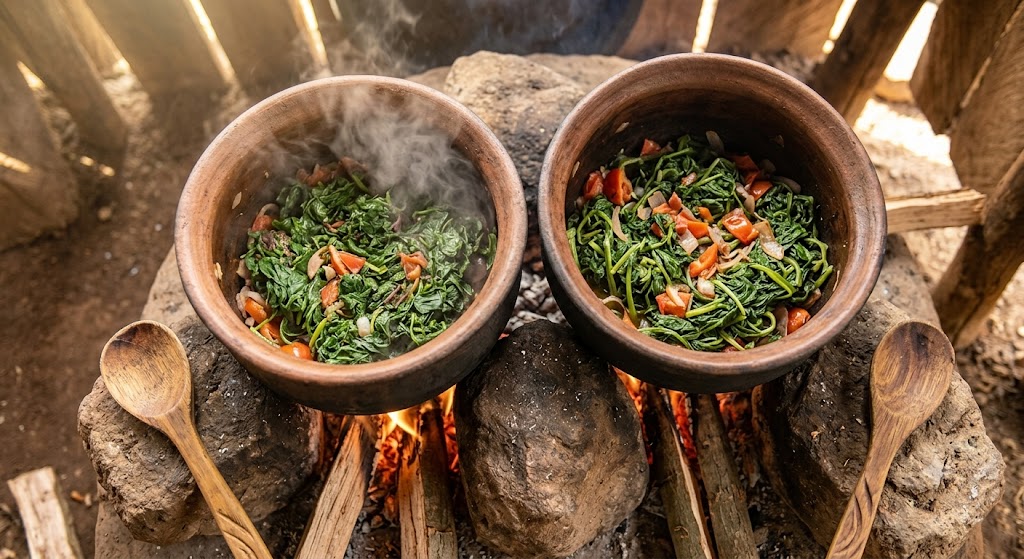
If you grew up in a Kenyan household, a plate of terere (amaranth) or murenda (spider plant) next to a hot portion of ugali was likely a regular feature on your dinner table.
For a long time, many people viewed these indigenous leafy vegetables simply as affordable, everyday meals. However, medical research is proving what our grandmothers knew all along: these local greens are actually powerful medicine.
Scientists are realising that traditional dietary practices hold a massive, untapped library of health solutions that modern pharmacy is only beginning to understand.
Why your favourite local vegetables double as medicine
These traditional vegetables do much more than just fill the stomach.
For generations, traditional healers used murenda to fight infections and help new mothers recover quickly after giving birth. Today, laboratory tests confirm that spider plant contains unique natural chemicals that give it strong antimicrobial properties, allowing it to fight off harmful bacteria.
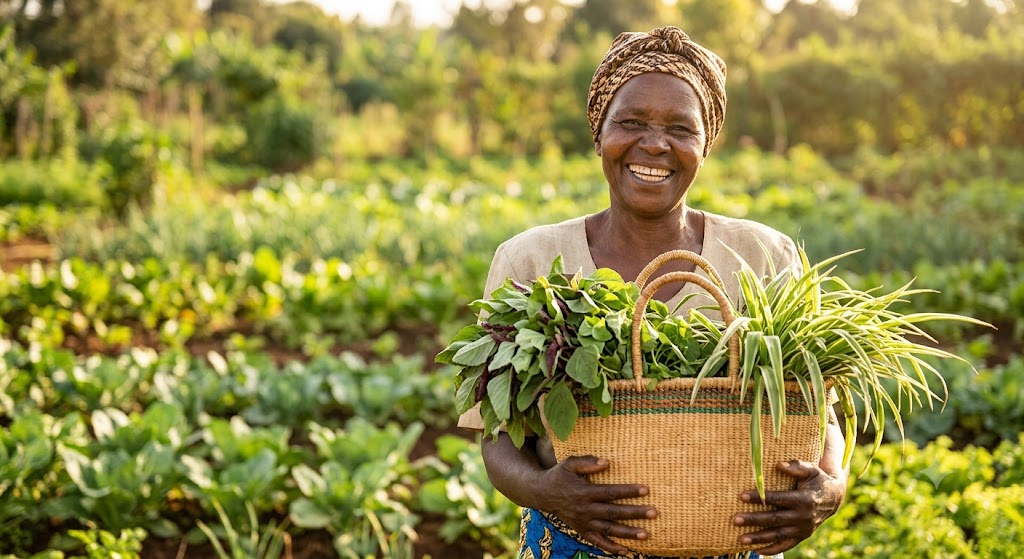
On the other hand, terere is packed with specific anti-inflammatory compounds that protect your body from cellular stress and swelling.
A peer-reviewed study supports these choices, stating that “spider plant and amaranthus are statistically significant (p<0.05) in contributing to good nutrition, healthy functioning of the body and immune boosting.”
Every spoonful of these local greens actively works to strengthen your immune system.
Reading the traditional Kenyan health library
This scientific backing goes beyond what you find at your local market. It also includes wild plants used in traditional healing, such as Momordica foetida, a wild African relative of the bitter melon.
For years, local communities have boiled this plant to manage blood sugar problems. Modern ethnobotanical studies have now validated its antidiabetic activity, showing it helps lower glucose levels effectively.
Global researchers are now paying close attention to this local wisdom. A research paper from Frontiers in Sustainable Food Systems notes that “Spider plant (Gynandropsis gynandra) contains dietary phytochemicals with high nutritional and medicinal properties that can contribute to healthy living.”
Instead of discarding traditional knowledge as outdated folklore, modern medicine is embracing it as a proven guide to everyday wellness.