Overripe or spoilt? How to tell if your fruit is still safe to eat
By Katemarthason Okudo, August 10, 2026A fruit that has become softer, darker or sweeter does not always mean it has gone bad. In many cases, these are simply signs that the fruit has ripened further and may still be perfectly good to eat.
This distinction is important, especially in households where fruits such as bananas, mangoes, avocados and pawpaws can quickly change from firm and fresh to very soft within a few days.
What happens when fruit becomes overripe?
Overripening is part of the natural ripening process. As fruit matures, enzymes break down some of its cell walls and starches, making it softer and often sweeter. This is why an overripe banana may have a soft texture and brown or black patches on its skin while the inside remains edible.
According to the US Food and Drug Administration (FDA), consumers should look at changes in appearance, texture, and condition when deciding whether produce is still suitable to eat. Damaged or bruised areas can be removed before eating, provided the rest of the fruit remains sound.
An overripe fruit may therefore be soft, slightly wrinkled or have a deeper colour without necessarily being spoilt.
Signs that fruit has gone bad
Spoilage is different from ordinary ripening. It happens when microorganisms such as mould, yeast or bacteria begin breaking down the food. A strong unpleasant smell, leaking liquid, slimy texture, extensive discolouration or visible mould are warning signs.
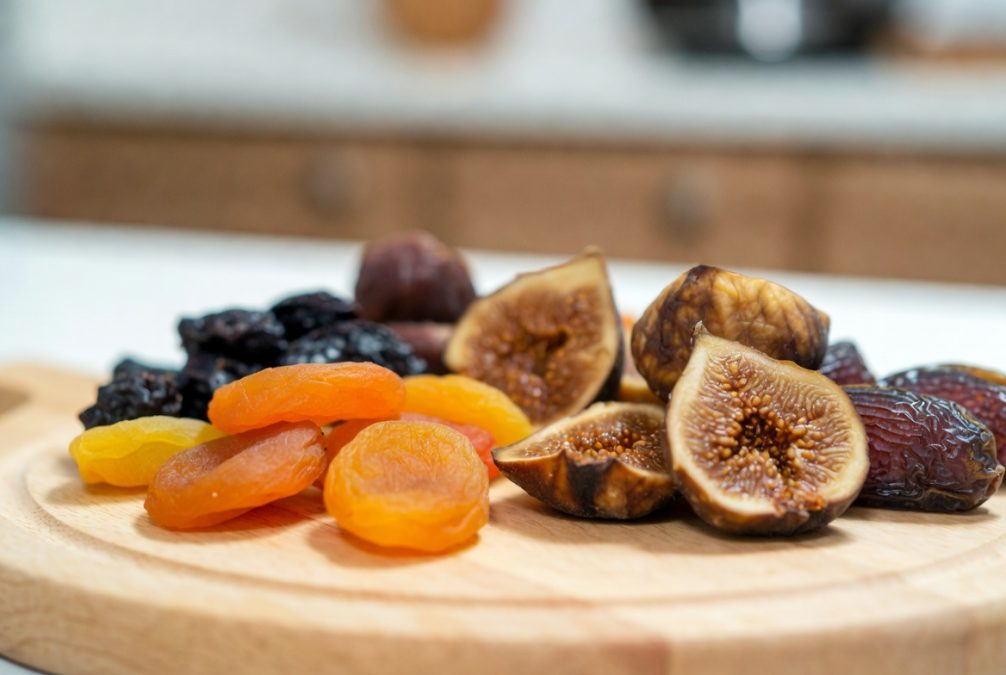
Foods that look rotten should be thrown away rather than eaten. It also advises consumers not to taste food that looks or smells unusual simply to determine whether it is still safe.
Mould is particularly important. While a small damaged section on some firm produce may sometimes be removed, soft fruits are different because mould can spread beneath the surface where it cannot easily be seen.
Fruits that are often good when overripe
Some fruits can become more useful in the kitchen as they become softer.
Bananas are among the best examples. When the skin develops brown spots and the flesh becomes softer and sweeter, they can be used in banana bread, pancakes, porridge, smoothies or muffins.
Mangoes can also be enjoyable when very ripe, provided they have no mould, unpleasant smell or signs of decay. Their softer flesh works well in smoothies, sauces and desserts.
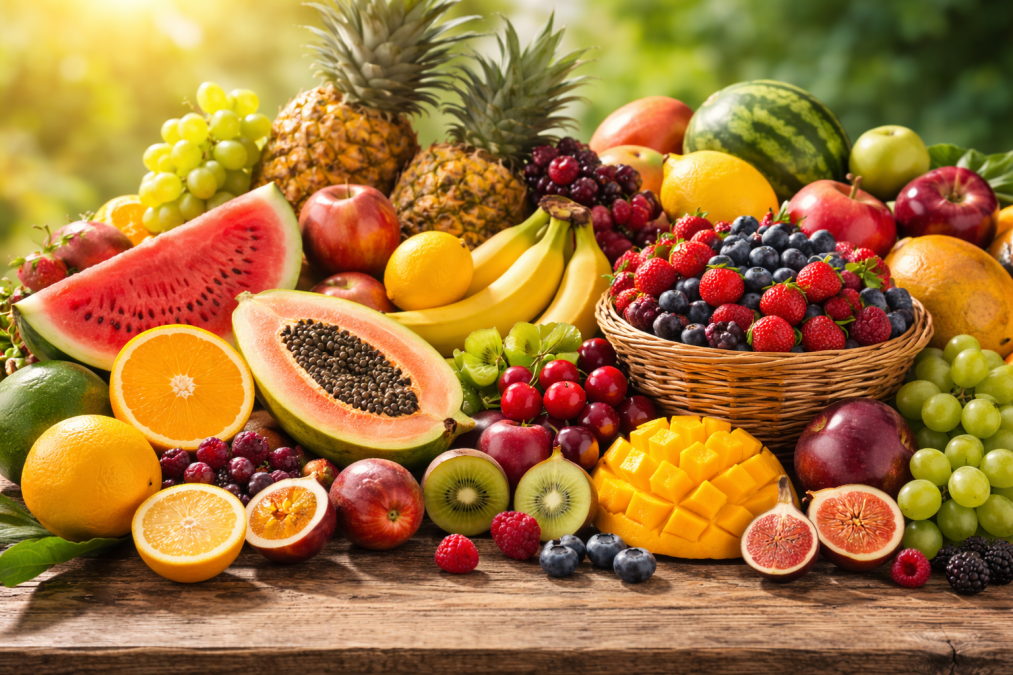
Avocados become softer as they ripen. A ripe avocado should give slightly when gently pressed. If the flesh has only a small amount of brown discolouration, the affected portion can be removed. However, extensive darkening, a bad smell, or mould is a reason to discard it.
Pawpaws, also known as papayas, can become sweeter and softer as they ripen. They can be eaten fresh or blended into smoothies as long as there are no signs of spoilage.
Pineapples and peaches may also become softer and sweeter as they mature, but they should be checked carefully for mould, leaking juice and fermented or unpleasant smells.
When it is better to throw fruit away
Not every soft fruit should be rescued. Strawberries, raspberries and other soft berries can deteriorate quickly because of their high moisture content. If mould is clearly visible, particularly across several areas, throwing the fruit away is safer than simply cutting off the affected section.
The USDA notes that fresh-cut produce can carry a greater food-safety risk because cutting removes the fruit’s protective outer layer and exposes moist flesh where microorganisms can multiply.
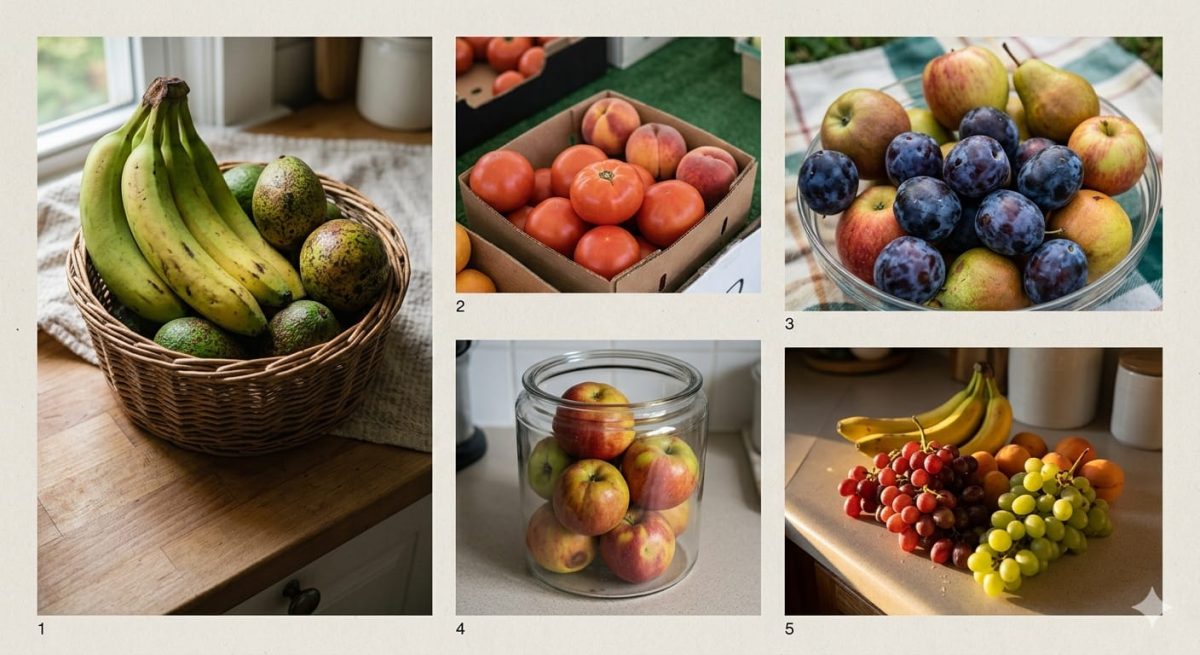
How to reduce fruit waste
Overripe fruit does not have to go straight into the bin. Bananas can be frozen for smoothies, soft mangoes can be blended into drinks, and ripe fruits can be cooked into sauces or added to baking.
The FDA also recommends finding creative ways to use fruits that are approaching the end of their best quality, including smoothies and other dishes, while still checking carefully for signs of spoilage.