Mayai vunjika, nyanya bondeka: Why Kenyans are embracing imperfect produce
By Dan Kauna, September 13, 2026In Kenyan open-air markets, traders often shout mayai vunjika, nyanya bondeka to clear out bruised or misshapen stock.
For years, shoppers walked right past those twisted carrots, bent cucumbers, and spotted tomatoes, searching for picture-perfect groceries. That trend is slowly shifting.
A growing push to cut down on food waste has buyers embracing imperfect produce, finding value in fruits and vegetables that look odd but taste just fine.
Why so much food never reaches the shelf
Cosmetic standards set by retailers and exporters are a big part of the problem.
Fruit and vegetables destined for supermarkets, especially those grown for export, are often sorted by size, shape and colour before they ever reach a shopper. Anything that falls outside those specifications gets set aside, even when it is perfectly safe and nutritious to eat.
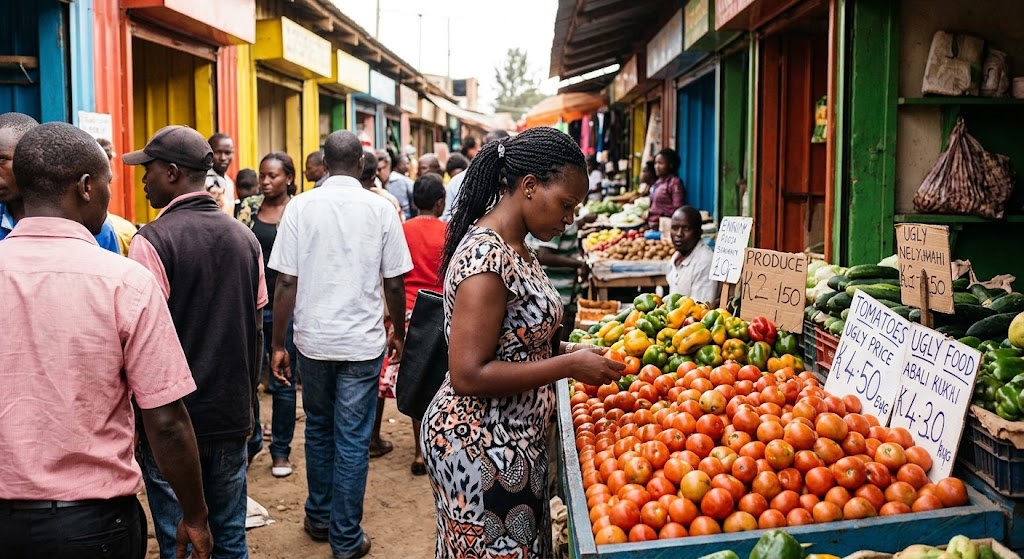
Researchers have been studying how to change that habit. A 2022 study published in the Journal of Retailing and Consumer Services found that shoppers were far more willing to buy imperfect carrots once retailers explained both the savings and the environmental benefit.
Without a market for these rejects, the study warns, “farmers rationally create waste” by abandoning the harvest once too much of the crop looks imperfect. In other words, when there is nowhere to sell the odd-looking crop, farmers simply leave it in the field.
What means for farmers and shoppers
Kenya has felt this problem firsthand. Farmers growing beans, peas and other vegetables for the export market have long lost a share of their harvest to cosmetic rejects, produce that never makes it past the packhouse despite being fit to eat.
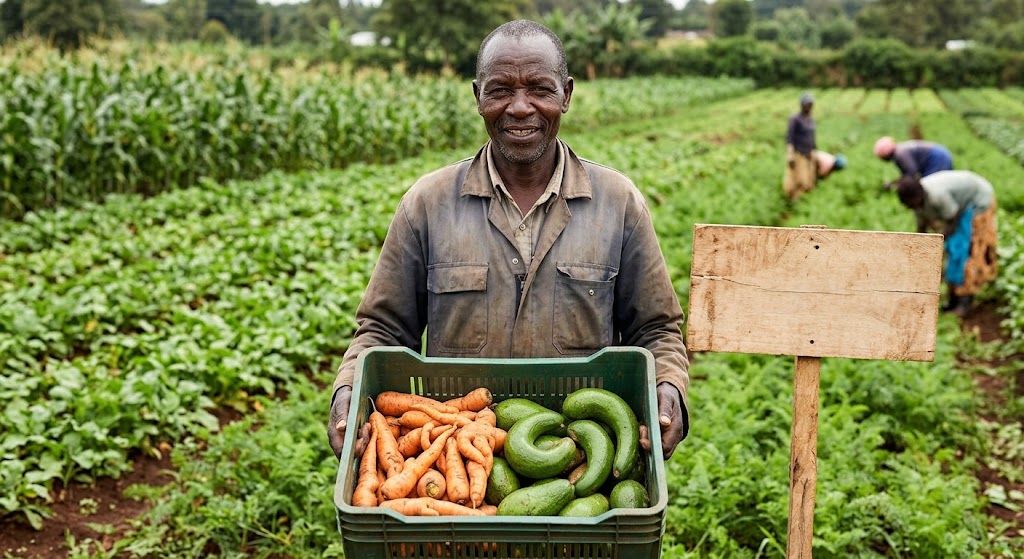
Some of it is donated or fed to livestock, but much still goes to waste.
For shoppers, buying “ugly” fruit and vegetables at a discount can mean real savings on the weekly food budget, while giving farmers a market for produce that would otherwise rot.
As food prices continue to strain household budgets, embracing a bruised mango or a bent courgette may be one of the simplest ways to save money and cut waste at the same time.