Least expected foods that can help boost iron in the body
By Katemarthason Okudo, July 8, 2026Iron is an important mineral that helps the body make haemoglobin, the part of red blood cells responsible for carrying oxygen. When the body does not have enough iron, a person may experience tiredness, weakness, headaches, dizziness and reduced concentration.
The World Health Organization notes that anaemia can develop when the body has too few healthy red blood cells or too little haemoglobin. Iron deficiency is one of the common causes, although infections, heavy menstrual bleeding, pregnancy and other health conditions can also contribute.
Food cannot replace medical treatment where it is needed, but a balanced diet can help support the body’s daily iron needs.
Red Meat
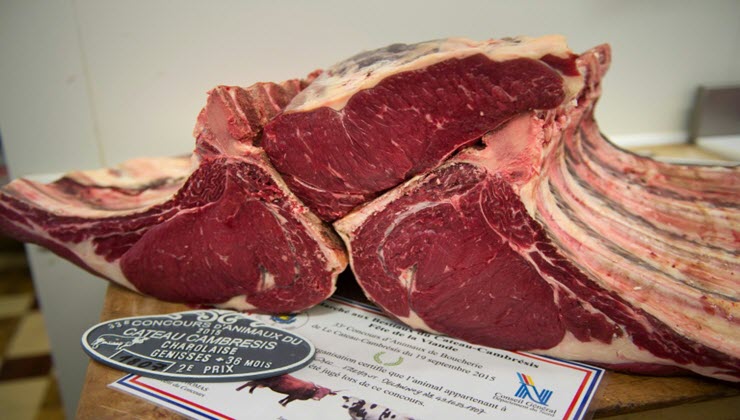
Beef, goat meat and mutton contain haem iron, a type of iron that the body absorbs more easily than plant-based iron. The National Institutes of Health Office of Dietary Supplements explains that iron from meat, poultry and seafood is generally absorbed more efficiently than iron found in plant foods.
Red meat also provides protein, zinc and vitamin B12, nutrients that support the production of healthy red blood cells. A serving of beef stew with ugali and vegetables can make a balanced meal, although red meat is best eaten in moderate portions as part of a varied diet.
Njahi
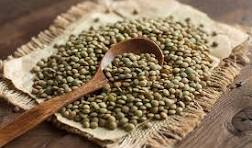
Njahi, also known as black beans, is a familiar traditional food in many Kenyan homes. It contains plant-based iron, protein and fibre, making it useful for people who eat little or no meat.
It can be cooked in a stew, served with chapati or mixed with maize to make githeri. Adding tomatoes or serving it with fresh fruit can help the body absorb more iron from the meal.
Green Grams
Green grams, commonly known as ndengu, are easy to find in Kenyan markets and are often prepared with rice, chapati or ugali. They provide iron, protein and fibre, helping to make meals more satisfying.
Ndengu can be cooked with tomatoes, onions and carrots, while a side of mango, orange or fresh tomato salad can add vitamin C to the meal.
Millet
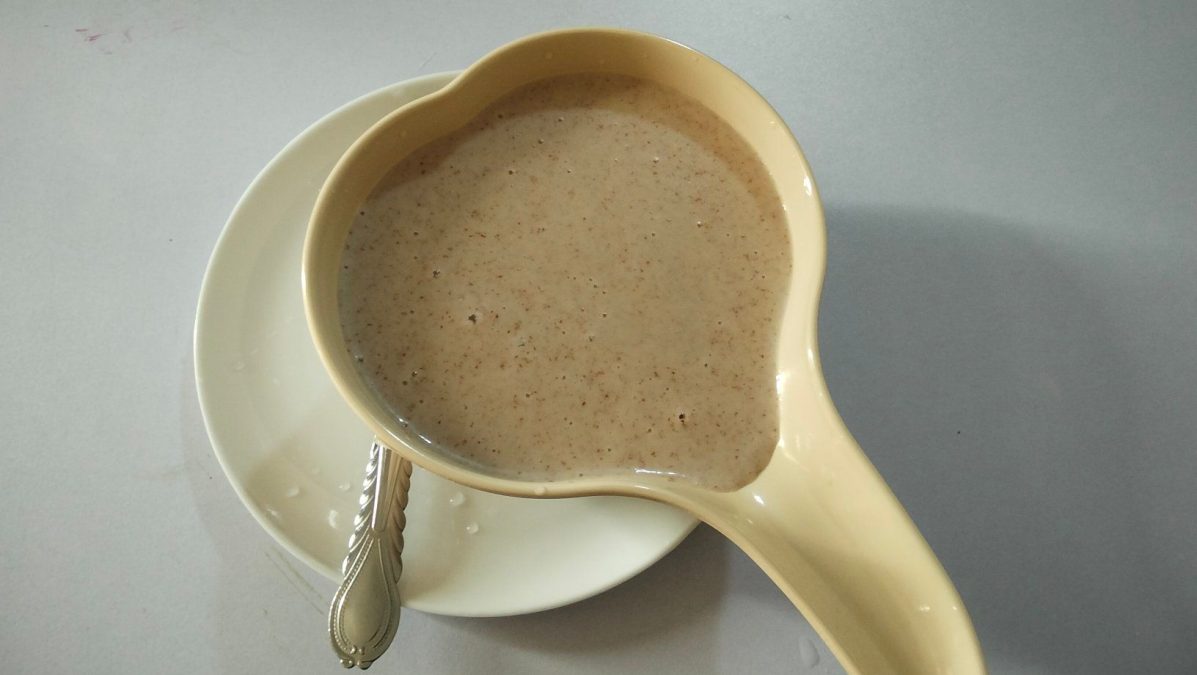
Millet is a traditional grain that can be used to make porridge, ugali or blended flour. It contains iron and fibre, making it a useful option for households looking to move beyond refined maize flour and processed breakfast cereals.
Millet porridge can be taken with groundnuts, milk or fruit. It can also be mixed with sorghum flour for a richer breakfast drink.
Groundnuts
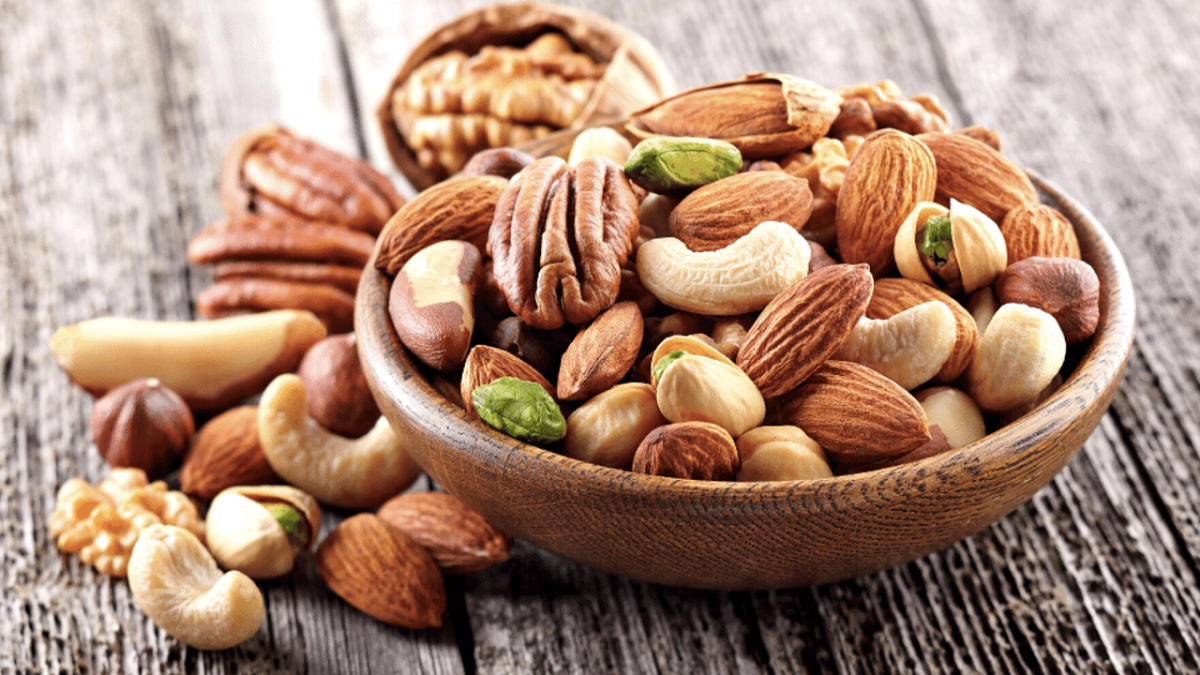
Groundnuts are widely available and can be eaten roasted, boiled or added to meals. They contain iron, protein and healthy fats, making them a useful snack or cooking ingredient.
In many homes, groundnuts are added to vegetables such as pumpkin leaves, managu and kunde. They can also be blended into porridge or eaten with bananas for a quick snack.
The National Institutes of Health advises that vitamin C can improve the absorption of iron from plant foods. Pairing njahi, ndengu, millet and vegetables with oranges, guavas, mangoes, lemons or tomatoes can therefore help the body make better use of the iron in the meal. Tea and coffee are best avoided immediately after iron-rich meals because they may reduce the amount of iron the body absorbs.
Persistent tiredness, dizziness, pale skin or shortness of breath should not be ignored. A visit to a health facility can help determine whether low iron or another health condition is causing the symptoms.