Kitchen myths people still believe
By Paulette Mboga, July 25, 2026Many kitchen tips have been passed down from one generation to another.
While some are helpful, others are based on old beliefs that are not always true. Following these myths can make cooking harder, waste food, or even affect the quality of your meals.
Here are three common kitchen myths that many people still believe.
1. Washing raw chicken makes it cleaner
Many people believe that washing raw chicken under running water removes bacteria and makes it safer to cook. This is one of the most common kitchen myths, but it is not true.
When you rinse raw chicken, the water can splash tiny droplets onto your sink, countertops, utensils, and nearby food. If those surfaces are not cleaned properly, bacteria can spread around your kitchen.
Washing the chicken does not remove harmful bacteria from the meat itself.
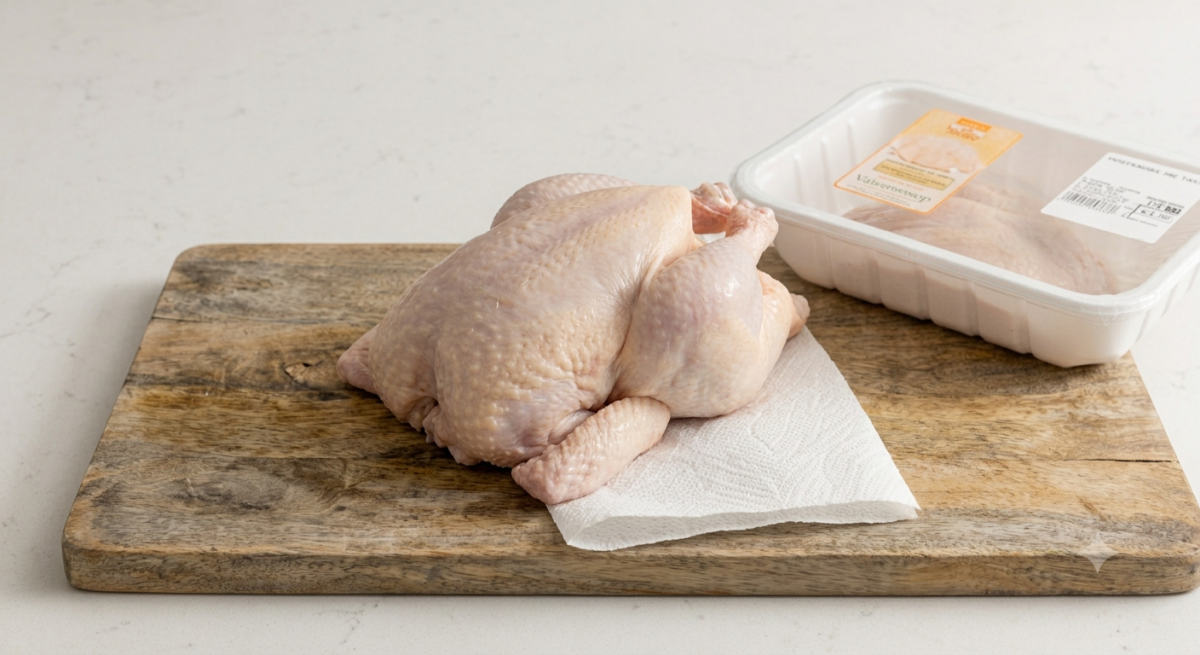
The safest way to prepare chicken is to cook it thoroughly at the right temperature. Heat kills harmful bacteria much more effectively than washing it with water. After handling raw chicken, wash your hands, knives, chopping boards, and any surfaces that came into contact with the meat.
2. You should always thaw frozen food on the kitchen counter
Leaving frozen meat or other foods on the kitchen counter to thaw is another practice that many people still believe is safe. While it may seem like the quickest option, it can increase the risk of bacteria growing on the food.
As the outside of the food warms to room temperature, bacteria can multiply even though the inside may still be frozen. This creates conditions that can make food unsafe if it stays out for too long.
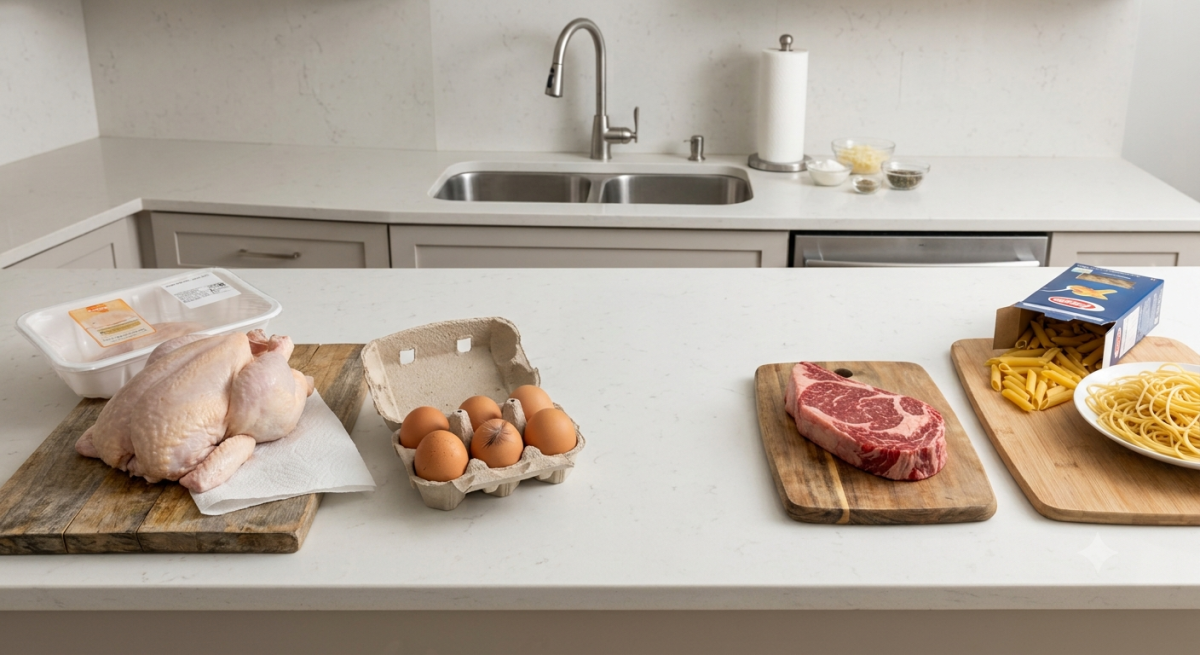
A safer option is to thaw food in the refrigerator, where it remains at a safe temperature throughout the process.
If you need to thaw food more quickly, you can use the microwave’s defrost setting or place the food in a sealed bag and submerge it in cold water, changing the water regularly until it is fully thawed.
3. Oil stops pasta from sticking together
Many home cooks add oil to boiling pasta because they believe it prevents the noodles from sticking together. While this tip has been shared for years, it does not work the way many people think.
The oil floats on top of the boiling water instead of mixing with it, so it has very little contact with the pasta as it cooks. Once the pasta is drained, the oil can coat the noodles, making it harder for sauces to stick properly.
The best way to keep pasta from sticking is to use plenty of water, stir it during the first few minutes of cooking, and avoid overcooking it. These simple steps help the pasta cook evenly while allowing your favourite sauce to cling to every bite.
Kitchen myths often sound convincing because they have been repeated for many years. However, understanding the facts can help you prepare food more safely and improve your cooking results.