How travel affects your gut microbiome, and what to eat to protect it
By Dan Kauna, July 15, 2026Whether boarding flights from city to city or heading abroad for studies, travelling is exciting.
But for many people, that excitement is quickly ruined by a sudden bout of traveller’s diarrhoea. This stomach problem affects up to 40 per cent of international travellers, turning a great trip into a desperate search for a nearby toilet.
Why changing locations upsets your stomach
When you travel to a new country, you also expose your body to entirely new bacterial populations through local food and water. Your gut microbiome, which is the community of microbes living in your digestive tract, is highly sensitive to these sudden changes.
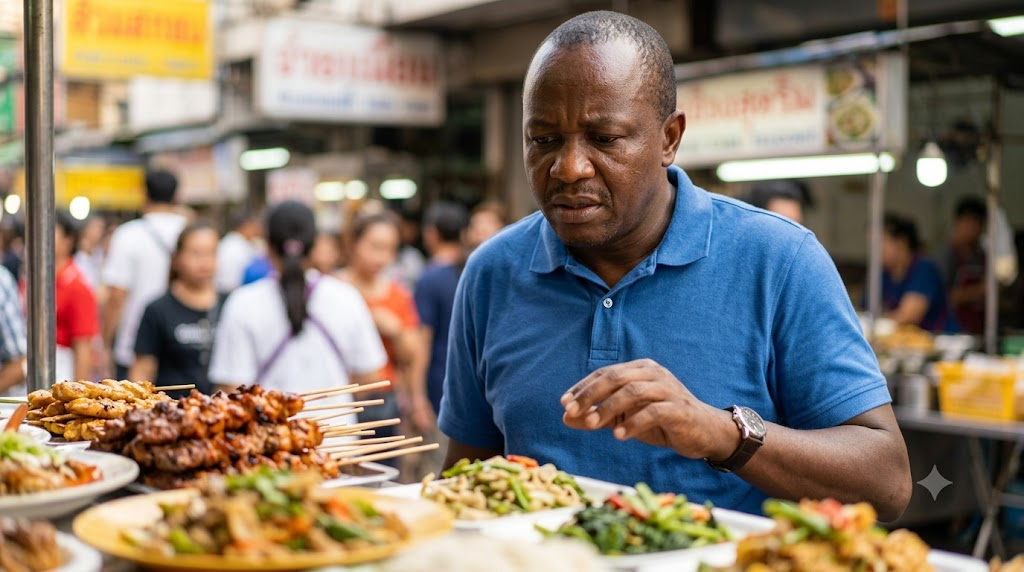
In a study published in December 2022, researchers tracked the gut flora of international travellers to see how they adapt. They found that “gut microbiome composition changed significantly throughout travel, but taxonomic diversity remained stable.”
This means your usual, friendly gut bacteria are suddenly forced to compete with unfamiliar foreign microbes. If these new bacteria take over before your native gut flora can adjust, you end up with diarrhoea.
Another study published in July 2024 showed that “travel significantly increased intra-individual gut microbiota fluctuations” even if the traveller did not feel sick right away.
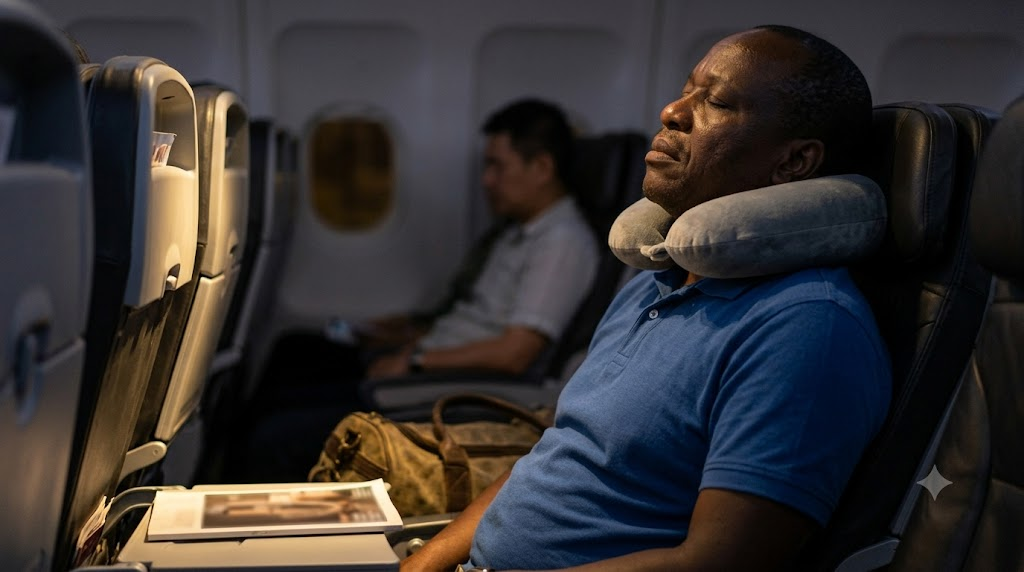
The physical stress of long flights and different sleeping patterns only makes your stomach more vulnerable.
Simple ways to protect your gut
Fortunately, you can prepare your digestive system before you pack your bags. The best way to protect your stomach is to build up your healthy gut bacteria with high-fibre and fermented foods weeks before you fly.
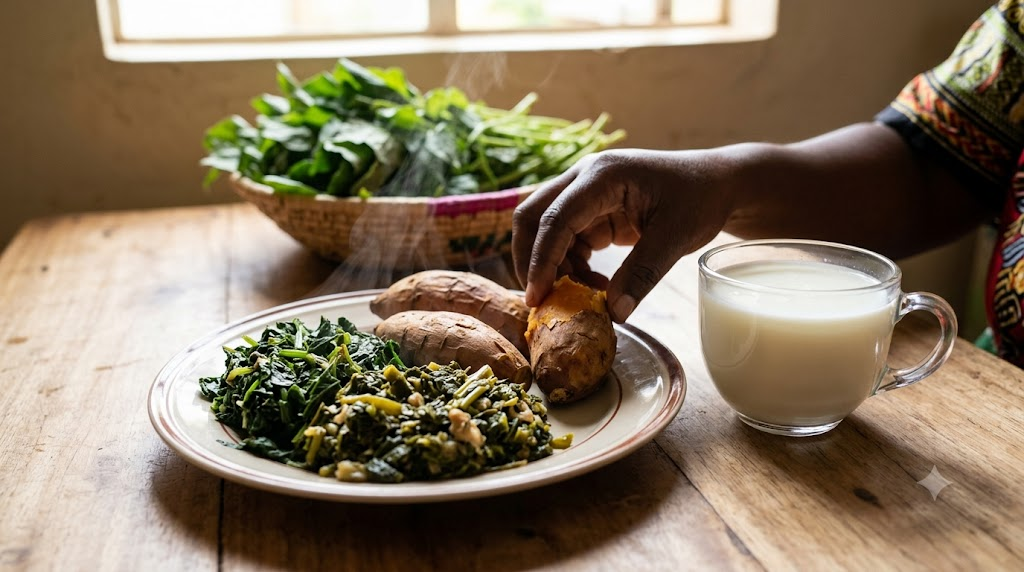
You can easily do this using affordable local foods. Adding traditional vegetables like managu, terere, and sweet potatoes to your daily meals provides the necessary prebiotic fibres that feed your good bacteria. Drinking maziwa lala or eating natural yoghurt also introduces active probiotics that strengthen your digestive tract.
If you still get a running stomach while away, do not panic. Your first step should be staying hydrated. Sip clean, bottled water mixed with oral rehydration salts, which you can buy at any local chemist for about Sh50.
Avoid rushing to take strong antibiotics immediately, as they kill both good and bad bacteria, which actually makes recovery slower. Stick to simple, light meals until your stomach settles down.