Foods that never miss in a Kenyan buffet
By Katemarthason Okudo, June 15, 2026Buffets in Kenya are more than just a collection of dishes; they reflect culture, celebration, and shared identity. Whether it is a wedding, corporate event, hotel brunch, or a weekend gathering, certain foods are almost always expected to appear on the table.
These dishes bring together tradition and modern taste, creating a spread that feels familiar yet diverse.
Staples that define the buffet experience
A typical Kenyan buffet often begins with staple carbohydrates that form the base of most meals. Ugali remains a constant favourite, valued for its simplicity and ability to pair with a wide range of dishes. Alongside it, rice dishes such as pilau and biryani are commonly served, especially at festive occasions where aroma and spice are key features.

Chapati also holds a strong place on buffet tables, often enjoyed for its soft texture and versatility. In many settings, mashed potatoes or steamed vegetables are included to cater to varying preferences. According to local hospitality trends [Kenya Tourism Board], these staples form the backbone of shared dining experiences across the country.
Proteins that bring the table to life
No Kenyan buffet feels complete without a generous selection of proteins. Nyama choma, or roasted meat, remains one of the most popular highlights, often served with kachumbari for freshness. Fried chicken and beef stew are also common, offering rich and hearty options for guests.
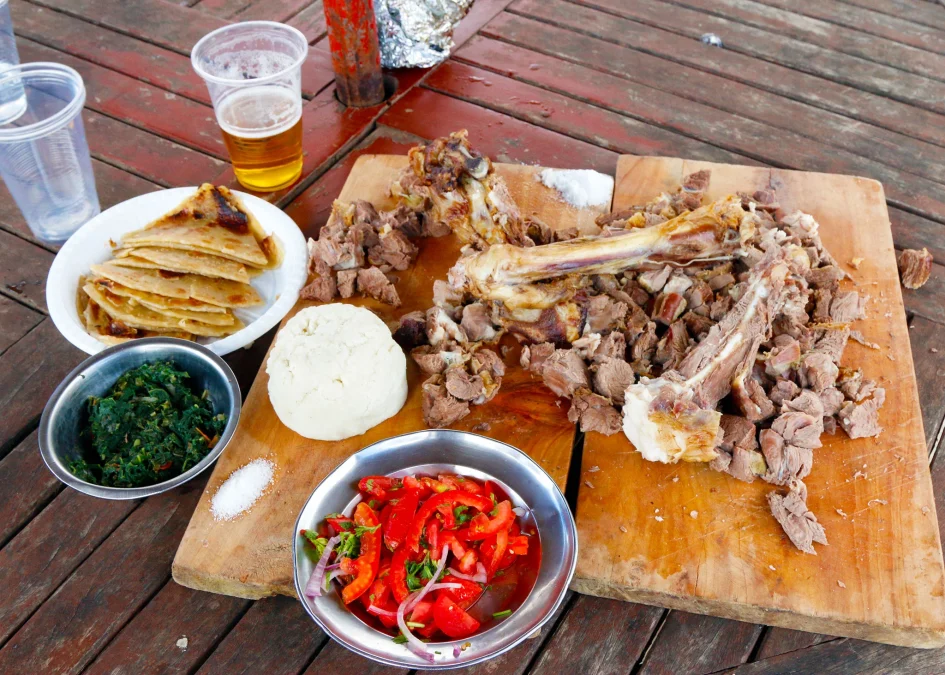
Fish, particularly tilapia, is frequently included in coastal and urban buffets, reflecting regional influences in Kenyan cuisine. Goat meat dishes are also widely served during celebrations, especially in traditional gatherings. Hospitality industry observations show that protein variety is central to ensuring buffet satisfaction across different age groups and tastes.
Accompaniments and vegetables
Vegetables play an important role in balancing the heavy flavours of buffet meals. Sukuma wiki (collard greens) is one of the most consistent additions, valued for its affordability and nutritional value. Cabbage, spinach, and mixed vegetable stews also appear regularly.
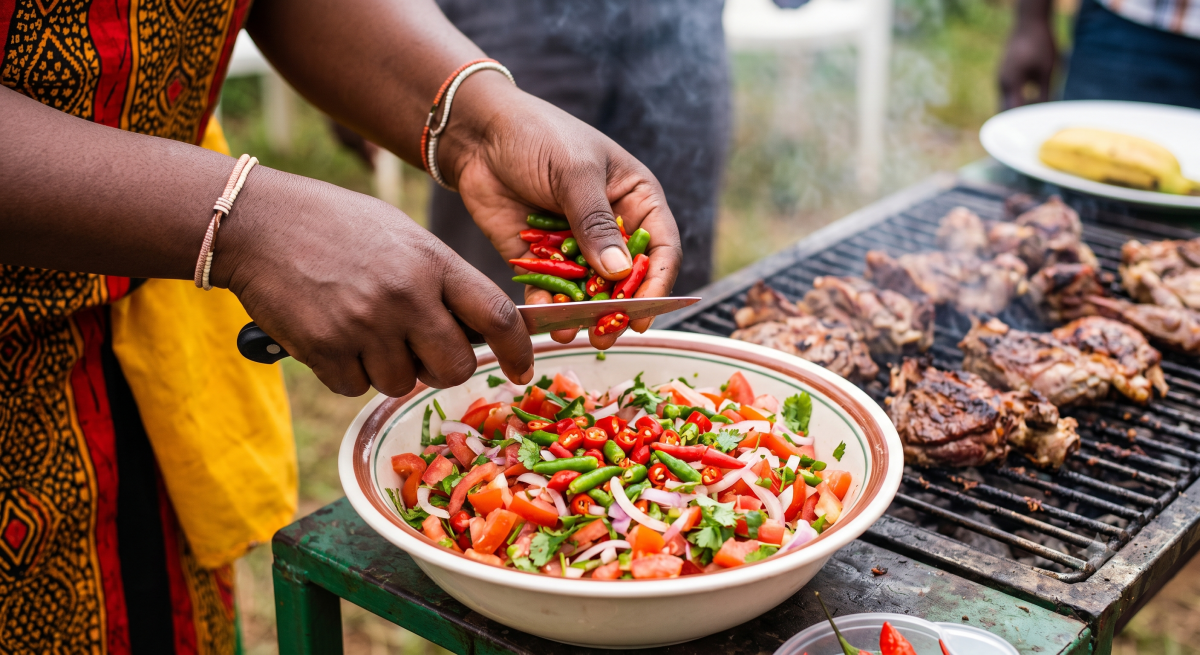
Salads, especially kachumbari made from tomatoes, onions, and coriander, add freshness and a slight tang to the plate. In more modern buffets, coleslaw and pasta salads have become increasingly common, reflecting global culinary influence.
Soups, sauces and extras
Buffets often include soups such as chicken broth or vegetable soup, especially in hotel settings. These lighter options prepare the palate for heavier dishes. Sauces like gravy, tomato-based stews, and spicy chilli mixes are also essential, allowing diners to customise flavour according to preference.
Side additions such as samosas, mandazis, and mini pastries are frequently served, especially in breakfast or tea-time buffets. These items reflect Kenya’s growing fusion of traditional and continental dining habits.
The cultural meaning
Beyond the food itself, Kenyan buffets symbolise togetherness. They allow guests to mix, match, and experience a variety of flavours in one sitting. From rural celebrations to urban hotel dining, the buffet style continues to represent hospitality and abundance.
According to culinary culture insights [Kenyan Hospitality Association], the diversity of dishes is not just about taste but about inclusivity, ensuring that every guest finds something familiar on the table.
In the end, a Kenyan buffet is less about strict rules and more about shared enjoyment. It is a reflection of the country’s rich food heritage, where every dish tells a story, and every plate brings people together.