Advertisement
The science of spicy food – what capsaicin does to the body
11th June, 2026 11:46 AM

There’s a reason nyama choma without kachumbari feels like something is missing or why a bowl of githeri tastes flat until someone passes the pilipili.
Spicy food is not just a preference in Kenya. It’s woven into how we cook, eat, and gather. But what is actually happening inside the body when that burn kicks in?
Your brain thinks it’s on fire
The heat you feel from pilipili is not accidental. It is caused by a compound called capsaicin, which binds to pain receptors in the mouth and throat known as TRPV1.
These receptors normally fire when they detect temperatures above 43°C or actual tissue damage. Capsaicin tricks them into firing without either.

TRPV1 is a cation channel that initiates action potentials in pain-sensing neurons, and also serves as a thermosensor involved in protecting the body from noxious high-temperature hazards.
In short, your mouth sends a distress signal to the brain, and the brain responds as if there is a genuine emergency.
The emergency response is where things get interesting. The brain, believing the body is in danger, releases endorphins. These are the same natural painkillers released during intense exercise.

They bind to opioid receptors, reduce the perception of pain, and produce a mild euphoric feeling. It is the reason eating a particularly spicy plate of pilipili stew can feel, at the same time, both painful and strangely satisfying.
With repeated exposure, the TRPV1 receptor desensitises. This is why someone who grew up eating pilipili can handle heat that leaves others in tears. It is a physiological adaptation.
The long-term health picture
Beyond the immediate rush, capsaicin has an effect on metabolism. It raises core body temperature slightly, which increases calorie burn in the short term. Some research also points to capsaicin’s role in gut health, appetite regulation, and cardiovascular function.
A review published in the journal Biomolecules concluded that “a chili pepper-rich diet is associated with a reduced risk of dying due to cardiovascular disease,” though the exact mechanism is still being studied, with the benefit potentially tied to capsaicin’s effect on gut microbiota.
More than just heat
There is also something cultural at work. In Kenya, pilipili tolerance is often a quiet point of pride. Sharing a meal and being the person who handles the heat without flinching carries a certain social weight.
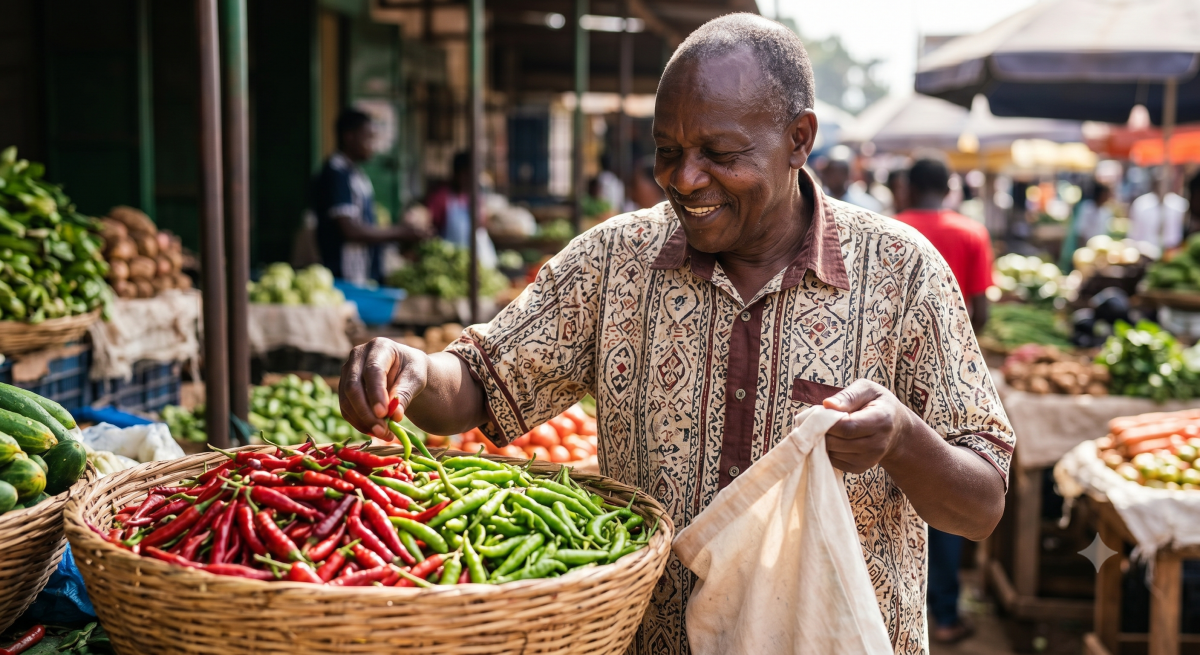
Across food cultures globally, chilli has historically served as more than flavour. It preserves food, signals hospitality, and marks regional identity.
For the everyday Kenyan, this is good news. The pilipili you shake onto your ugali, stir into your stew, or slice into your kachumbari – the science increasingly suggests it may be doing something useful, one bite at a time.