Advertisement
Foods that keep your body warm during cold season
05th July, 2026 12:50 PM
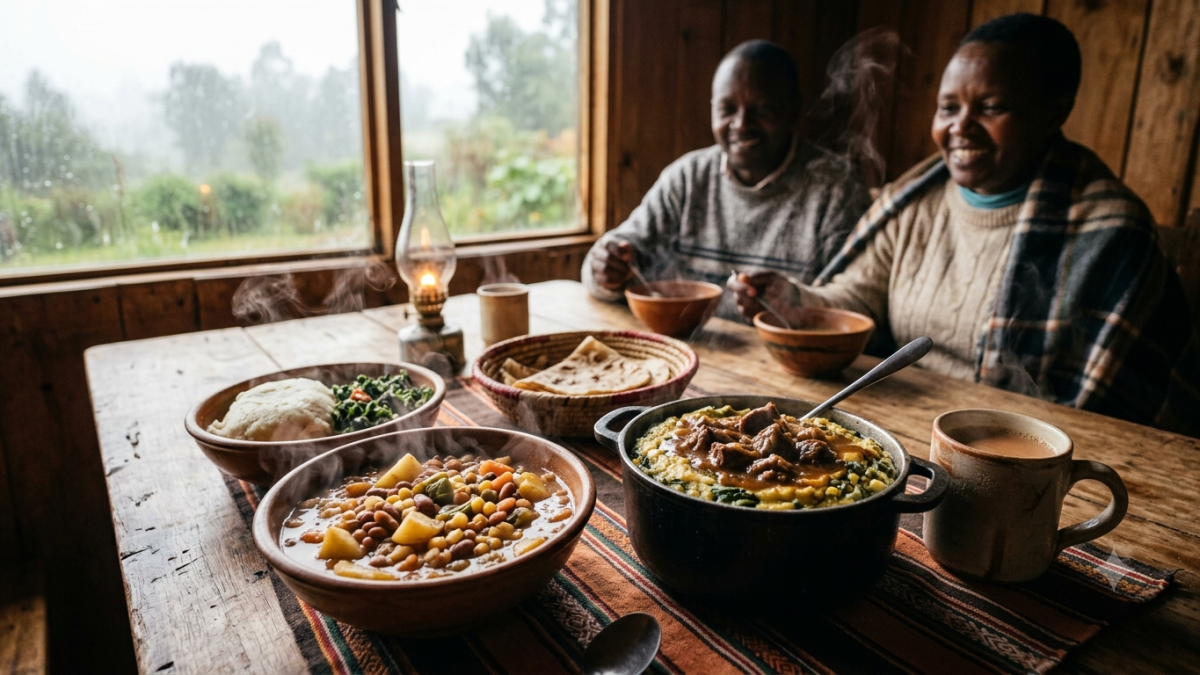
Cold mornings, rainy afternoons and chilly evenings often influence what people choose to eat. When temperatures drop, a steaming bowl of porridge, a plate of ugali with stew or a hot serving of githeri can feel far more satisfying than a light snack.
The NHS Eatwell Guide recommends meals that combine starchy carbohydrates, protein foods, vegetables and healthy fats. This supports balanced plates such as ugali with stew and vegetables, githeri with greens, or beans served with rice and avocado.
Hot foods do not permanently raise the body’s core temperature iujin the way warm clothing does. However, meals served hot can create an immediate feeling of warmth, while the body also produces heat as it digests food. Meals containing carbohydrates, protein and healthy fats are particularly useful because they provide energy and help people stay full for longer.
Uji offers a warm start to the day
Uji remains one of the most common foods for cold mornings. Made from millet, sorghum, maize or mixed flour, it is usually served hot and can be prepared with milk, groundnuts, honey or a little sugar.

The hot porridge gives immediate comfort, while its carbohydrates provide energy for the morning. Millet and sorghum can also add fibre, while milk and groundnuts bring protein and fat, making the drink more filling.
For people who prefer a solid breakfast, boiled sweet potatoes, arrowroots and cassava are also suitable choices. These root foods provide carbohydrates and are best enjoyed hot with tea, milk, eggs or avocado.
Githeri and mokimo make hearty meals
Githeri is one of Kenya’s most dependable cold-weather meals. The combination of maize and beans provides carbohydrates, protein and fibre, helping the body receive steady energy through the day.
The meal can be made richer by adding potatoes, pumpkin, carrots, onions, tomatoes and leafy vegetables. Served hot, it becomes a filling lunch or supper that can keep hunger away for hours.
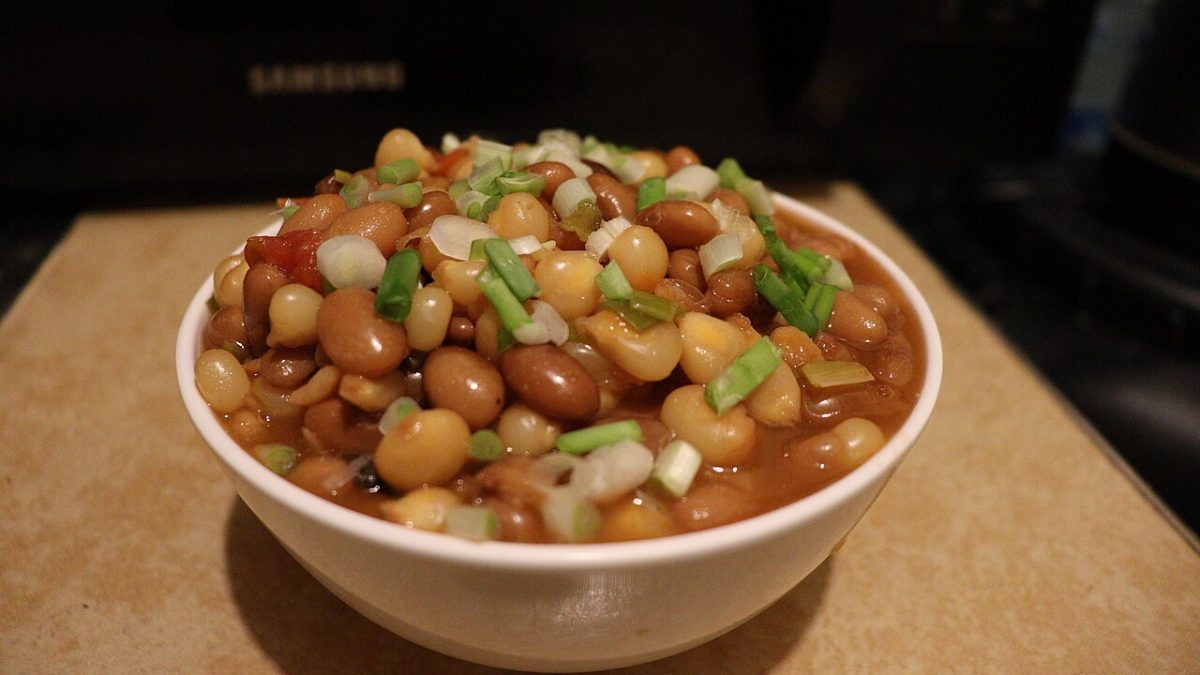
Mokimo, also known as irio in some homes, is another comforting option. The mashed mixture of potatoes, maize, beans and green vegetables is usually served with beef stew, chicken, fish or vegetables. Potatoes provide energy, while beans and greens make the dish more balanced.
Ugali and hot stew remain a cold-season favourite
Ugali is widely enjoyed during chilly weather because it is filling and works well with many hot accompaniments. It can be served with beef stew, chicken stew, fish, omena, matumbo, beans or green grams.
A hot stew adds warmth because of its temperature, while meat, fish and legumes provide protein. Protein takes longer to digest than highly processed foods, which can help a person feel satisfied for longer.
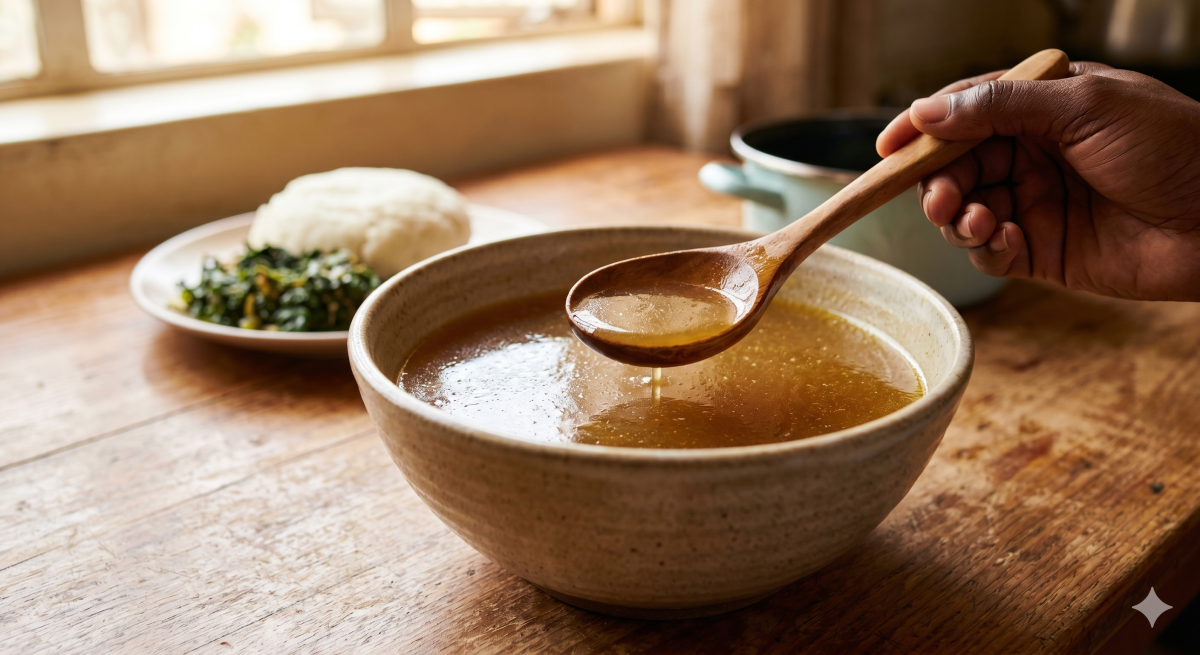
A plate of ugali with sukuma wiki, spinach, managu, terere, kunde or mrenda also brings fibre, vitamins and minerals to the meal. Traditional vegetables cooked with onions, tomatoes, milk or groundnuts can make a simple supper feel richer and more nourishing.
Beans, ndengu and lentils provide lasting energy
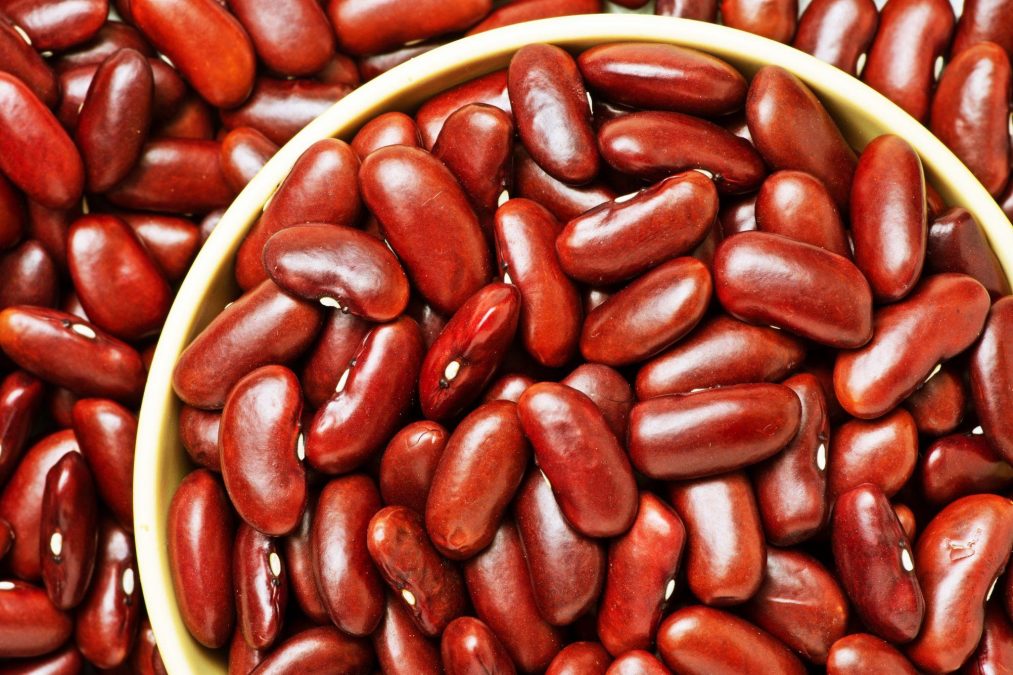
Beans, ndengu and lentils are useful foods during cold weather because they are filling, affordable and easy to prepare in large portions. When cooked as thick stews with onions, tomatoes, carrots, potatoes and spices, they become ideal meals for a rainy day.
Ndengu with chapati is a familiar favourite, while beans can be served with rice, ugali or potatoes. The legumes contain protein and fibre, which are digested gradually and help reduce the need for frequent snacking.
The Nutrition source explains that beans, lentils, fish, chicken, eggs and meat are protein foods that can support fullness and form part of a balanced diet.
Adding avocado, vegetables or a small portion of meat can make these meals even more balanced.
Soup, pumpkin and spices add extra comfort
A hot bowl of beef, chicken, fish or vegetable soup can be especially welcome in the evening. Soup can include potatoes, pumpkin, carrots, cabbage, beans and leafy vegetables, making it more than just a starter.
Pumpkin can also be added to githeri, mukimo, soup or mashed potatoes. It gives meals a soft texture and provides fibre and vitamin A.
Spices such as ginger, garlic, black pepper, cinnamon and chilli can add a warming flavour to tea, soups and stews. Ginger tea, for example, is popular during cold mornings and rainy evenings because it is served hot and has a naturally sharp taste.
Spices should still be used moderately, especially by people with heartburn, ulcers or sensitive stomachs. The best cold-season meals are not only hot but balanced, combining carbohydrates for energy, protein for fullness and vegetables for vitamins and fibre.