Foods recommended for infants and young children
By Katemarthason Okudo, June 14, 2026Good nutrition in the early years of life plays a crucial role in a child’s growth, brain development, and immunity. Health experts recommend a variety of food groups to ensure children receive the right balance of energy, protein, vitamins, and minerals.
According to the World Health Organisation and UNICEF, introducing diverse foods alongside breast milk helps build a strong foundation for lifelong health.
Below is a breakdown of recommended foods for infants and young children and how each group supports development.
Grains, roots and tubers
Foods such as maize, rice, wheat, oats, potatoes, and cassava are important sources of energy for growing children. They provide carbohydrates, which fuel daily activity and support brain function, minerals such as iron and calcium, and nutrients.
For infants transitioning to solid foods, soft porridge made from maize or oats, mashed potatoes, or well-cooked rice is gentle on the stomach and easy to digest.
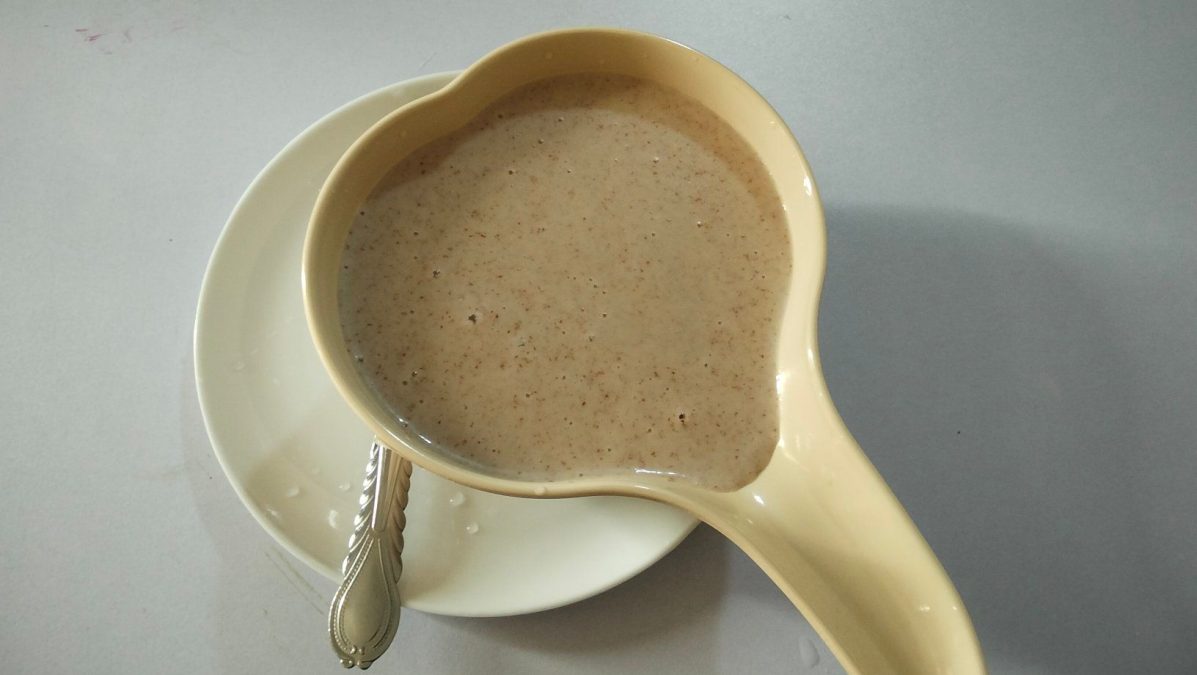
According to WHO infant feeding guidelines, these foods form the base of complementary feeding due to their energy density and accessibility.
Legumes and nuts
Lentils, beans, chickpeas, and peanuts are rich in plant-based protein, fibre, energy, vitamins, and essential minerals like iron and zinc. These nutrients support muscle development, blood health, and immunity.
For children, mashed beans, lentil soups, or smooth peanut paste (in safe, age-appropriate forms) are commonly used examples.
FAO nutrition reports highlight legumes as a cost-effective protein source for young children in diverse diets.
Dairy products
Milk, yoghurt, and cheese provide calcium, protein and vitamin B12. These nutrients are essential for strong bones, teeth development and healthy growth.
For infants and toddlers, plain yoghurt or small portions of soft cheese can be introduced depending on age and tolerance.
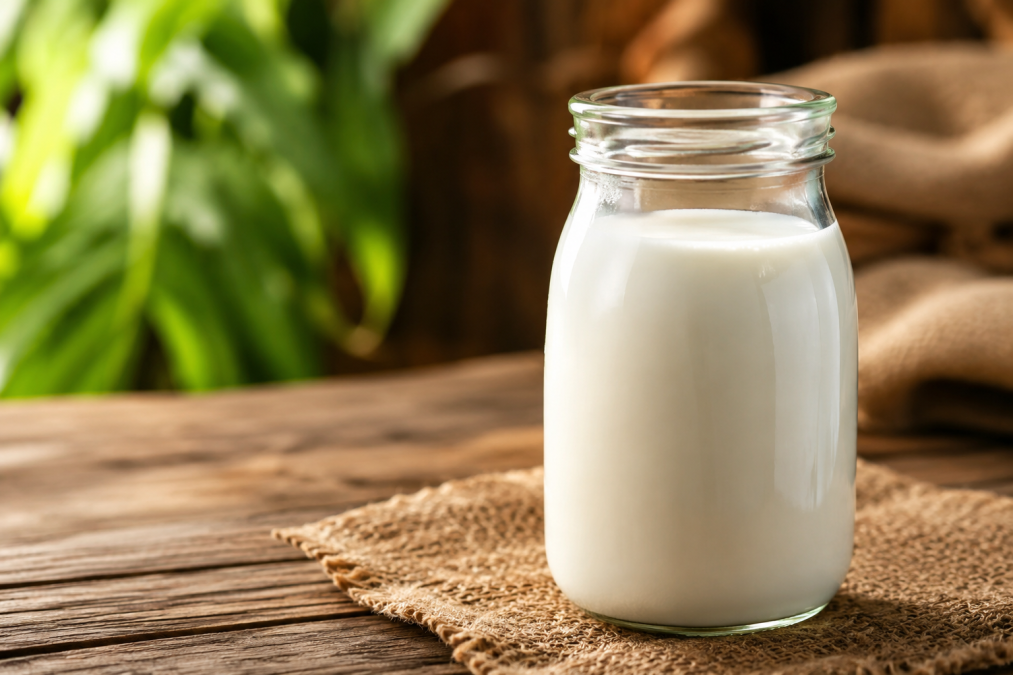
Dairy products play an important role in meeting calcium needs during early childhood.
Flesh foods
Meat, fish, poultry, and organ meats such as liver are nutrient-dense foods rich in protein, iron, zinc, and energy. They help prevent anaemia, support brain development, and strengthen the immune system.
Softly cooked minced meat, shredded chicken, or well-cooked fish are suitable examples for young children. Small amounts can significantly improve dietary quality.
Eggs
Eggs are a complete protein source containing healthy fats, protein, vitamins A, D, B12 and choline. They support brain development and overall growth. Boiled or mashed eggs are common ways of serving them to infants and toddlers.
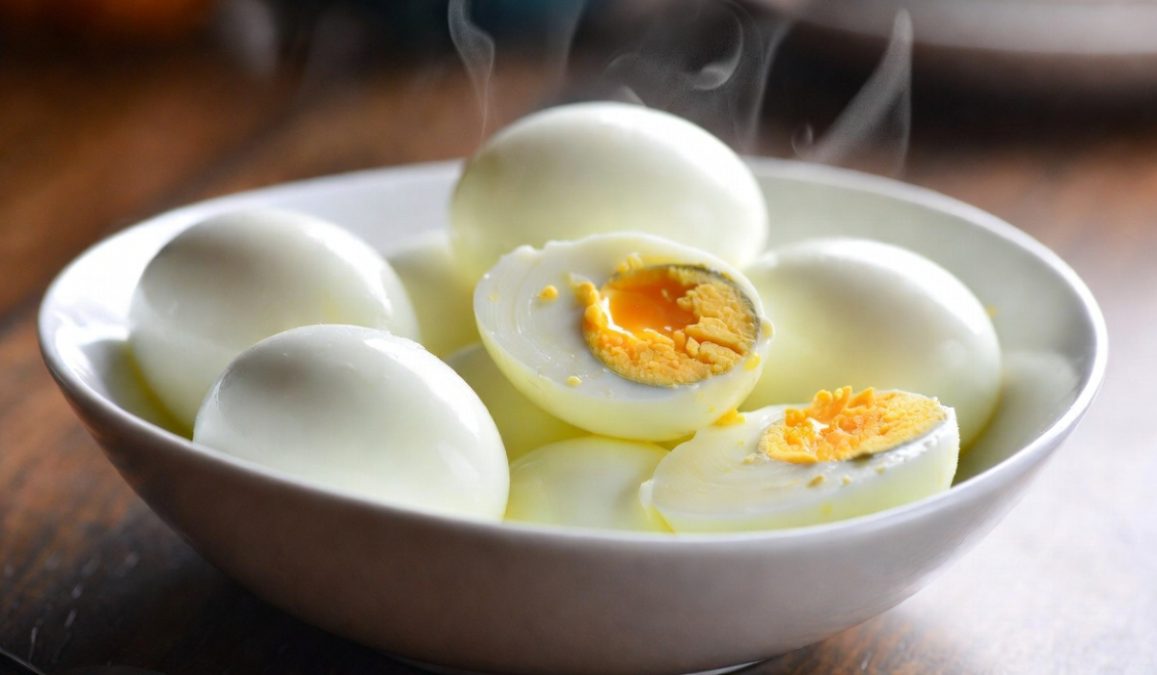
According to WHO recommendations, eggs are among the first animal foods that can be safely introduced in complementary feeding.
Vitamin A-Rich fruits and vegetables
Carrots, pumpkins, dark leafy greens, mangoes and pawpaws are rich in vitamin A, vitamin C, folate and other minerals. Vitamin A supports good vision, healthy skin and a strong immune system. Mashed pumpkin, pureed carrots or soft ripe mango slices are suitable examples for young children.
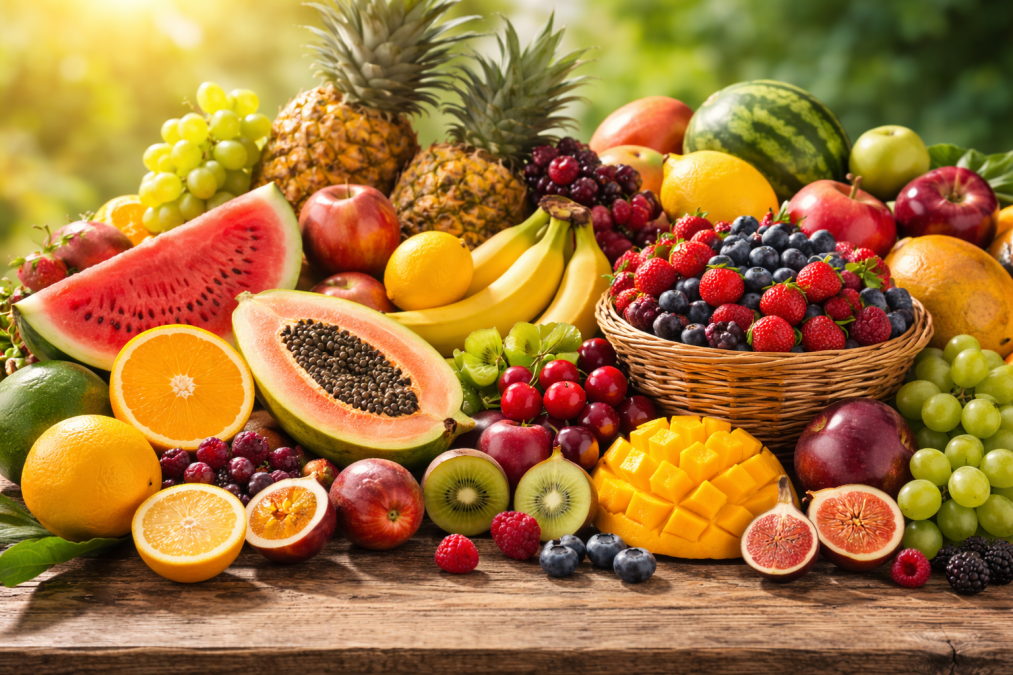
Vitamin A deficiency can increase infection risk, making these foods essential.
Other fruits and vegetables
Apples, bananas and tomatoes provide vitamins, fibre and antioxidants. They support digestion, hydration and general well-being. Soft mashed bananas, stewed apples or tomato-based sauces are commonly used in children’s meals.
These foods help ensure dietary variety and improve taste acceptance early in life.
Breast milk
Breast milk remains the most important source of nutrition for infants, especially in the first six months of life. It provides antibodies that protect against infections, along with the perfect balance of nutrients required for growth.
Even after introducing solid foods, continued breastfeeding is recommended alongside complementary feeding.
According to UNICEF, breast milk continues to provide significant nutritional and protective benefits up to two years and beyond.