Beyond cow milk: Types of milk Kenyans can add to their diet
By Katemarthason Okudo, September 1, 2026For many Kenyan households, cow milk is part of the daily routine. It goes into tea in the morning, porridge, cereals, and sometimes is taken on its own.
But milk does not only come from cows. Different animals produce milk with varying amounts of fat, protein, vitamins and minerals. Some are common in Kenya, while others are less familiar but are consumed in different parts of the country and around the world.
According to the Food and Agriculture Organisation (FAO), milk production globally comes mainly from cattle, goats, sheep and camels, with smaller amounts coming from animals such as yaks and horses.
For Kenyans looking to add variety to their diet, these are seven types of milk worth knowing.
Goat milk
Goat milk is one of the more familiar alternatives to cow milk, especially in households that keep goats. It has a slightly different taste and is often used in tea, porridge and other foods in the same way as cow milk.
Nutritionally, goat milk provides protein, fat and calcium. FAO data shows that goat milk contains about 3.4 grams of protein per 100 grams, although its composition can vary depending on the animal and production conditions.
Camel milk
Camel milk is particularly associated with Kenya’s arid and semi-arid regions, where camels play an important role in food production.
It has a slightly salty taste compared with cow milk and contains protein, fat, vitamins and minerals. According to FAO, camel milk has a similar overall composition to cow milk but provides more vitamin C and is also a source of B vitamins.
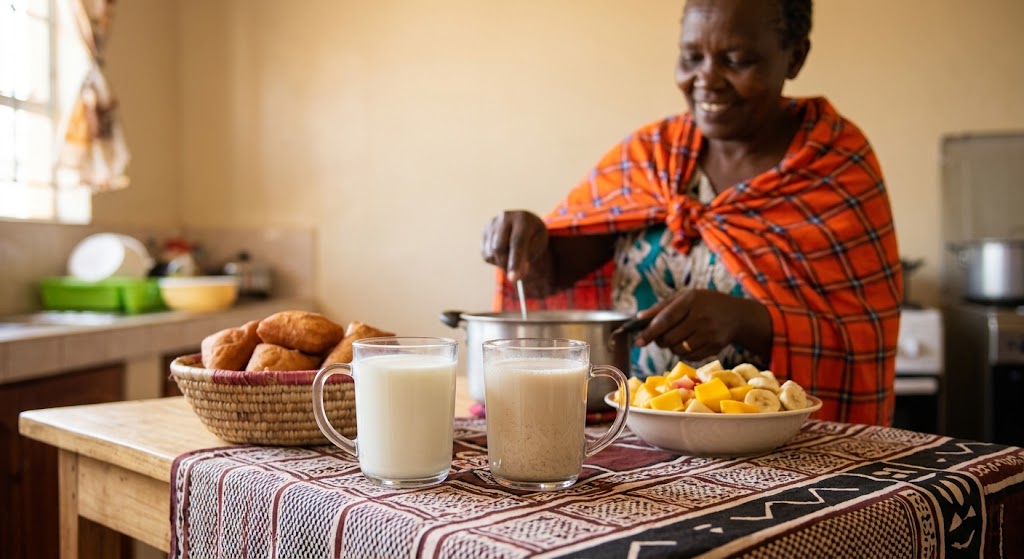
It can be consumed fresh or fermented and is often an important food in communities that depend on camel keeping.
Sheep milk
Sheep milk may not be an everyday choice for most Kenyan households, but it is another type of animal milk consumed in different parts of the world.
It is naturally richer in fat and protein than cow and goat milk. FAO estimates that sheep milk contains about 5.6 grams of protein and 6.4 grams of fat per 100 grams, although the actual composition varies.
Because of its richer composition, sheep milk is also commonly used to make products such as cheese and yoghurt.
Soy milk
Moving from animal milk to plant-based options, soy milk is made from soybeans and water. It has become a popular choice for people looking for a dairy-free drink.
One advantage of soy milk is its relatively high protein content compared with many other plant-based milk alternatives. It can be added to porridge, cereals, smoothies, tea and coffee.
However, nutritional values differ between products, so checking the label for protein, calcium, vitamin D and added sugar is useful.
Oat milk
Oat milk is made from oats and water and has a mild taste with a creamy texture. It can be used in beverages, cereals, porridge and baking.
Unlike animal milk, its nutritional profile depends heavily on how it is processed and whether nutrients have been added. Some commercial varieties also contain added sugar, making unsweetened versions worth considering.
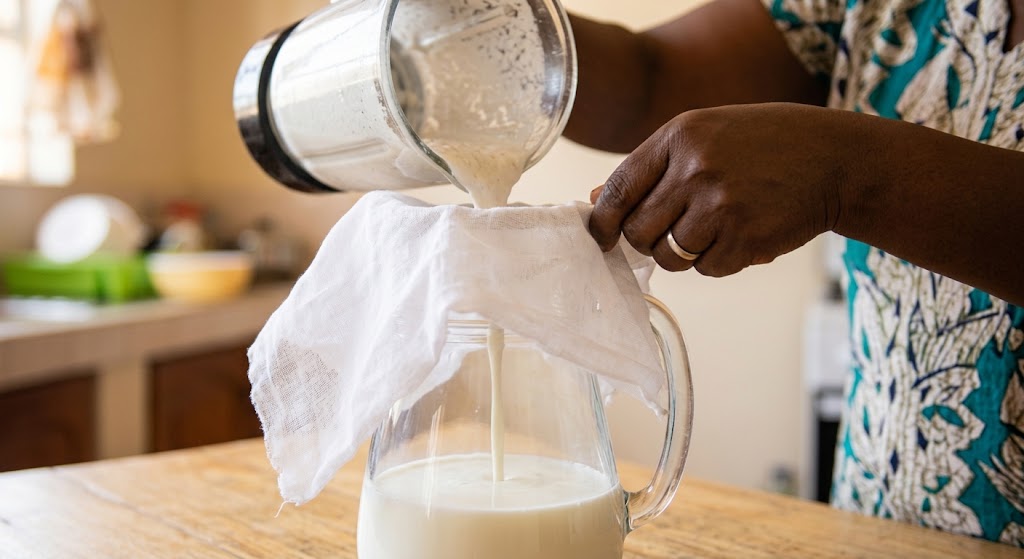
Almond milk
Almond milk is produced from almonds and water and has a light, nutty flavour. It can be used in smoothies, cereals, coffee and cooking.
It is generally lower in protein than cow or soy milk, so it should not automatically be considered a nutritional replacement for dairy milk. Fortified varieties may provide calcium and vitamin D, depending on the brand.
Choosing the right milk
The growing number of milk choices gives consumers more room to choose according to taste, availability and nutritional needs. However, different types should not be treated as nutritionally identical.
Animal milks such as goat, sheep and camel milk naturally contain different levels of protein, fat and other nutrients, while plant-based drinks can vary widely depending on how they are made and fortified.
The important thing is to look beyond the name on the package. Checking the nutrition label and choosing products that fit into an otherwise balanced diet can make it easier to enjoy milk in different ways without relying on only one type.