High-altitude haircare: Tips to protect natural hair in cold, dry weather
By Dan Kauna, September 7, 2026Living in high-altitude regions like Nairobi, Eldoret, Nakuru, or Kericho comes with crisp fresh air, but it also presents a challenge for natural hair.
At higher elevations, lower atmospheric pressure and reduced relative humidity cause water to evaporate rapidly from both the skin and the hair shaft. When natural curls lose their internal moisture balance, strands become rigid, lose elasticity, and break easily during daily combing.
A study on hair mechanics published in Cosmetics & Toiletries found that “at ambient humidity, Afro-textured hair frequently breaks under low levels of extension”, demonstrating how fragile coily strands become when moisture drops.
In dry mountain air, this vulnerability doubles because the atmosphere constantly pulls hydration out of the hair cuticle.
Mastering moisture retention
To protect natural hair in high-altitude environments, daily care must shift from simple surface wetting to active moisture locking. Water or a water-based leave-in conditioner serves as the primary hydrating layer.
However, applying water alone in thin, dry air causes rapid evaporation, leaving hair drier than before.
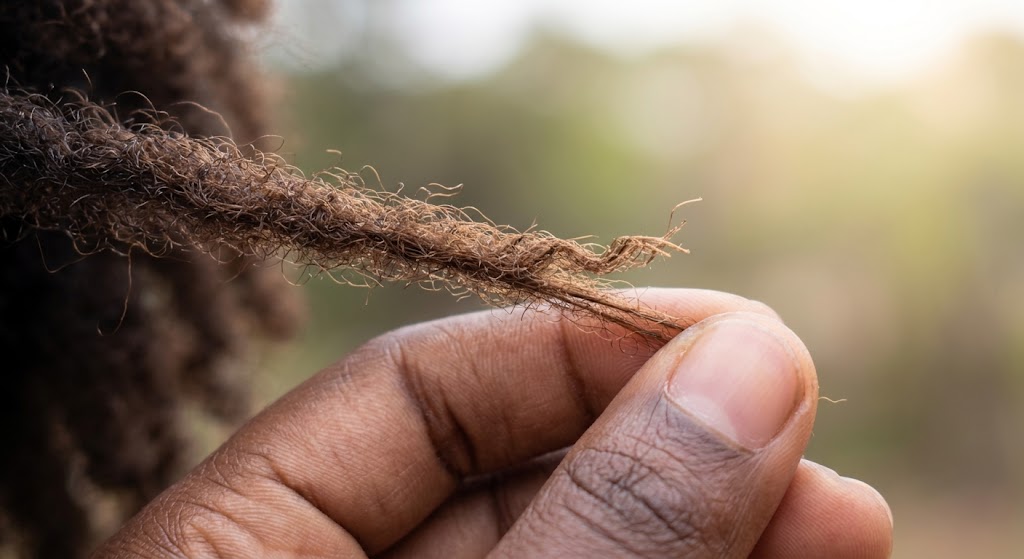
Following water with a natural oil such as jojoba or avocado oil coats the strand and slows down water loss. Completing the process with a rich cream or shea butter creates a physical barrier that holds the hydration inside the inner cortex.
Washing hair once a week with a gentle sulphate-free cleanser also prevents stripping the scalp of its natural protective sebum.
Protective styling and scalp care
Protective hairstyles such as flat twists, knotless braids, and lines remain the most effective defence against harsh weather. Keeping hair ends tucked away reduces direct exposure to cold winds and dry air, which minimises split ends and friction breakage.
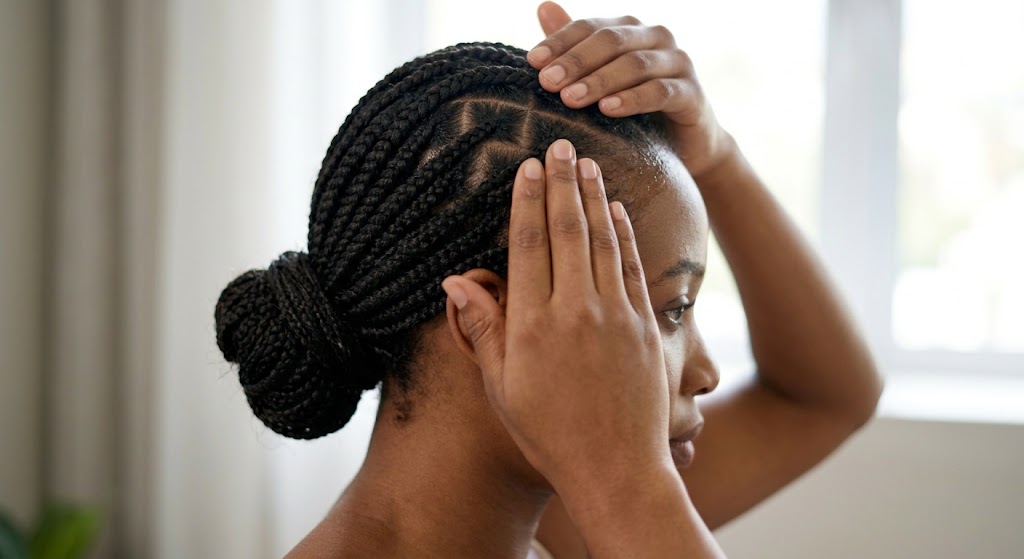
Scalp care is equally critical when temperatures drop. Massaging the scalp twice weekly with lightweight oils stimulates blood circulation and maintains the natural lipid barrier.
Wearing a satin bonnet or using a satin pillowcase at night prevents cotton fabrics from absorbing moisture from hair during sleep. By combining consistent hydration with low-tension protective styles, natural hair can thrive comfortably at any altitude.