From Gikomba to Instagram: How thrift shopping changed the way Kenyans dress
By Cynthia Lodite, September 7, 2026What was once considered a shopping option for people looking to save money has become a major part of Kenya’s fashion culture.
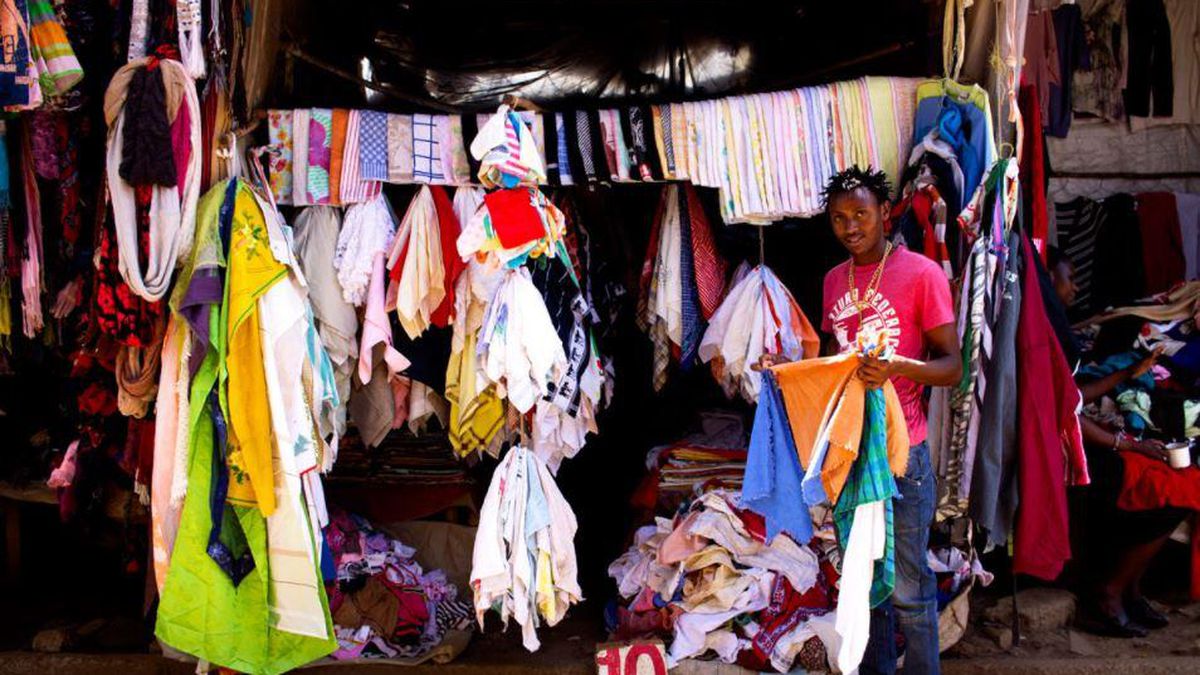
Walk through popular mitumba markets such as Gikomba, Toi Market or Ngara and you will find shoppers searching through piles of clothes for unique pieces at affordable prices.
Today, that same thrift culture has moved beyond physical markets and onto Instagram, TikTok and other social media platforms.
For many young Kenyans, thrift shopping is no longer simply about buying cheap clothes. It is about finding something different, creating a personal style and sometimes even turning fashion into a business.
From market stalls to social media
Gikomba has long been associated with affordable second-hand clothes, attracting shoppers looking for everything from jeans and dresses to jackets, shoes and handbags.
But social media has changed how these clothes are discovered and sold.
Small businesses and individual sellers now photograph their best pieces and post them online. Instead of spending hours searching through piles of clothes, customers can scroll through social media, spot an item they like and contact the seller.
Some sellers have also built loyal followings by specialising in particular styles, including vintage clothing, office wear, streetwear and trendy pieces.
This has helped give thrift fashion a more polished image. A piece that might have been picked from a market pile can be photographed, styled and presented online as a carefully selected fashion item.
Why Kenyans love thrift fashion
One of the biggest attractions is affordability.
With the cost of living putting pressure on household budgets, many shoppers are looking for ways to dress well without spending too much. Thrift markets provide an opportunity to find clothes at prices that are often lower than those of new items.
There is also the excitement of the hunt.
For some shoppers, finding a unique jacket, vintage dress or quality pair of jeans among hundreds of clothes feels like discovering a hidden treasure.
Unlike buying clothes from conventional stores, where several people may own the same design, thrift shopping can help shoppers create a wardrobe that feels more personal.
Social media has also played a role in changing perceptions. Young Kenyans regularly showcase thrifted outfits online, making it harder to associate second-hand fashion only with financial struggle.
Today, wearing mitumba can be a deliberate fashion choice.
Thrifting becomes a business
The growth of thrift fashion has also created opportunities for young entrepreneurs.
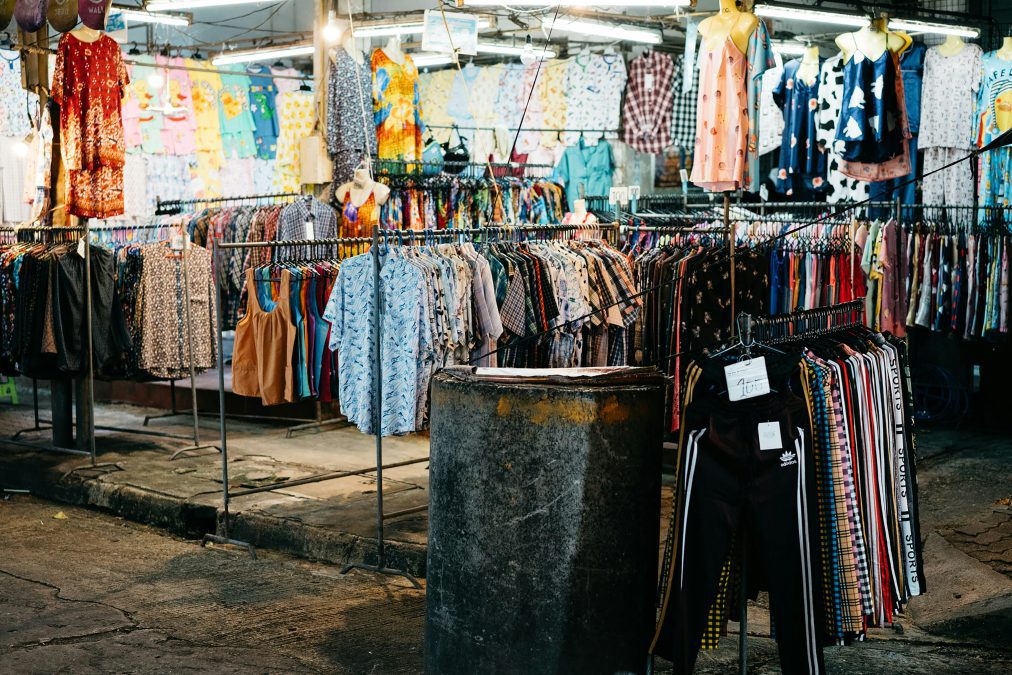
Some start with a small amount of money, purchase selected pieces and resell them through Instagram, TikTok, WhatsApp or physical stalls.
Others have turned the business into curated thrift stores, where clothes are selected, cleaned, styled and photographed before being advertised to customers.
Social media makes it possible for sellers to reach customers far beyond their neighbourhoods. A seller in Nairobi can attract buyers from other towns without necessarily having a large physical shop.
For customers, this has made thrift shopping more convenient. They can browse items from their phones, ask for measurements and arrange delivery without visiting a market.