Charlene Ruto’s koito: Why male leaders are carrying black long sticks
By Cynthia Lodite, August 8, 2026The traditional koito ceremony involving President William Ruto’s daughter, Charlene Ruto, has drawn attention not only because of the prominent guests in attendance but also because of a striking cultural detail.
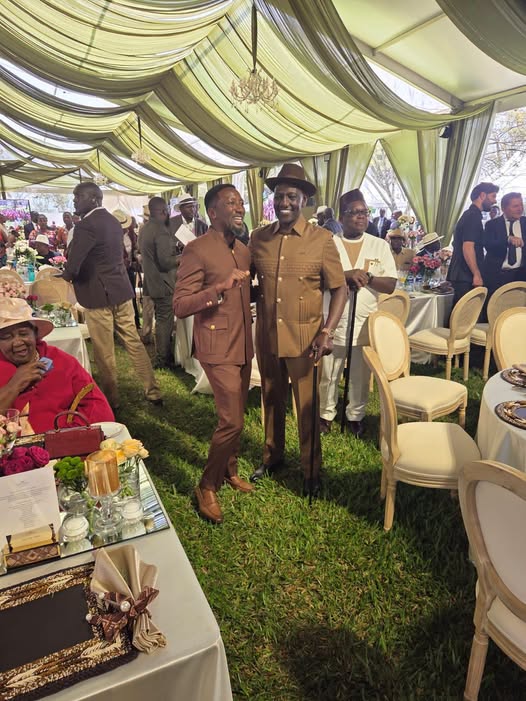
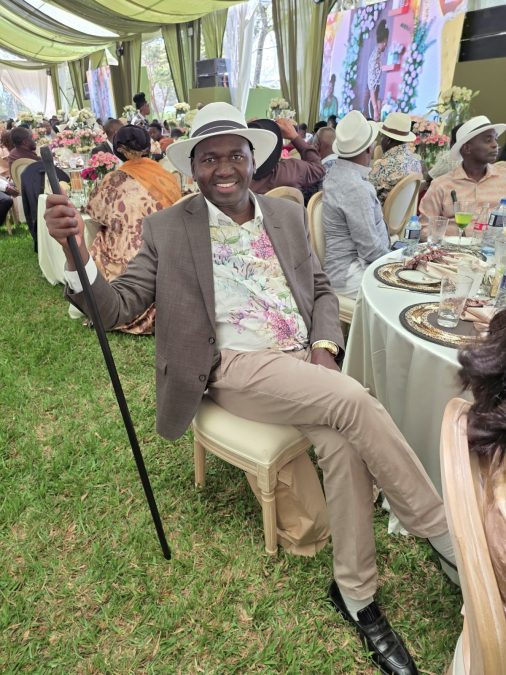
Several male leaders and elders arriving at the ceremony were seen carrying long black sticks, sparking curiosity among many Kenyans online.
President William Ruto, DP Kithure Kindiki, Prime Cabinet Secretary Musalia Mudavadi, and MP Oscar Sudi were among those spotted carrying the stick.
As politicians, community elders and respected guests gathered to witness the important Kalenjin marriage negotiation rite, the black stick has stood out as more than a walking aid.
Among the Kalenjin people of Kenya’s Rift Valley, the koito is the moment a private relationship becomes a public commitment. It is the ceremony that transforms two individuals into a couple recognised by both families, the clan, and the wider community.

The word “koito” means “to give away”, and it refers to the formal engagement and dowry negotiation that takes place between the groom’s family and the bride’s family.
Koito is not a quiet, back-room agreement. It is a celebration, colourful, musical, full of food, elders, and community, and it has become one of the most culturally significant events in a Kalenjin couple’s marriage journey.
Significance of black stick
The male elders carry a black stick commonly known as the Kirwot or Nogirwit, which is a specialised elder’s walking and ceremonial stick made from hardwood trees like Ebony/Oltatwa.
The stick symbolises authority, wisdom, and responsibility; hence, when an elder carries it during koito, he is not attending merely as a guest. He is present as a representative of his family and community.
More than a walking stick
Historically, Kalenjin men used wooden staffs in everyday life while walking long distances, herding livestock, and travelling between homesteads. Over generations, these practical objects became associated with maturity and leadership.
Because respected older men were rarely separated from their staffs, the object gradually acquired ceremonial importance. During koito, it helps distinguish elders who are participating in the formal process from younger attendees who are simply witnessing the occasion.
Respect during negotiations
Koito negotiations are traditionally conducted through appointed spokesmen and elders, not through the bride and groom themselves. The presence of the black staff reinforces the seriousness of the occasion.
It signals that the discussions involve family relationships, obligations, and the joining of two households rather than a casual agreement between individuals.
In many ceremonies, elders holding staffs sit prominently during the negotiations and later participate in prayers, blessings, and advice to the couple.
A visible sign of wisdom and stability
The dark colour of the staff usually comes from the natural wood used to make it rather than from a special ritual process. Its importance lies less in the colour itself and more in what it represents: experience, stability, patience, and guidance.
For younger generations, the staff serves as a reminder that marriage in Kalenjin culture has traditionally been understood as a union supported by families, elders, and the wider community.