Advertisement
El Niño: How to protect your car on a rainy day in case of flooded roads
17th September, 2026 01:22 AM
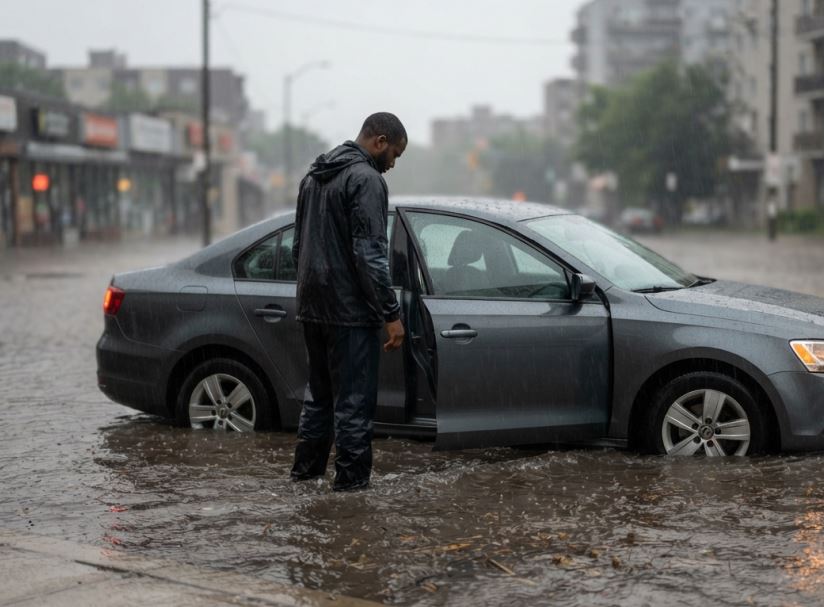
When heavy rain arrives, most motorists worry about getting to work, getting home and avoiding the usual traffic snarl. But there is another problem hiding under all that water: your car.
A road that looked perfectly normal an hour earlier can quickly turn into a pool, especially around low-lying areas, underpasses, bridges and roads with blocked drainage. Kenya is preparing for the effects of El Niño, with heavy rainfall and flooding among the concerns being monitored. Recent reporting has also highlighted the potential disruption to roads and infrastructure during periods of intense rainfall.
For motorists, the golden rule is simple: a flooded road is not an invitation to test how adventurous your car is. Water can damage the engine, brakes, tyres, suspension and electrical systems, while fast-moving water can put the occupants at serious risk.
Here are five things to keep in mind when driving during heavy rains.
Do not assume your car can handle the water
One of the biggest mistakes motorists make is judging floodwater by appearance. A stretch of road can look like a shallow puddle while hiding a pothole, broken section of tarmac or a much deeper depression.
The safest option is to avoid water when you cannot establish how deep it is. Guidance from motoring organisations warns drivers against entering floodwater of unknown depth because the water may be considerably deeper than it appears.
Your vehicle’s size also does not automatically make it flood-proof. An SUV may have more ground clearance than a saloon, but flowing water can still be dangerous. Check your owner’s manual for the manufacturer’s recommended wading depth rather than relying on the popular belief that a bigger car can simply bully its way through a flood.
If the water is moving quickly, turn around. A few extra minutes on another route are far cheaper than a rescue operation or a damaged engine.
Slow down before you reach standing water
Heavy rain reduces visibility and tyre grip, which means your normal driving habits need a little adjustment. Slow down, leave a larger gap between your car and the vehicle ahead and avoid sudden braking, acceleration or steering.
Wet roads increase stopping distances, while standing water can cause aquaplaning. This happens when water builds between the tyres and road surface, reducing the grip needed for steering and braking.
If the steering suddenly feels light or the car appears to slide over water, ease off the accelerator and avoid making sudden steering movements. Give the tyres time to regain contact with the road.
And please resist the temptation to splash through puddles at speed. Apart from making pedestrians wonder what crime they committed to deserve a roadside shower, speed can send water into places it should never reach.
If the road is flooded, look for another route
Sometimes the smartest flood-driving technique is not driving through the flood at all.
Avoid roads that regularly collect water, especially low-lying sections, dips, underpasses and areas close to rivers or drainage channels. Heavy rainfall can change road conditions quickly, meaning a route that was passable earlier may become dangerous later.
Night driving requires even more caution because headlights can make it difficult to judge the depth of water. Muddy water is particularly deceptive because you cannot see what is underneath.
Do not follow another vehicle blindly either. The fact that the car ahead managed to cross does not mean your vehicle will have the same clearance or that the water has remained at the same level.
If you must cross shallow water, keep it slow and steady
There are situations where a driver encounters a shallow flooded section with no immediate alternative. If you have confirmed that the water is within your vehicle’s safe wading limit, proceed slowly and steadily.
Avoid creating a large wave with excessive speed. Driving quickly can push water towards the engine bay and other components. Motoring guidance recommends maintaining controlled movement through shallow water rather than accelerating aggressively.
Do not stop halfway through the flooded section unless necessary. Keep both hands on the steering wheel, maintain a steady pace and avoid sudden movements.
Once you reach dry ground, gently test the brakes. Water can reduce braking performance, so give yourself enough space and make sure the brakes feel normal before returning to ordinary speeds.
Never restart a car that has stalled in deep water
This could save you from an extremely expensive garage bill.
If your engine cuts out after entering floodwater, do not repeatedly turn the ignition in the hope that the car will suddenly develop superhero powers. Water may have entered the engine through the air intake. Trying to restart it can cause serious internal engine damage.
Switch on your hazard lights if it is safe to do so, call for assistance and have the vehicle inspected by a qualified mechanic.
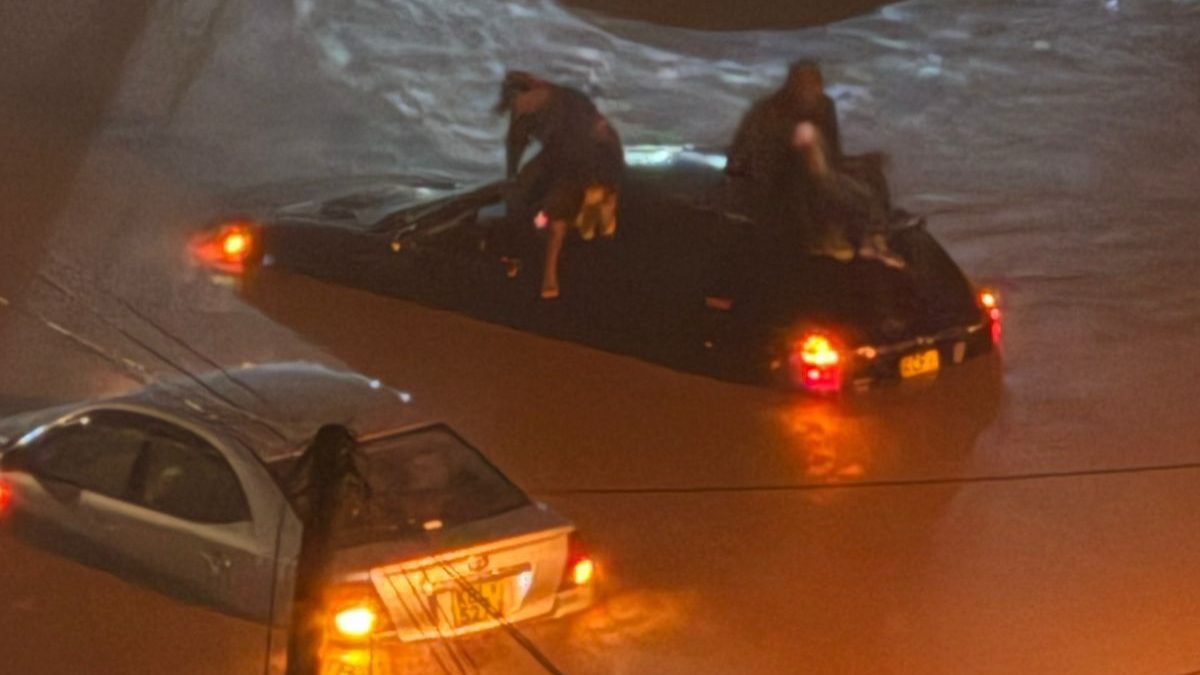
If floodwater is rising around a stationary vehicle, your safety comes first. Do not remain in a vehicle simply because you are worried about leaving it behind. Fast-moving or rising water can become dangerous very quickly.