Early signals your woman wants a baby but won’t say it openly
By David Nthua, April 17, 2026Not every major life desire is announced directly. In many relationships, conversations about children happen gradually, indirectly or through small emotional cues rather than one formal statement.
A partner may be thinking seriously about starting a family long before she says the words openly.
That does not mean anyone can read minds. It means certain patterns sometimes appear when someone is reflecting on motherhood, timing, stability and the future of the relationship.
Relationship counsellors often note that people reveal long-term hopes through behaviour, recurring topics and shifting priorities before they state them clearly.
The healthiest response is never assumption or pressure. It is an open conversation.
She talks more about the future
One common sign is a stronger focus on long-term planning. She may speak more often about where to live, financial goals, marriage timelines, school options, family values or what kind of home she wants one day.
Experts in relationship communication often view future-oriented conversations as a sign that someone is thinking beyond the present moment and evaluating readiness for the next stage of life.
It does not automatically mean she wants a baby immediately, but family planning may be on her mind.
Baby fever
Some people begin paying more attention to the children around them. She may notice babies in public, ask about friends’ parenting experiences, comment on children’s behaviour or show interest in baby-related content online.
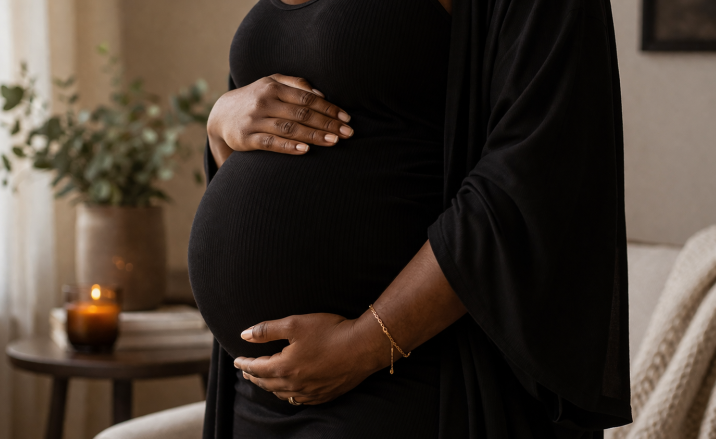
Psychologists often note that increased attention to a life stage can reflect personal curiosity or emotional readiness, especially when the topic returns repeatedly over time.
Interest alone is not proof, but repeated interest can be meaningful.
Asking deeper questions
A partner thinking about children may become more interested in how you handle responsibility, stress, money, family relationships or conflict.
She may ask how you were raised, what kind of parent you would want to be or how you feel about discipline, education and family roles.
Experts say these conversations often reflect compatibility checks. People tend to assess whether shared values exist before raising a child together.
She cares more about stability
Another early signal can be greater attention to practical matters such as savings, housing, health insurance, debt, work-life balance or daily routines.
This is not always about money alone. Many people associate parenthood with emotional and practical security, so concerns about stability may increase when they start imagining children.
She reacts emotionally to family milestones
Engagements, weddings, baby showers or friends announcing pregnancies can sometimes trigger stronger emotions than before.
That reaction may come as excitement, reflection, sadness, urgency or thoughtful silence.
Counsellors often note that life milestones in other people can make someone examine their own hopes and timeline.
She raises the topic indirectly
Instead of saying “I want a baby,” she may ask softer questions such as:
What do you think about having kids one day?
How many children would you want?
Do you think you’d be a good dad?
At what age do you think is best to start a family?
Indirect questions are often safer when someone wants to understand your position before revealing their own.
She prioritises health and lifestyle changes

Some women become more intentional about health, nutrition, sleep, medical check-ups or reducing harmful habits when thinking about future motherhood.
That can happen for many reasons, so it should not be overread. But when paired with other signals, it may reflect preparation thinking.
What matters most: ask, don’t assume
Even strong signals are not certain. Some women love children but are not ready.
Others want children later, not now. Some may feel pressure from age, family or society and still be undecided.
The most reliable answer comes from a respectful, honest discussion.
Early signals may appear through future planning, parenting conversations, emotional reactions and deeper questions about life together. But no signal is stronger than clear communication.
If the topic matters, the smartest move is not guessing what she wants. It is creating a safe space where both of you can talk openly about it.