Drought-resistant plants you can grow during water scarcity
By William Muthama, February 11, 2026Kenya is in the grip of a prolonged dry spell, with the government reporting that 3.3 million people across 23 counties are affected by drought.
As rainfall becomes unreliable, farmers and home gardeners alike are rethinking what to plant. Traditional staples like maize struggle without consistent rain, but drought‑resistant food crops can provide reliable yields with minimal water.
The following are food crops you can grow during drought or water scarcity:
Grains
One of the most dependable drought‑tolerant grains is sorghum. Known for surviving in hot, low‑rainfall conditions, sorghum is ideal for smallholder farms and kitchen gardens outside the long rainy season.
Similarly, pearl millet performs well on poor soils and with little water, making it a strong alternative to maize during dry spells.
These grains not only feed households but can be sold in local markets, providing a buffer when harvests fail.
Legumes
Legumes are central to drought resilience because many fix nitrogen in the soil and require little water. Cowpeas are fast‑maturing and can be eaten as leaves or dried for storage.
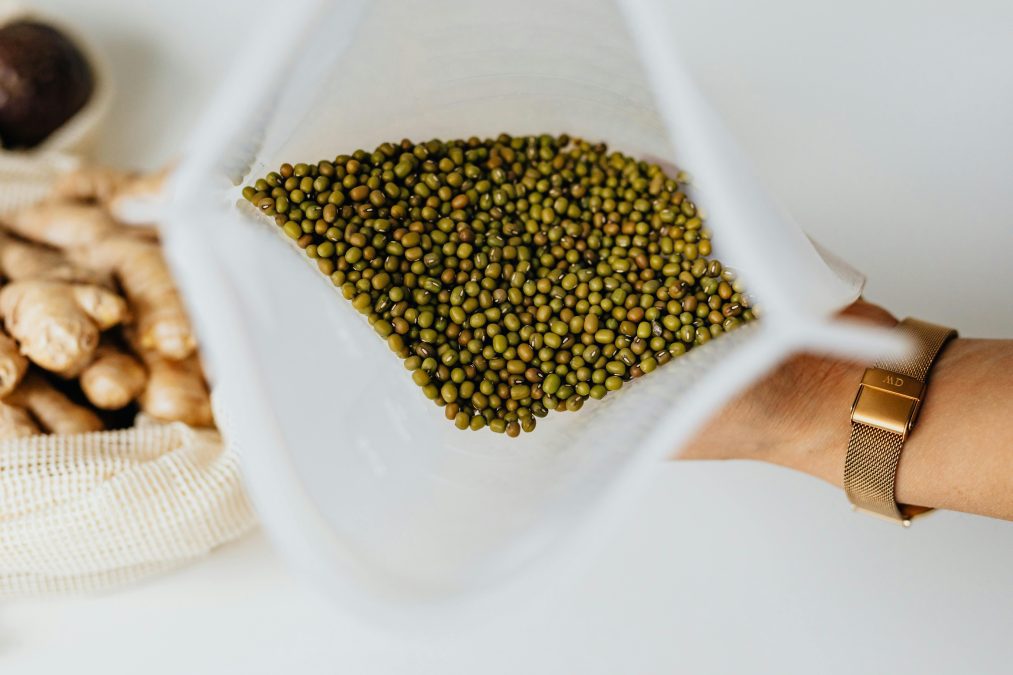
Green grams (ndengu) are another hardy option, especially suited to North and southeastern Kenya, where rainfall is erratic. Pigeon peas tolerate dry conditions while improving soil fertility, a bonus for mixed cropping.
Root crops
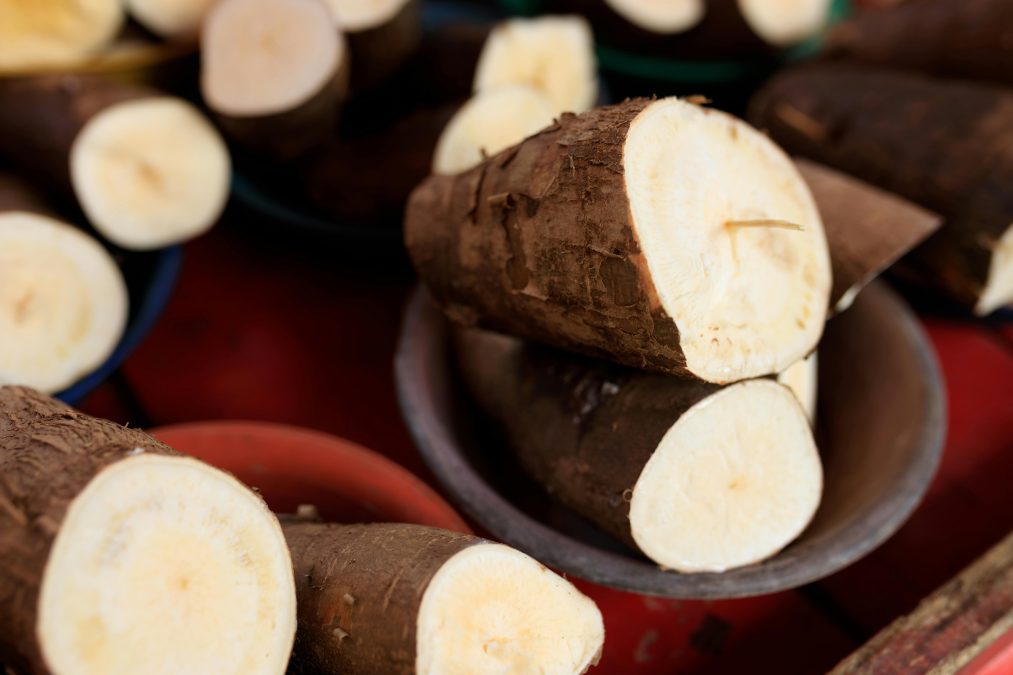
Root and tuber crops are marshalled by cassava, a staple that survives long dry stretches and continues producing edible roots with minimal irrigation.
Sweet potatoes, especially drought‑tolerant varieties, also perform well; their vines shade soil and reduce evaporation while producing nutritious tubers. Both crops are excellent for food security during failed rainy seasons.
Not all vegetables wilt in drought. Indigenous leafy greens like togotia handle dry conditions with better resilience than exotic lettuces.
They can be intercropped with other species, offering regular harvests even when water is limited.
As Kenya battles widespread drought, choosing the right food crops makes a real difference. Drought‑resistant grains, legumes, root crops, and hardy leafy vegetables require less water and are well‑suited to Kenya’s varied dryland regions.