Advertisement
Cost-effective ways of taking care of leather products
06th May, 2026 10:48 AM
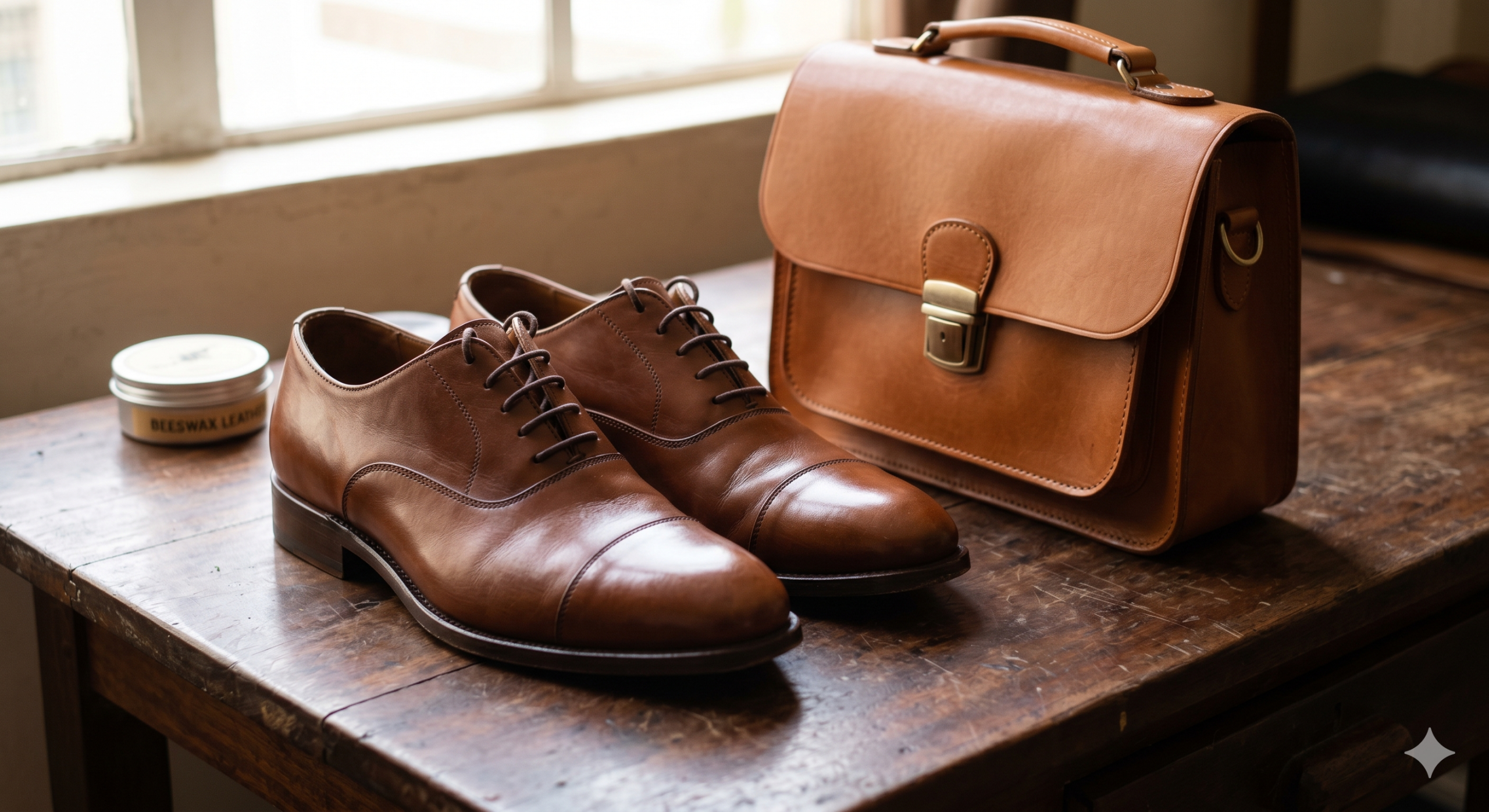
A good leather bag or a well-made pair of shoes is more than just a purchase. It is a relationship.
The people who understand that are the ones who still have the same wallet ten years on, still looking sharp. The people who do not are the ones buying replacements every two years, spending far more in the long run.
Leather rewards attention. It also punishes neglect, particularly here in Nairobi, where the climate can be your accessories’ quiet enemy.
During the long rains, humidity creeps in, and leather left untreated absorbs that moisture, softens in the wrong places and becomes a welcome home for mould.
Research published in a leather science journal puts it plainly: “The most important factors influencing the degradation of leather are temperature, relative humidity and UV radiation.” Nairobi offers all three in generous measure.
The good news is that the habits that protect leather are not complicated. They just need to be consistent.
The four things that actually matter
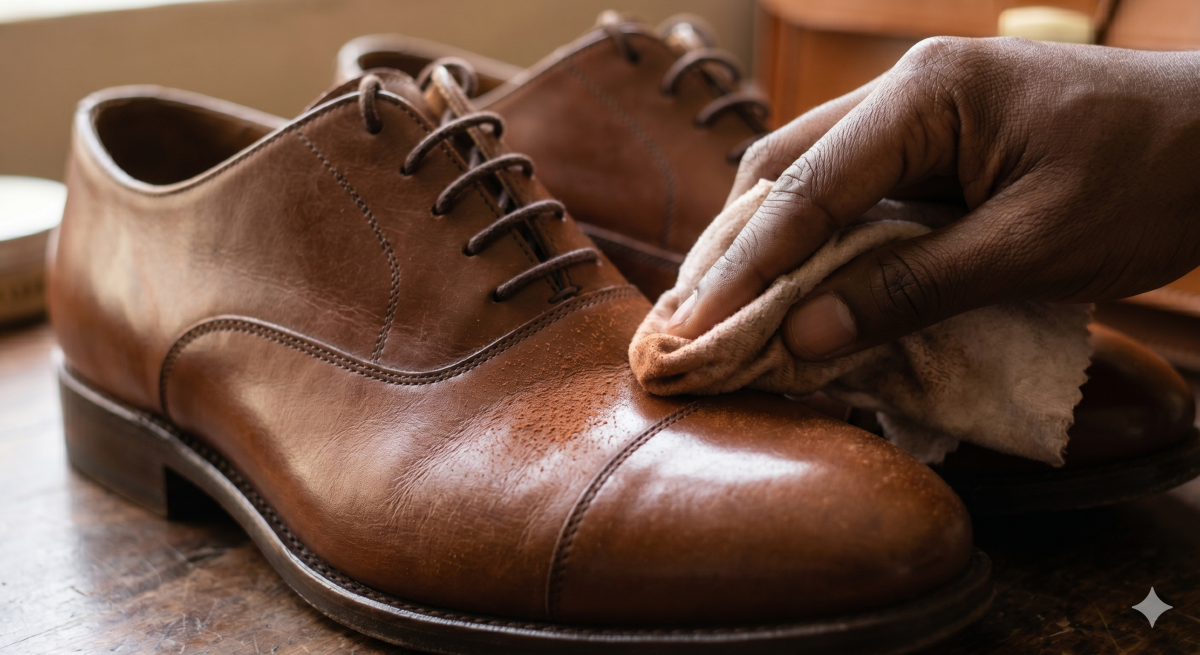
First, clean before you condition. Most people skip straight to conditioner, but applying it over dirt, dust or dried salt from sweat traps grime against the leather surface.
Use a soft, slightly damp cloth to wipe shoes and bags down after use, or at least once a week. For stubborn marks, a small amount of saddle soap works well and is available at most supermarkets and leather shops in Nairobi’s CBD.
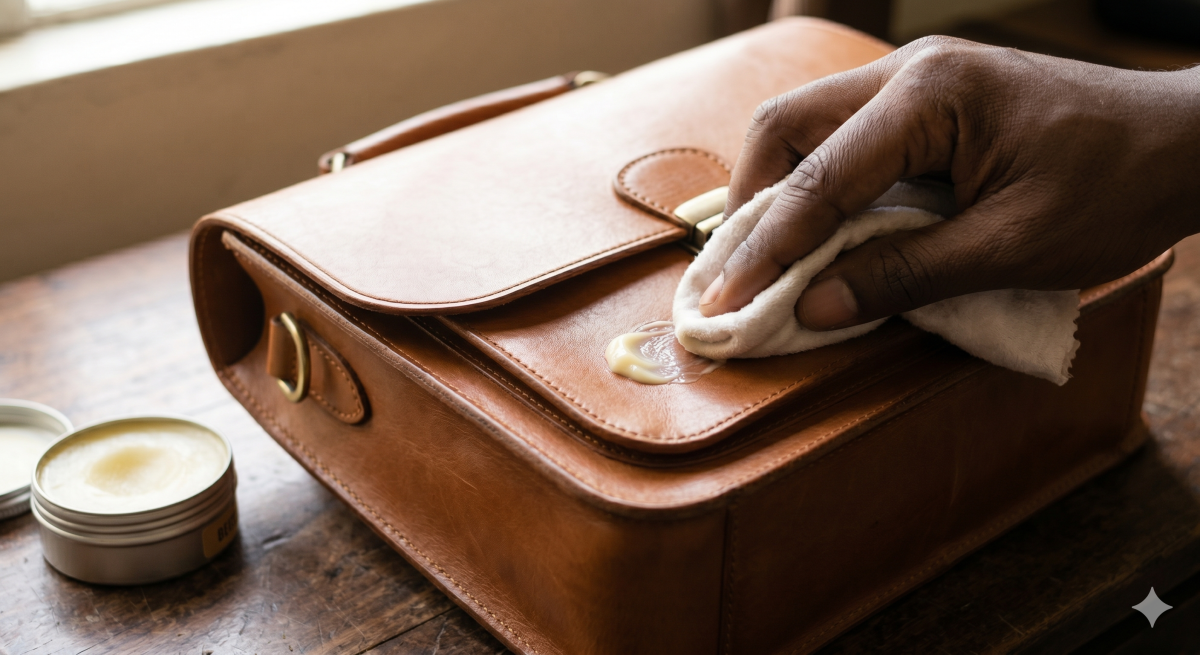
Second, condition every four to six weeks. Leather is a natural material. It dries out just like skin.
A good conditioner (look for ones with beeswax or lanolin as active ingredients) replenishes the oils that keep leather supple and crack-resistant. Apply sparingly with a soft cloth, let it absorb for a few minutes, then buff gently. A little goes a long way.
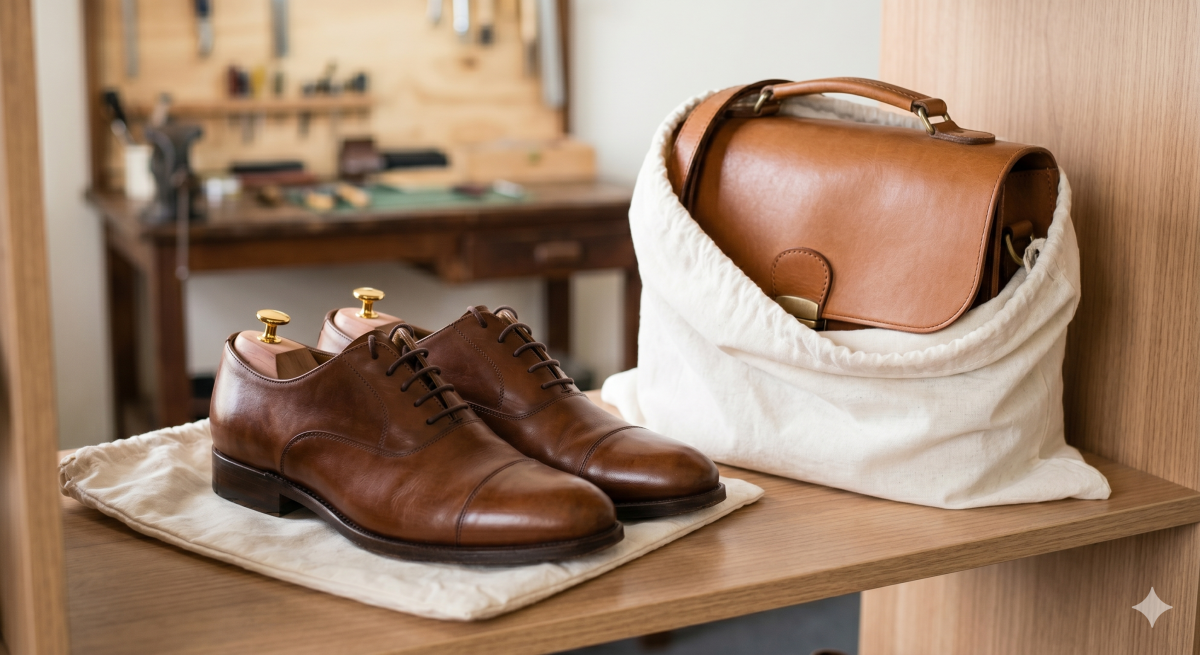
Third, store it correctly. Never leave leather shoes or bags in a polythene bag, that is exactly the airless, moisture-trapping environment mould loves. Use breathable dust bags, or simply leave items out in a well-ventilated space away from direct sunlight.
Shoe trees (cedar ones are best) help shoes hold their shape and absorb moisture from the inside. For bags, stuff them lightly with tissue paper to prevent creasing.
Lastly, repair early, not late. A small scuff buffed out now costs nothing. A sole that has started peeling, caught early, costs a shoemaker perhaps Ksh 500 to reseal.
The same sole left until it separates completely means a full re-sole or a retired shoe. Nairobi has excellent cobbling and leather repair services; use them before the damage becomes irreversible.
The broader case for caring for leather goes beyond your wallet.
A ScienceDirect study on leather durability found that “its durability and quality not only ensure the longevity of products but also support the rise of practices like second-hand use and upcycling”, a reminder that a well-kept leather piece holds value for someone else long after you have finished with it.
Buy well, maintain faithfully, repair promptly. That is the whole strategy.