Advertisement
Best laptop buying guide 2026: How to choose the right laptop for students, work and gaming
25th March, 2026 12:32 AM

Buying a laptop today can feel overwhelming. There are so many options, and most of them look almost the same at first glance.
Many people end up choosing based on brand or price, only to realize later that the laptop cannot handle what they actually need.
The smarter way to approach this is simple. Start by understanding your needs, then match those needs with the right specifications.
Once you get this part right, everything else becomes easier.
Start with your main use
Before looking at specs or prices, think about what you will be using the laptop for most of the time. This matters more than anything else.
If you are a student, your needs will be different from someone working in an office.
If you are into gaming or video editing, then you need more power compared to basic users.
Once you are clear on this, you avoid wasting money or buying something that struggles after a few months.
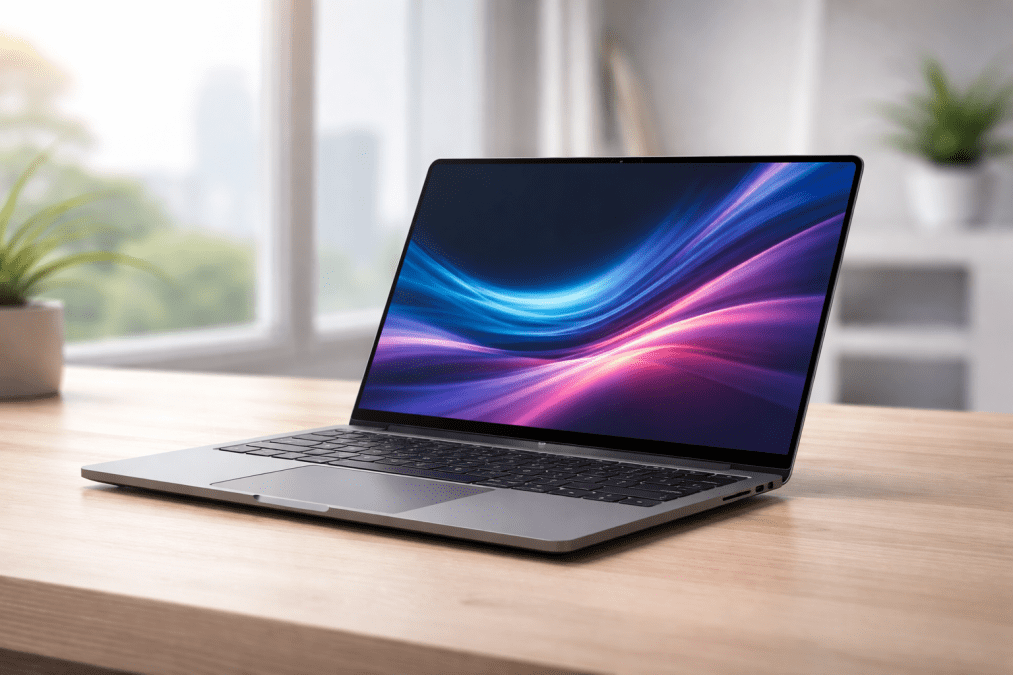
Choosing a laptop for students
For students, the focus should be on reliability, portability, and battery life.
You need a laptop that can handle assignments, research, browsing, and online classes without slowing down.
A good student laptop should have at least a mid level processor like Intel Core i5 or AMD Ryzen 5
It should also come with 8GB RAM and SSD storage, preferably 256GB or 512GB.
These specs are enough to keep things running smoothly without lag.
Battery life also matters. A laptop that can last most of the day without constant charging makes life easier, especially when moving between classes or studying in different places.
Choosing a laptop for work
For work, performance becomes more important. You may be dealing with multiple applications at once, attending meetings, handling documents, or even doing light design or coding.
In this case, a stronger processor like Intel Core i5 or i7, or AMD Ryzen 5 or 7 works well. RAM should be at least 8GB, but 16GB is better if your work involves heavier tasks.
Storage should be SSD, ideally 512GB for enough space and speed.
A comfortable keyboard, good screen quality, and solid build also matter because you will be using the laptop for long hours. These are things many people overlook until it becomes a daily struggle.

Choosing a laptop for gaming and heavy tasks
Gaming and heavy tasks like video editing or 3D design require more power. A basic laptop will not handle these smoothly.
You need a high performance processor such as Intel Core i7 or AMD Ryzen 7, combined with at least 16GB RAM. Storage should be SSD, preferably 512GB or more.
The most important part here is the graphics card. A dedicated GPU like NVIDIA RTX or AMD Radeon is what allows games and heavy applications to run properly. Without it, performance will be limited.
These laptops are usually heavier and may not have the best battery life, but they make up for it with power.
Understanding key components
Every laptop is built around a few key parts, and understanding them helps you make better decisions.
The processor acts as the brain, controlling how fast tasks are handled.
RAM determines how smoothly you can run multiple applications at once. Storage affects speed and space, with SSD being the better option for modern use.
Battery life is important if you move around a lot, while the display affects how comfortable it is to use the laptop for long periods.
Things people often ignore
Some of the most important features are often ignored during purchase. The keyboard should feel comfortable, especially if you type a lot.
The number of ports matters if you use external devices. Build quality affects how long the laptop lasts.
Cooling is another factor. A laptop that overheats easily will slow down over time and may not last as long.
Budget wisely
It is important to set a realistic budget. Going too cheap often leads to frustration later, especially when the laptop starts slowing down.
At the same time, spending too much on features you will never use is not necessary.
Think about how long you want the laptop to serve you. A slightly higher budget for better specs can save you from upgrading too soon.
Takeaway
Choosing the right laptop is not about picking the most expensive model or the most popular brand.
It is about understanding your needs and matching them with the right specifications.
Once you get that balance right, you end up with a laptop that supports your daily tasks smoothly and lasts longer without giving you problems.