All Saints’ Cathedral forum disruption: 5 lessons every Kenyan should learn
By David Nthua, June 13, 2026The All Saints’ Cathedral attack in Nairobi has left many Kenyans shocked and concerned about safety at public gatherings.
CCTV footage that circulated online showed moments of panic after unknown individuals disrupted a public forum that had been organised to discuss the national budget.
While investigations into the incident continue, the event has sparked a broader conversation about public safety, event security and the need for peaceful engagement in a democratic society.
Beyond the headlines, the All Saints’ Cathedral disruption offers valuable lessons that every Kenyan can apply when attending church services, conferences, political meetings, concerts, funerals, public participation forums and other large gatherings.
Here are 10 important safety lessons from the All Saints’ Cathedral attack that remain relevant long after the news cycle ends.
1. Event security is essential for every public gathering
One of the biggest lessons from the All Saints’ Cathedral attack is that security should never be treated as an afterthought.
Whether an event is religious, social, educational or political, organisers have a responsibility to put in place adequate security measures.
Security personnel, access control, emergency response plans and crowd management systems can help prevent incidents from escalating.
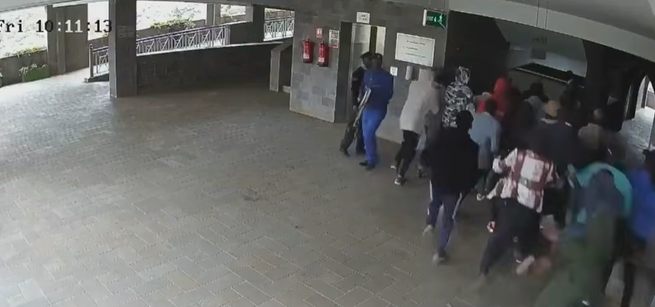
Strong event security creates an environment where people can participate freely and safely.
2. Always remain alert in public spaces
Personal awareness is one of the most effective forms of public event safety.
Whenever you attend a gathering, take a few moments to familiarise yourself with the venue.
Know where the exits are located, observe your surroundings and remain aware of unusual behaviour.
Many safety experts agree that situational awareness often provides the first warning that something is wrong.
3. Know your emergency exits before an event begins
A common mistake people make is waiting until an emergency occurs before looking for an exit.
Whether you are attending a church service, conference or public forum, identify the nearest exits immediately after arriving. In an emergency, knowing where to go can save valuable seconds and help prevent injuries caused by panic.
Emergency preparedness begins with simple actions.
4. Violence is never a solution to disagreement
The All Saints’ Cathedral attack also highlights an important social lesson.
People will always hold different opinions about politics, religion, leadership and public policy.
However, disagreements should be resolved through dialogue, debate and lawful processes rather than intimidation or violence.
Healthy societies thrive when ideas compete peacefully.
5. Politics should not divide communities
Political competition is a normal part of democracy.
However, political differences should never destroy friendships, families, places of worship or community relationships.
Kenyans often share the same hopes for better healthcare, education, jobs and economic opportunities, even when they support different leaders.
Respecting differing opinions is one of the foundations of national unity.
6. Public participation strengthens democracy
The disruption of a public forum serves as a reminder that citizen engagement remains important.
Public participation allows ordinary citizens to express their views on issues that affect their lives, including taxation, healthcare, education, infrastructure and governance.
When citizens participate peacefully and responsibly, democracy becomes stronger and more accountable.
How can you stay safe at a public event?
Public event safety begins long before an emergency occurs. Experts often recommend:
- Arriving early and familiarising yourself with the venue.
- Identifying emergency exits.
- Keeping your phone charged.
- Staying aware of your surroundings.
- Avoiding confrontations during tense situations.
- Following instructions from security personnel.
- Leaving immediately if conditions become unsafe.
These simple public gathering safety tips can reduce risk and improve personal security.
Why is event security important?
Event security helps protect attendees, organisers and property while ensuring gatherings proceed peacefully.
Effective event security can prevent disorder, improve crowd safety, support emergency response efforts and create a safer environment for everyone involved.
As the All Saints’ Cathedral attack demonstrates, safety planning should be considered a necessity rather than an optional extra.