5 risky businesses to start in 2026
By David Nthua, January 12, 2026Kenyans, like their colleagues around the world, are hardworking and love working for their sweat.
Every day, from 5:00 am to late at night, people wake up to hustle, open shops, push carts, run online pages and take risks in business. In 2026, many will still be looking for side hustles and small enterprises to grow their income.
However, not every profitable-looking business is safe. Some come with hidden dangers that can wipe out your money, peace of mind, or even your freedom.
Here are 6 risky businesses that many Kenyans rush into without fully understanding what they are getting into.
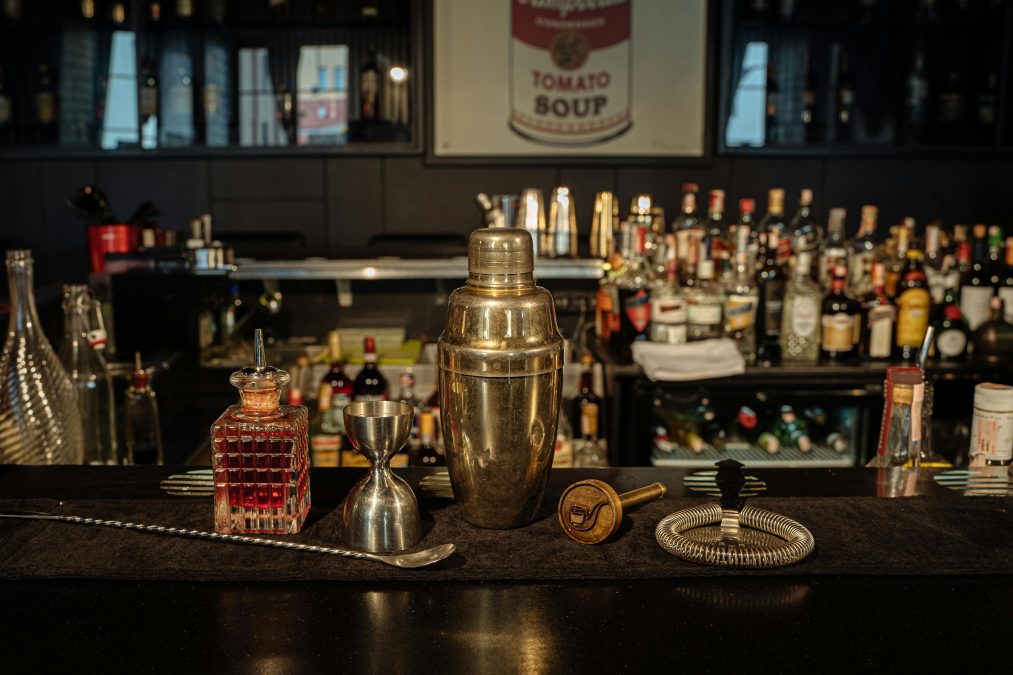
1. Wines and spirits shops
Selling alcohol may look like easy money, especially in busy estates and towns. Customers are always there, and cash moves fast.
But behind that busy counter is a business full of danger. Wine and spirits shops attract crime. Drunk customers fight, steal, and sometimes get injured inside the premises. If someone is harmed, the owner can be held responsible.
Security agencies also constantly target alcohol businesses. Many owners talk about harassment, sudden closures, and frequent demands for “something small.” On top of that, employees steal. Some take bottles home, others sell secretly, and some pocket cash.
Alcohol is also blamed for deaths and accidents. One serious case can land you in court. It is a business that appears profitable but carries significant emotional and legal risks.
2. Pool table businesses
Pool tables attract crowds, especially young men looking to relax and pass the time. On good days, the place looks full and lively.
But it is one of the most stressful small businesses you can run. You can open your safe one morning and find it empty even after a busy day. Robbery is common.
Cue sticks break, balls disappear, and customers damage the table. Many players refuse to pay after losing.
Arguments and fights are common, especially when alcohol is involved. Repair and replacement costs slowly eat into your profits.
What looks like a fun business can quickly turn into a financial headache.
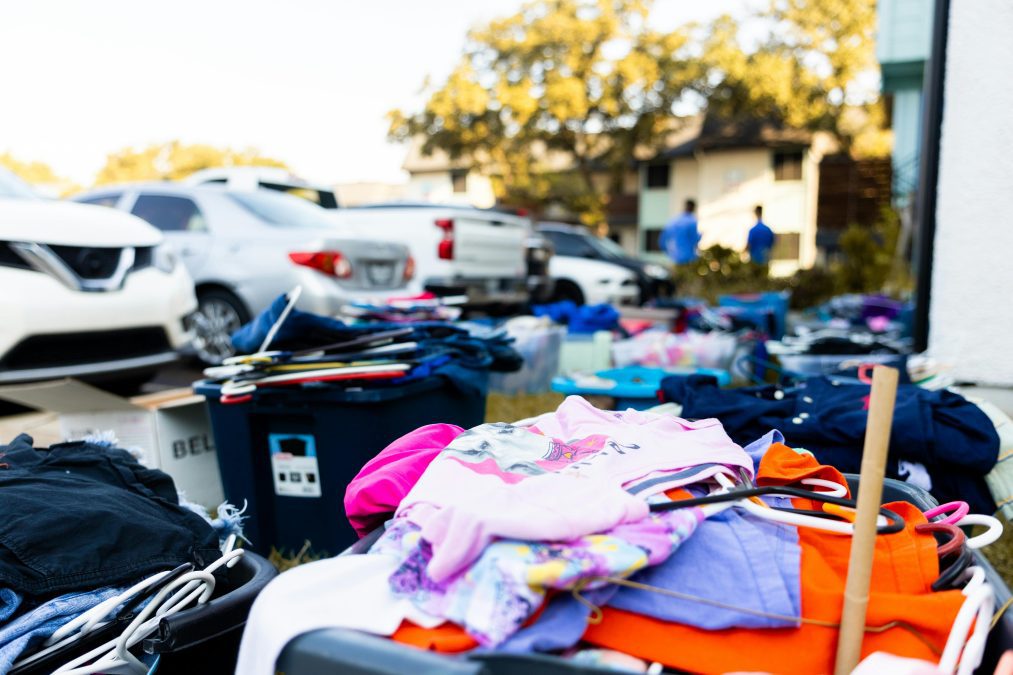
3. Mtumba clothes
Selling second-hand clothes is popular in Kenya. It looks simple. Buy a bale, sell piece by piece, and make a profit.
The problem is harassment. County askaris, often called kanjos, are known to chase, confiscate goods, or demand money, especially in big towns.
Even if you try to follow the rules, you may still be targeted. Sometimes your clothes are taken, and you never get them back.
On busy days, traffic officers also arrest hawkers for blocking roads. Without a wholesale licence and a proper shop, this business becomes a daily game of cat and mouse with the authorities.
4. Kibandaski cafes
Small food kiosks are popular with students and workers who want fast, affordable meals. Chips, eggs, smokies, tea and rice move fast. But food is risky. One day of spoiled stock can wipe out all the profit you made the whole week.
There is also the danger of food poisoning. Without professional training, hygiene mistakes happen. A single customer falling sick can bring trouble, a bad reputation, or even police cases. Many small cafes collapse not because of a lack of customers, but because of one health scare or wasted stock.
5. Daycare centres
Daycares look like a growing business in Kenya, especially in estates where parents go to work early. But caring for children comes with huge responsibility. Babies cry, fall, get sick, and need constant attention.
One small mistake can turn into a nightmare. A child can get injured, lost, or worse. Even when you do your best, accidents happen.
Parents are emotional about their children, and one incident can destroy your business and your peace forever.