Advertisement
Untold story of Asumbi Catholic Church and Kenya’s first indigenous nuns
10th September, 2025 06:02 PM
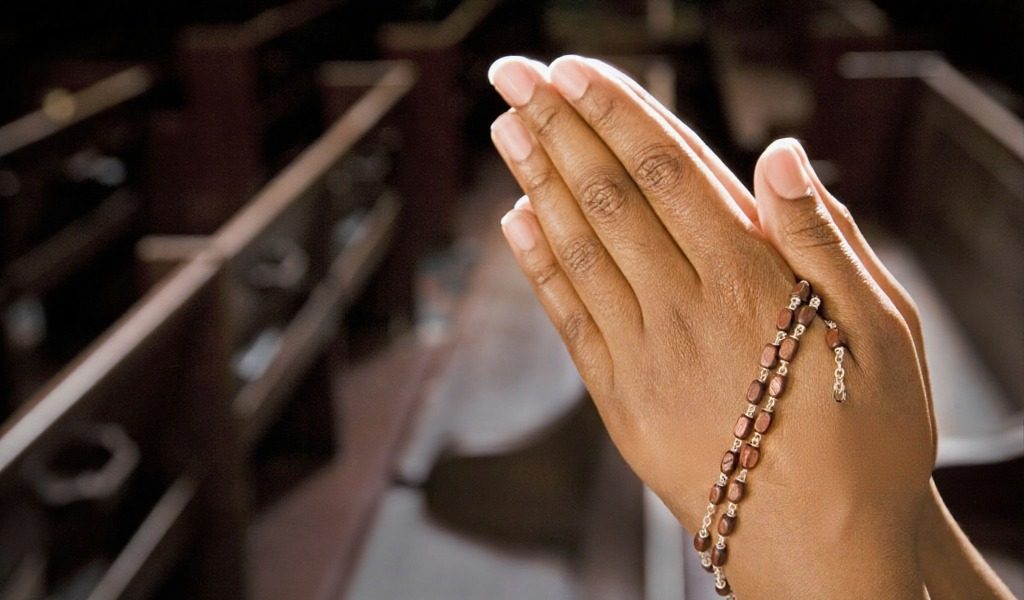
Tucked in the gentle hills of Homa Bay County stands Asumbi Catholic Church, one of Kenya’s most enduring mission sites.
For more than a century, it has been a sanctuary of prayer, a hub of education, and the birthplace of Kenya’s first indigenous nuns.
To many Kenyans, the story of Asumbi is not just about bricks and mortar. It is about resilience, faith, and the women who dedicated their lives to shaping the community.
From grass thatch to a brick landmark
The history of Asumbi dates back to 1912 when Fr Philip Scheffer, known locally as Odero Wuon Got, arrived from Ojola across Lake Victoria. By 1915, believers had put up a grass-thatched church.
Two years later, it was burned down. But this setback only strengthened the mission. In 1919, Fr. Hotsman carried samples of Asumbi’s red soil to Europe to test its strength for brick-making.
With the help of local Christians, thousands of bricks were moulded, and by 1928, the imposing red-brick church was opened.
Today, its Victorian-style architecture, green roof, tall nave, and stained-glass windows remain a proud heritage site.
At the gate, the stone carving of Fr. Scheffer reminds worshippers of the sacrifice and vision that gave birth to Asumbi.
The rise of indigenous sisters
Beyond architecture, Asumbi became famous for nurturing Kenya’s first indigenous nuns. In the 1930s, the Franciscan Sisters of St Joseph (FSJ) were founded here.
Young catechumen girls, then known as Bawezi, answered the call to service. They went on to establish schools, hospitals, and social centres that transformed lives.
Institutions like Asumbi Girls National School, Asumbi Teachers Training College, St Teresa’s Primary, and Asumbi Mission Hospital all trace their roots to the work of the sisters. Their story is one of courage, discipline, and faith-driven leadership.
Why Asumbi Catholic sisters are trending in Kenya
This month, Asumbi Sisters found themselves at the centre of national attention.
A viral video shared widely online showed an older nun assaulting a younger colleague at St John’s Rakwaro Minor Seminary.
In the clip, the younger nun can be heard pleading, “Why are you beating me, Sister?”, words that shocked many Kenyans.
The Superior General of FSJ, Sr Mary Goretty Ochieng, condemned the incident, calling it “deeply regrettable” and stressing that it does not represent the congregation’s values.
The Association of Sisterhoods of Kenya (AOSK) and safeguarding offices at Tangaza University have also confirmed that the matter is being addressed through internal procedures.
For many Kenyans, the incident was painful to watch because the Asumbi Sisters are widely respected for their role in shaping education and faith. The leadership of FSJ has assured that the matter will be resolved with fairness and accountability.
A living heritage in Homa Bay
Even with the current controversy, Asumbi Catholic Church remains a living heritage. Every Sunday, its antique bell rings across the valleys, calling the faithful to prayer. The red steel doors decorated with white crosses, the weathered benches, and the graves of priests and nuns all whisper stories of devotion.
Pilgrims and visitors continue to troop in, curious not only about the history but also about the congregation of sisters that has served Kenya for nearly a century.
The trending video may have cast a shadow, but it cannot erase the bigger story of Asumbi.