Is Ruto’s visa-free policy affecting Kenya’s passport ranking?
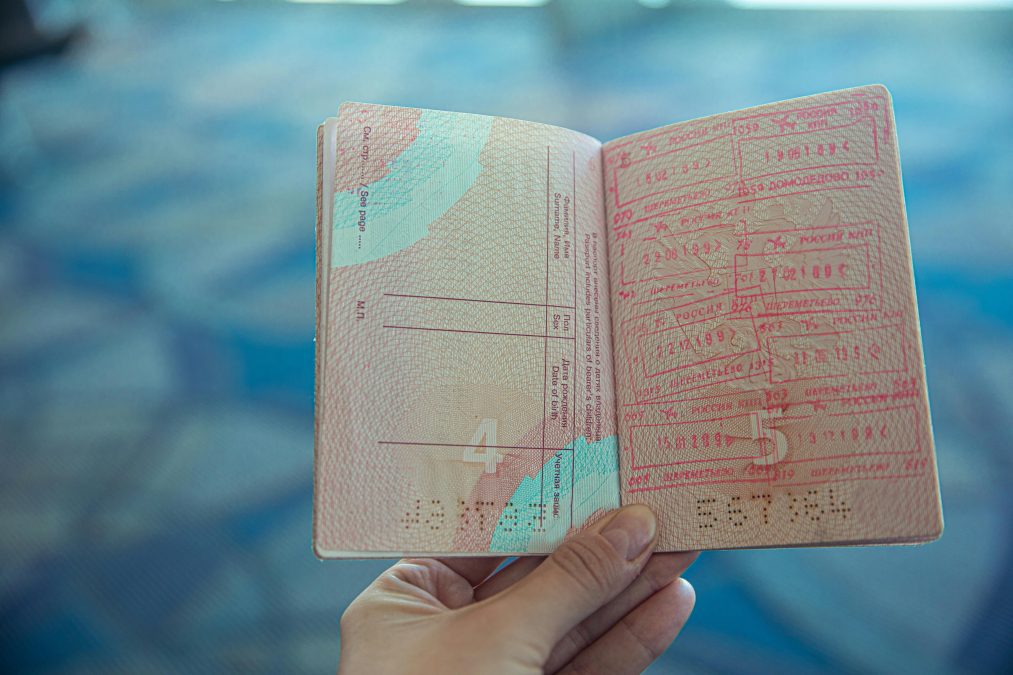
By Aloys Michael, October 15, 2025The Kenyan passport has maintained its steady decline, dropping to 73rd in the latest Henley Passport Index.
This means that the Kenyan passport has dropped five positions from its 68th position at the beginning of 2025.
Importantly, the Henley Passport Index compares the visa-free access of 199 different passports that grant access to 227 travel destinations globally.
Also watch: Mudavadi seals landmark visa-free agreement with Benin.
According to the latest ranking, holders of the Kenyan passport can travel visa-free to only 70 destinations worldwide. Of these 70 countries, none of them is in the European Schengen area.
The majority of these visa-free destinations, however, are in Southern and East African nations, including the entire East African Community region.
Over the past two decades, the highest the passport has been ranked is 55th in 2006, while the lowest it has hit is 77th in 2021.
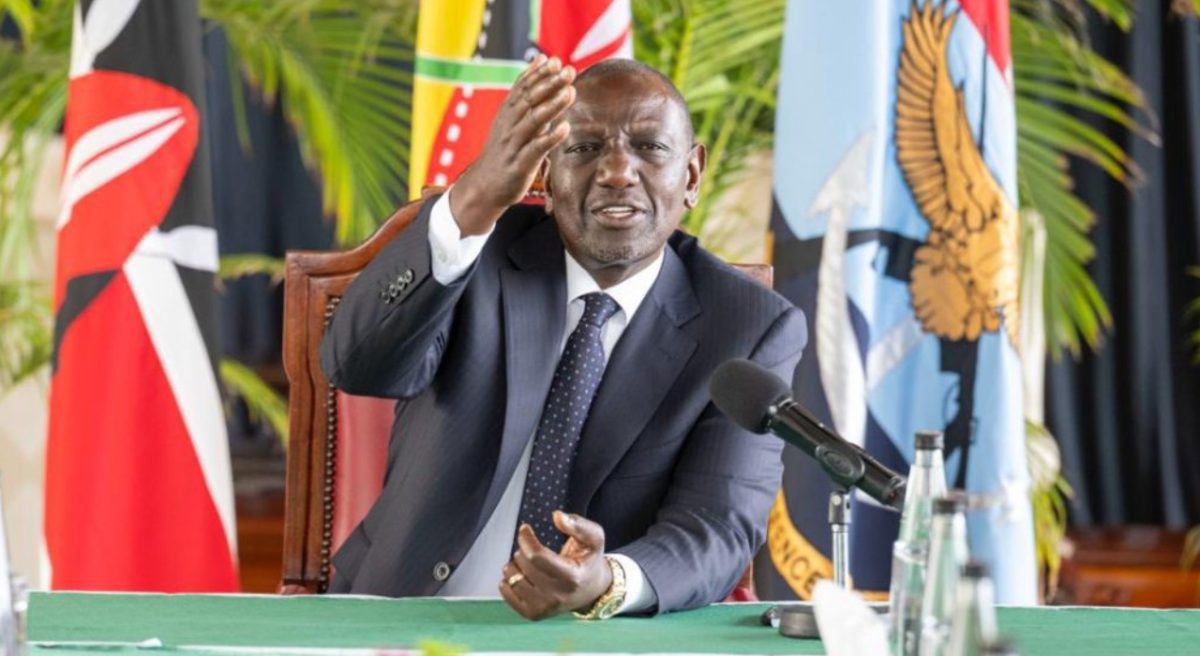
This latest ranking comes just months after President William Ruto announced his commitment to have Kenya become a visa-free country to attract more foreign nationals into the country to boost the economy.
In 2024, he introduced the Electronic Travel Authorisation (ETA) to be issued to all visitors entering the country. The cost of the ETA was set at Ksh4,600.
According to the President, the decision to abolish visa requirements followed the scientific discovery that Turkana County was the cradle of mankind.
Also watch: Ruto criticised for rushing in the implementation of the directive on visa-free for all visitors.
Why drop ranking?
In July 2025, Ruto finally fulfilled his promise of a borderless Africa, scrapping all Electronic Travel Authorisation (eTA) requirements for all African countries except Libya and Somalia.
The implementation of this directive means that citizens of these countries can enter the country without prior authorisation, except for Libya and Somalia, due to security reasons.
While the policy shift has positioned Kenya as a more accessible destination mainly for African travellers, it has not strengthened its power globally.
This imbalance between inward openness and outward restrictions likely contributes to the country’s declining ranking.
The Henley Passport Index is based on how many destinations a passport holder can access without a visa, and Kenya’s approach does not influence how other countries treat Kenyan citizens at their borders.
Therefore, while Ruto’s visa-free agenda may enhance tourism and regional integration, it is not currently improving Kenya’s international mobility.
If other countries do not embrace Kenya’s open-border policy, the passport ranking could continue to drop, undercutting the broader goal of positioning Kenya as a globally integrated state.