Advertisement
Climate change and malaria: How rising temperatures are shifting the disease’s reach
20th August, 2025 06:25 AM

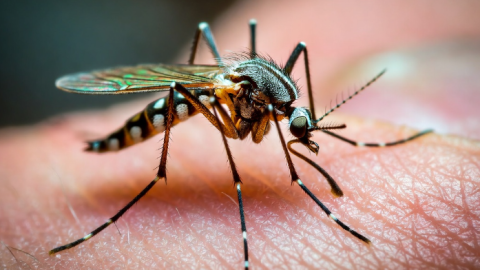
For decades, malaria has been associated with lowland tropical regions where warm temperatures and seasonal rains create ideal conditions for mosquitoes to breed. However, climate change is beginning to alter this familiar pattern.
Rising temperatures, erratic rainfall, prolonged floods, and changing humidity levels are expanding the environments in which malaria-carrying mosquitoes can survive, exposing new communities to the disease and complicating efforts to eliminate one of Africa’s deadliest public health threats.
According to the World Health Organisation (WHO), climate is one of the major factors influencing malaria transmission.
Temperature affects how quickly mosquitoes reproduce and how rapidly the malaria parasite develops within them. Increased rainfall can create more breeding sites, while floods often leave stagnant pools of water where mosquitoes thrive.
In some regions, warmer conditions are extending malaria transmission seasons and increasing the risk of outbreaks in areas that were once considered relatively safe.
Emerging risks in Kenya
In Kenya, where malaria remains one of the leading causes of illness and death, the effects of climate variability are becoming increasingly evident.
Counties around Lake Victoria continue to bear the highest burden of the disease, but health experts have also observed changing transmission patterns in parts of the highlands, where cooler temperatures previously limited mosquito survival.
As weather patterns become less predictable, health systems must adapt to emerging risks while maintaining control efforts in traditional malaria hotspots.
Communities in these vulnerable areas often face multiple challenges. Poor access to healthcare, limited disease surveillance, and inadequate housing can increase exposure to malaria, making climate-related changes even more difficult to manage.
Economic burden of malaria
The impact of malaria extends beyond health. The disease places a heavy economic burden on households through medical expenses, lost income, and school absenteeism.
Families already struggling with the effects of climate change, including drought, crop failure, and food insecurity, often face repeated malaria infections that deepen poverty and reduce productivity.
Children and pregnant women remain among the most vulnerable, with recurring infections affecting education, nutrition, and overall well-being.
Adapting to a new reality
Scientists caution that climate change alone does not determine where malaria occurs. Access to healthcare, effective mosquito control programmes, quality housing, environmental management, and public awareness all influence transmission.
Nevertheless, changing climatic conditions are increasing the complexity of malaria control and require governments to integrate climate science into disease surveillance and response strategies.
Across Africa, governments, researchers, and development partners are strengthening early warning systems that combine weather forecasts with malaria surveillance data to predict outbreaks before they occur.

Community health workers continue to play a vital role by promoting the use of insecticide-treated mosquito nets, encouraging early diagnosis and treatment, and educating households on malaria prevention.
As the climate continues to change, the fight against malaria must evolve alongside it. Protecting vulnerable communities will require stronger investment in research, resilient healthcare systems, climate-informed public health planning, and sustained community engagement.
The battle against malaria is no longer only about controlling mosquitoes it is increasingly about understanding how a changing climate is reshaping one of the world’s oldest and most persistent diseases.
Addressing these interconnected challenges will be essential if Kenya and other malaria-endemic countries are to sustain progress toward malaria elimination while building resilience against the impacts of climate change.
Author
William Muthama
William Muthama is a digital journalist with a focus on entertainment, human interest, and current affairs. Share stories: [email protected]/ [email protected]
View all posts by William Muthama