Explained: The dilemma Kenyans face when choosing gadget repair services
By David Nthua, November 26, 2025It happens without warning. Your phone slips from your hand, and the screen shatters. Your laptop refuses to power on just when deadlines are approaching.
Your tablet suddenly starts overheating for no clear reason. As frustration sets in, another problem quickly follows.
Where do you take it for repair?
For many Kenyans, this is not a simple choice. It is a daily struggle between official service centres and ordinary repair technicians.
One promises safety and professionalism. The other offers speed and affordable prices.
Both feel convincing. Yet both come with their own problems.

The comfort of official service centres
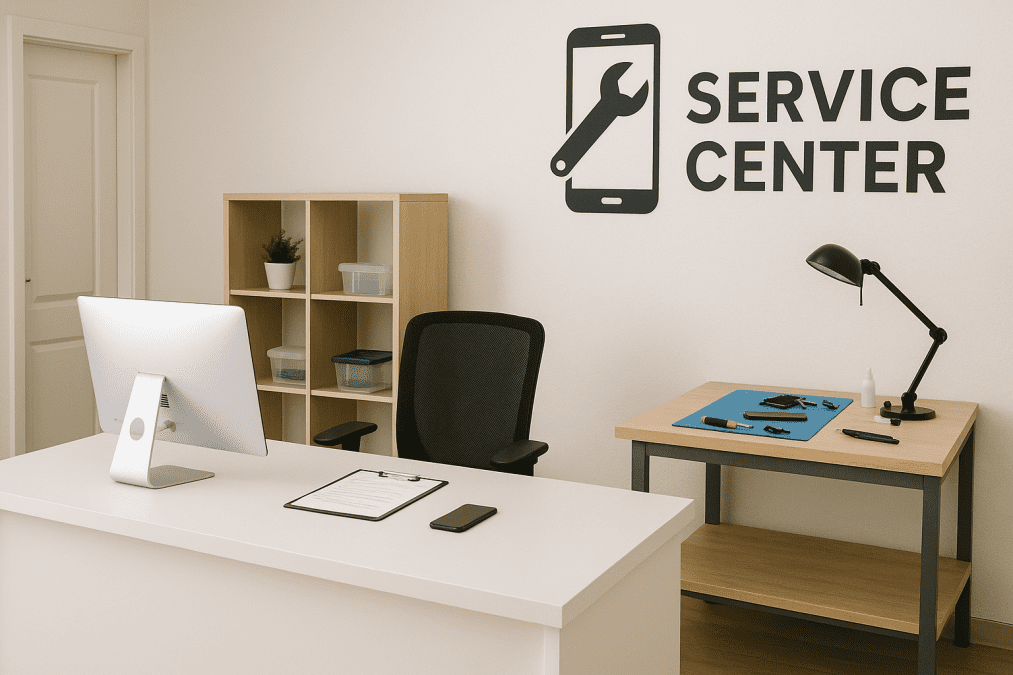
Official repair centres are calm, organised, and professional. You receive a receipt, a job number, and a clear breakdown of what will be done.
Your gadget is inspected properly, and parts are replaced using approved components.
The biggest comfort is the warranty. Most centres offer three to six months of cover if the same problem returns.
You also benefit from extra care. Phone screens are often fitted with a new protector. Charging ports are cleaned. Software is updated.
For laptops, internal dust is removed using special air tools, improving performance and cooling.
However, this reassurance comes at a price. Repairs can cost almost three times more than ordinary technicians charge.
A simple screen replacement that costs KSh 3,000 outside may be quoted at KSh 9,000 or more.
For someone facing daily bills, rent, and food costs, this pricing feels painful and sometimes impossible.
The attraction of ordinary repair technicians
Local technicians are everywhere. In cyber cafés, roadside stalls, estate corners or even streets like Luthuri Avenue in Nairobi.
They offer quick fixes and wallet-friendly prices. You can even bargain, making the service feel personal and flexible.
This option feels like relief, especially when money is tight. But it carries risks that many only realise later.
There is no warranty. If the repair fails after a few days, you must pay again or walk away.
Some technicians use fake or low-quality spare parts, especially screens and batteries.
They may look perfect at first, but soon fade, crack, or stop responding properly. There is also the serious risk of internal parts being swapped.
Original RAM, chips, or storage components may be secretly replaced with weaker or outdated versions.

The silent fear behind every decision
This is where the real dilemma sits. You want to save money, but you fear being short-changed.
You want safety, but you cannot afford the service centre. Every choice feels like a gamble.
Some people mix the two approaches. They choose official centres for serious repairs and local technicians for minor issues.
Others rely entirely on ordinary repair shops, trusting in luck and personal recommendation.
Sadly, some only learn through loss and disappointment.