Advertisement
Energy Drinks: The health risks you didn’t know about
23rd August, 2025 09:44 PM

Energy drinks have become a staple for many seeking a quick boost during long workdays, study sessions, or intense workouts. Marketed as products that enhance focus, alertness, and performance, they are often seen as harmless pick-me-ups.
Walk around the streets of Kenya, and it’s common to see people with a bottle of their favourite energy drink in hand, but most don’t realise the potential health risks lurking behind these brightly colored cans and bold advertising.
Heart risks
Scientific studies indicate that energy drinks can place a significant strain on the cardiovascular system.
According to research conducted by the National Centre for Biometric Information, the neurostimulant properties of these beverages, primarily caffeine, can elevate heart rate and blood pressure, sometimes triggering arrhythmias.
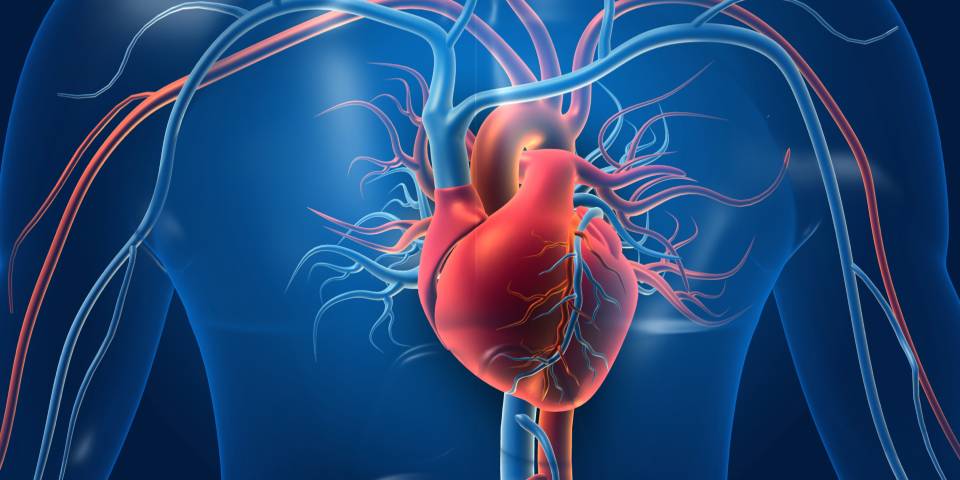
In extreme cases, acute or chronic consumption has been linked to cardiac arrest, with some instances proving fatal.
“Energy drinks may induce sudden changes in blood pressure and heart rhythm, especially in young adults and athletes,” the study notes.
Regular consumption of multiple cans a day increases these risks, particularly when combined with other stimulants or intense physical activity.
Nervous system effects
Beyond the heart, energy drinks can also impact the nervous system. Ingredients such as taurine, guarana, and L-carnitine, often combined with high caffeine levels, stimulate alertness but can provoke anxiety, nervousness, and insomnia.
Experimental studies have shown overlaps between human case reports and animal models, suggesting that excessive intake can disrupt neurotransmitter activity and cognitive function.
The research emphasises that “high doses of caffeine and combined stimulants may impair neurovegetative control, leading to tremors, agitation, and other neurological disorders.” For teenagers and young adults, whose brains are still developing, these effects may be more pronounced.
Long-term health concerns
Energy drinks are not only a short-term concern but also pose long-term health risks. Frequent consumption has been associated with gastrointestinal issues, dehydration, kidney stress, and even metabolic disturbances.
The same study urges stricter limits on energy drink intake than for general caffeine consumption and calls for regulations to govern the marketing and sale of these products.

Experts also caution against the combination of energy drinks with alcohol, which can mask intoxication, increasing the likelihood of risky behaviors.
The high sugar content of many popular brands adds another layer of concern, potentially contributing to obesity, diabetes, and other chronic conditions.
While marketed as harmless stimulants, energy drinks carry well-documented risks that require public awareness.
Consumers should monitor their intake carefully, consider healthier alternatives for boosting energy, and adhere to recommended guidelines. As the study concludes, “regulations and education are key to preventing serious health consequences, especially among vulnerable youth populations.”
Author
William Muthama
William Muthama is a digital journalist with a focus on entertainment, human interest, and current affairs. Share stories: [email protected]/ [email protected]
View all posts by William Muthama