Advertisement
Costly common mistakes Kenyans make when buying laptops
19th August, 2025 01:56 PM

Buying a laptop in Kenya today can feel like navigating a maze. From the flashy promotions in electronics shops to endless online options, it is easy to get confused or even misled.
Many Kenyans end up regretting their purchase just a few weeks later. The problem? Most people focus on the wrong things when choosing a laptop.
Below are three common mistakes many Kenyans make when buying laptops, and what you should be paying attention to if you want value for your money.
Preferring a laptop based on brand alone
Many Kenyans are loyal to big names like HP, Dell, Lenovo, or Apple. Some walk into a store and say they want “a Dell” without even checking the model or specs.
While brands do matter for warranty and after-sales support, the truth is that even top brands release weak models from time to time.
For example, a laptop with a low-end Intel Celeron or Pentium processor will struggle to run basic applications, even though the logo is familiar.
On the other hand, a lesser-known brand might offer better performance and value for the same price.
What matters is the processor, RAM, and storage type. A laptop with an Intel Core i5 or i7 (11th Gen or later), 16GB RAM, and a solid-state drive (SSD) will serve most users well, regardless of the brand.
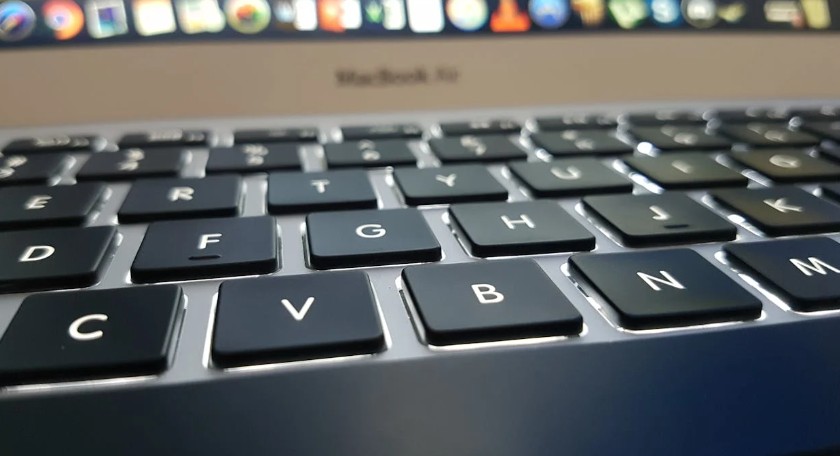
If you are buying for school, light office work, or browsing, go for an Intel Core i5 or AMD Ryzen 5.
Avoid Intel Celeron or Pentium processors unless your budget is extremely tight and your needs are basic.
Wrong laptop size
A 17-inch laptop might look attractive in a shop, but carrying it around public places or squeezing it into a backpack becomes a struggle.
At the same time, buying a tiny 11-inch laptop can lead to frustration if you work long hours or need to multitask.
Many Kenyans buy based on what looks “big” or “cheap,” rather than considering their lifestyle.
If you move around with your laptop, go for a 13-inch or 14-inch model that weighs less than 1.5 kg.
If you are working from a fixed location or editing videos and need screen space, a 15.6-inch laptop offers a good balance.
Also, check the display quality. Aim for a Full HD (1920×1080) screen at a minimum.
Avoid laptops with 1366×768 resolution, which is still common in Kenya. A better display makes a big difference when working on documents, watching videos, or editing photos.
Getting excited by touchscreens
Touchscreen laptops and 2-in-1 convertibles look fancy.
But unless you are a designer, teacher, or someone who genuinely needs to write or draw on the screen, you will likely never use the touchscreen after the first few days.
These laptops often cost more and have weaker battery life.
They also tend to come with less powerful processors, like Intel Core i7 models ending in U, which are built for low power use and not performance.
If performance matters, look at the letters at the end of the processor. For example:
- Core i5 or i7 U series (e.g. i7-1255U) are made for long battery life but are slower. Good for browsing, writing, and office work.
- Core i5 or i7 P series (e.g. i7-1260P) offer a balance between power and efficiency.
- Core i5 or i7 H series (e.g. i7-12700H) are powerful and suitable for video editing, gaming, programming, and multitasking.
So instead of paying extra for touchscreens, focus on a good processor, at least 8GB of RAM, and an SSD with 256GB or more storage.
These matter more in real-world use than a touchscreen you will barely tap.
In conclusion, when buying a laptop in Kenya, focus less on brand, screen gimmicks, or size, and more on what the machine is built to do.
Check the processor model carefully, make sure it has enough RAM, and insist on an SSD. Always match the specs to your lifestyle. Whether you are a student, a creative, or a remote worker, the best laptop is the one that fits your real-world needs.