Advertisement
6 key things to know about Kenya’s first nuclear power plant coming to Siaya
17th July, 2025 10:50 AM
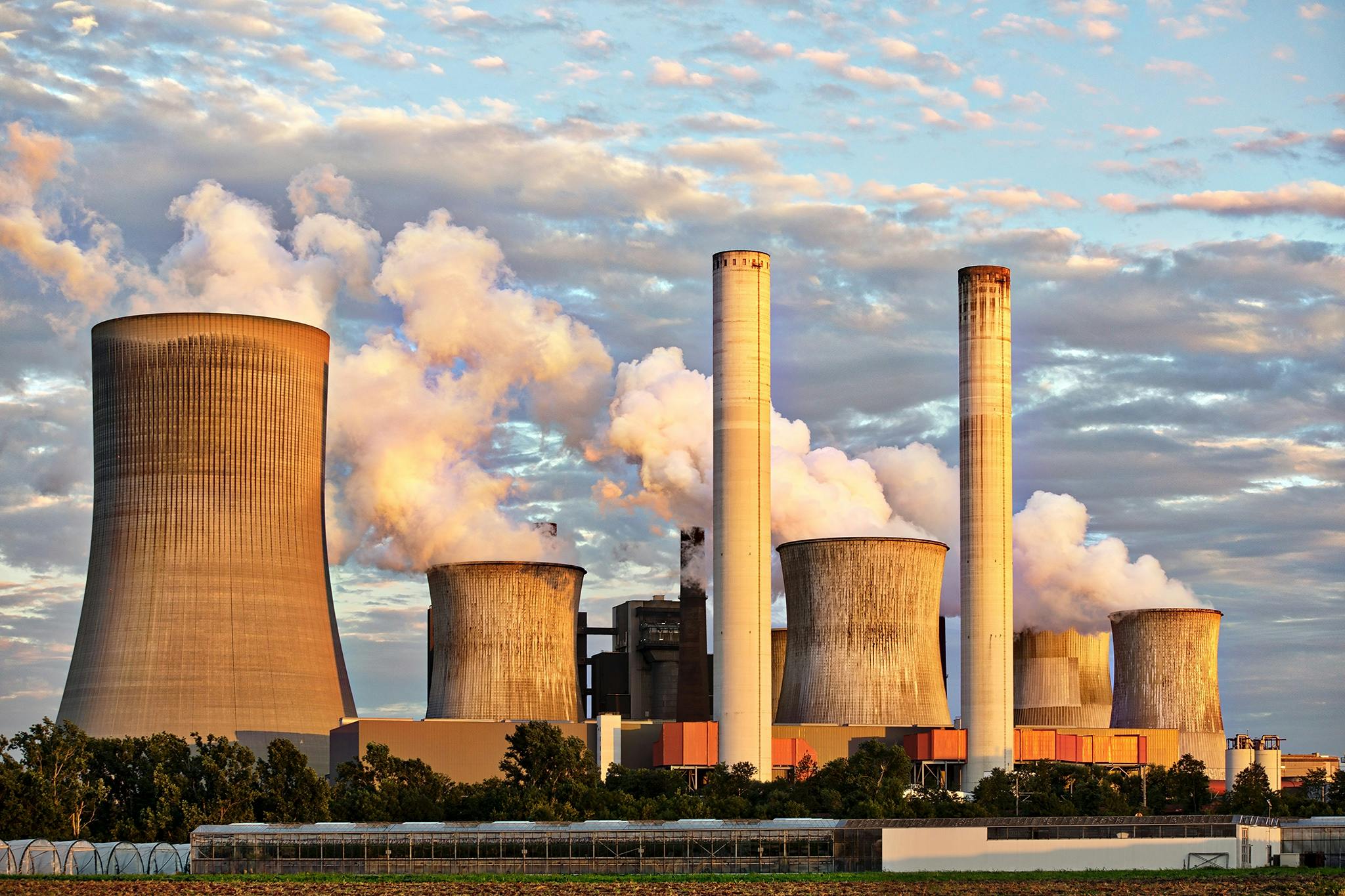
Kenya is stepping into the atomic age. In a historic shift towards sustainable energy and industrial growth, the government has announced plans to build the country’s first-ever nuclear power plant, and it’s headed to Siaya County.
The bold move is part of the government’s long-term vision to diversify the energy mix, reduce reliance on fossil fuels, and meet rising electricity demands.
Government officials, including Energy Cabinet Secretary Opiyo Wandayi and veteran politician Raila Odinga, have championed the project as a legacy for President William Ruto and a critical step towards industrialisation.
Speaking at a nuclear energy stakeholder engagement at Jaramogi Oginga Odinga University on June 27, 2025, Raila said Kenya must embrace nuclear power to achieve long-term energy sustainability.
The forum was held under the theme ‘Partnering for a Sustainable Energy Future: Kenya’s Nuclear Power’.
“Diversifying our energy sources and maintaining a clean environment are critical to our development agenda as a nation. Part of the reason this country has not been able to generate and sustain well-paying jobs is the cost of energy,” Raila said.

Energy Cabinet Secretary Opiyo Wandayi said nuclear energy has been identified as an essential power source that will not only drive the country’s industrialisation agenda, but also deliver Vision 2030.
He said the government under the leadership of President William Ruto was fully committed to the realisation of a robust, sustainable energy.
“Kenya remains committed to implementing the nuclear power program, while adhering to the highest possible international standards,” Wandayi remarked.
The pivot to nuclear energy brings both immense promise and formidable risks.
Here are 6 crucial things you need to know about the ambitious nuclear project that could reshape Kenya’s power landscape and put Siaya on the global energy map.
1. New site confirmed: Lwanda K’Otieno
The government, led by the Nuclear Power and Energy Agency (NuPEA), officially shifted the planned nuclear power plant from Kilifi to Lwanda K’Otieno [Luanda K’Otieno] in Rarieda Constituency, Siaya County, following strong opposition in coastal Kilifi.
The site’s proximity to Lake Victoria provides reliable water for reactor cooling, a major technical advantage.
2. Timeline and scale
The Lwanda K’Otieno facility is planned to have a 1,000 MW capacity, with construction beginning in 2027 and commissioning expected between 2032–2034.
Investment costs are estimated between Ksh305 billion to Ksh500 billion, spread over around seven years.
3. Project status and partnerships
Currently, Kenya is in Phase 2 of the International Atomic Energy Agency’s (IAEA) Milestones Framework, working on feasibility studies, regulatory frameworks, and human capital development.
Kenya has signed cooperation agreements (MoUs) with the United States, China, and soon South Korea, tapping into international expertise for safety, operations, and training.
There’s active collaboration with Jaramogi Oginga Odinga University for workforce development.

4. Nuclear waste management
According to NuPEA CEO Justus Wabuyabo, spent fuel will initially be stored on-site in dry casks, with long-term disposal (100+ years) handled via agreements with vendor countries and international strategies.
5. Opportunities
Nuclear energy provides essential baseload power, supporting Kenya’s industrialisation and reducing reliance on intermittent energy sources.
It aligns with Kenya’s vision for low-carbon, sustainable energy growth.
The establishment of a nuclear power plant in Lwanda K’Otieno is expected to significantly boost Siaya County’s economy by creating over 10,000 jobs during the construction phase, enhancing local infrastructure, and fostering skills development among residents.
6. Challenges
Environmental and safety concerns associated with nuclear waste require robust planning and international best practices.
The spectre of nuclear disasters like Chernobyl in Ukraine or Fukushima in Japan looms large in public perception.
While modern nuclear plants are designed with multiple layers of safety, the risks, however small, are catastrophic.
Critics raise valid questions about Kenya’s preparedness for a nuclear incident, including its emergency response capabilities, healthcare infrastructure, and the ability to manage potential contamination, especially in a country prone to natural disasters.
The country will also need to upgrade its electrical grid to handle a large baseload source like nuclear.
While the move to establish Kenya’s first nuclear power plant offers powerful economic and environmental benefits, success hinges on managing costs, infrastructure upgrades, and maintaining strong community and safety commitments.
Author
Martin Oduor
The alchemist of literary works - a master wordsmith with a proven record of transforming the raw materials of language into a rich tapestry of emotion, thought, and imagination.
View all posts by Martin Oduor