The return of Ukoo Flani: Inside Kenya’s iconic rap collective comeback
By William Muthama, April 21, 2026Kenya’s hip-hop story has many chapters, but few names carry the weight of Ukoo Flani Mau Mau. After years out of the spotlight, the collective has returned, pulling together voices that once defined the streets, the cyphers, and the political edge of Kenyan rap.
The comeback has stirred something deeper than nostalgia. It is a reminder of a time when hip-hop in Kenya was not just entertainment, but a language of resistance, identity, and survival.
Street origins
Ukoo Flani Mau Mau was never built in studios or boardrooms. It grew from two worlds that rarely shared a stage: the coastal streets of Mombasa and the urban ghettos of Nairobi.
From Mombasa came Ukoo Flani, rooted in Magongo and Barsheba. From Nairobi came Mau Mau, shaped in the tough realities of Dandora.
When the two forces linked up in the late 1990s, they created a collective that felt more like a movement than a music group.
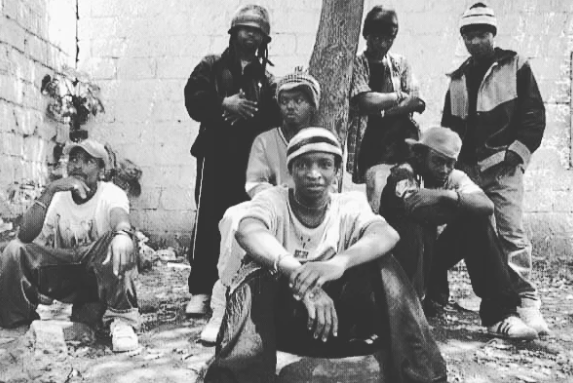
Their identity was shaped by language and lived experience. Swahili, Sheng, and street poetry carried stories of unemployment, corruption, police brutality, and everyday struggle.
A cultural force
At their peak, Ukoo Flani was not a small crew. It was a sprawling collective of more than twenty artists, each bringing a distinct voice.
Names like Sharama, Vigeti, Ibra Da Hustla, MC Kah, Kitu Sewer, Cannibal, and many others became familiar across Kenya’s hip-hop spaces.
Their influence stretched beyond music. They introduced Kaya Hip-Hop, a style rooted in cultural memory and social consciousness. It connected urban youth to deeper questions of identity and community.
Tracks such as Dandora Burning, Piga Bao, and Mazishi Ya Polisi became street anthems. They were played in matatus, pirated CDs, radio mixes, and neighbourhood gatherings, shaping how a generation understood hip-hop.
The silence years
Like many large collectives, time eventually stretched Ukoo Flani apart. Members pursued solo paths, others faded from the public eye, and the industry itself shifted toward commercial soundscapes.

But even in silence, their presence never fully disappeared. Old-school playlists, online throwbacks, and underground DJs kept their music alive. For many fans, Ukoo Flani became a reference point for “real hip-hop.”
In April 2026, Ukoo Flani officially stepped back into the spotlight with renewed energy and a message rooted in the same values that defined them from the start.
Central to this comeback is their long-awaited 2026 project, Ndiyo Hii. The body of work carries the weight of time, experience, and reflection.
It brings together different voices from the collective, blending old-school grit with a more mature perspective shaped by years away from the mainstream.
The project was recorded with a live, organic approach, capturing the raw energy that once defined their cyphers and early studio sessions. Instead of chasing trends, the sound leans into storytelling, social commentary, and lyrical depth.