The American dream: Why Influencers and OnlyFans models are dominating O-1 visa requests
By The Guardian, January 12, 2026Content creators and influencers in the US are now increasingly dominating requests for O-1 work visas. Astoundingly, the number of O-1 visas granted each year increased by 50 per cent between 2014 and 2024, as noted by recent reporting in the Financial Times.
These visas allow non-immigrants to work temporarily in the US. The O-1 category includes the O-1A, which is designated for individuals with extraordinary ability in the sciences, education, business or athletics and the O-1B, reserved for those with “extraordinary ability or achievement”.
The Guardian spoke with some influencers who have had success in obtaining or are still trying to obtain the coveted O-1 visa and talked about what was involved in their process.
Influencers are filling a large gap in the world’s retail and commercial interests … immigration has to keep up
Julia Ain decided to post some videos of herself on social media at the height of the COVID-19 lockdown, when she was a student at McGill University.
“I was bored during the pandemic – like everyone else – and started posting on TikTok,” she told the Guardian. “I started livestreaming, and I grew a fanbase kind of quickly.”
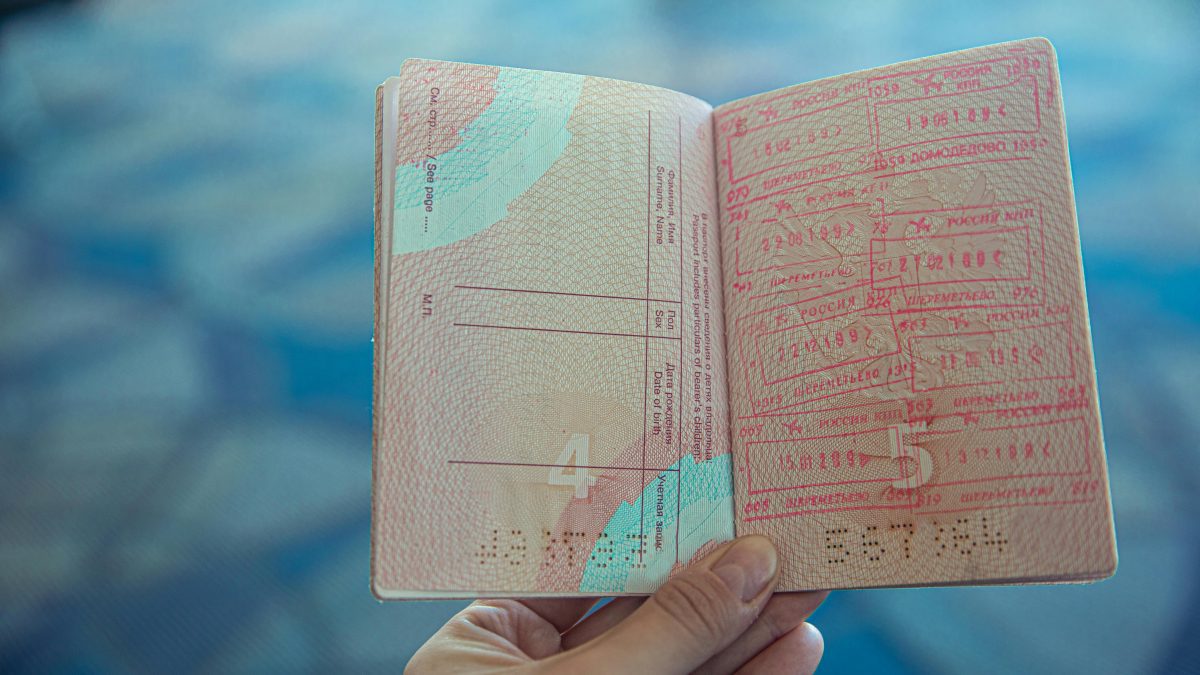
Five years later, the 25-year-old Canadian content creator now has 1.3 million followers combined across various social media platforms. Her influencer success led her to an O-1 visa.
“It became really obvious that you could make a lot of money doing this in a short period of time,” she said. “It felt like a very time-sensitive thing. Nobody knows how long this is going to last for.”
Ain posts photos and videos across Instagram, TikTok, X and Snapchat, sometimes in collaboration with other creators. Of her brand, she says: “My whole thing is being the funny Jewish girl with big boobs.”
The majority of Ain’s income is from Fanfix, a safe-for-work subscription-based platform for influencers to monetise their content.
She first applied for the O-1B Visa after launching on the platform in August 2023, and the company ended up sponsoring her application. She now says she makes five figures per month on the platform.
Luca Mornet also began making content during the pandemic while he was a student at the Fashion Institute of Technology in New York. Mornet, who is from France, realised soon that his F-1 student visa was holding him back from making money as an influencer.

“I became friends with so many [other influencers], and I would always see them work with so many people and brands and agencies. And I always was so annoyed that I couldn’t because I was a student,” he said.
He applied for the O-1B Visa shortly after graduating, during which he could finally make money from influencing while on his OPT, a 12-month work authorisation for international students post-graduation.
The O-1B visa, once reserved for Hollywood titans and superstar musicians, has evolved over the years.
“We started doing [O-1 visa applications] for kids who are e-sport players and influencers and the OnlyFans crew,” said Michael Wildes, an immigration attorney and managing partner of Wildes & Weinberg. “It’s the new, sexy medium for people to be a part of.”
Wildes has worked with the likes of musician Sinéad O’Connor, soccer star Pelé, and restaurateur Jean-Georges Vongerichten.
His father, Leon Wildes, who started the firm in 1960, defended John Lennon and Yoko Ono against deportation during the Nixon administration, and helped facilitate the creation of the O-1B visa, which was established by the Immigration Act of 1990.
Wildes’s client roster now includes social media influencers and Twitch streamers.
To qualify for an O-1B visa, applicants must submit evidence of at least three of the six regulatory criteria, which include performing in a distinguished production or event, national or international recognition for achievements, and a record of commercial or critically acclaimed successes.
In 2026, though, these criteria are being stretched to encompass the accolades of an influencer.
In Ain’s application, she highlighted her sizable income and social media metrics.
“Part of my application was: ‘I have 200,000 followers on this app, 300,000 followers on this app, 10 million people watch me here every month,’” she said. “This isn’t just, ‘Oh, you had one viral video, and people watched that.’ No, you’ve got a following now that is not only watching you, but also paying for your content actively month after month.”