Why romantic comedy Survival of the Thickest will be missed
By Ascah Mwango, July 15, 2026Life after Survival of the Thickest? It is going to feel a little less fashionable and a lot less fun. For three seasons, Mavis Beaumont reminded us that you can cry over a cheating ex, serve a killer outfit the next day and still have enough energy to chase your dreams. Now that the curtains have closed, Netflix is saying goodbye to one of its most charming comfort shows. Breaking up with your favourite Netflix show hurts almost as much as Mavis’ breakup in Season One.
As fans say goodbye, one thing is certain. Survival of the Thickest leaves behind much more than memorable one-liners and stylish outfits. It leaves a gap that will not be easy to fill.
It celebrated body confidence without making it a lecture
One of the show’s greatest strengths was how naturally it embraced body positivity.
Mavis Beaumont never walked around pretending to be fearless every minute of every day. She had insecurities, embarrassing moments and painful experiences just like everyone else. Yet she refused to believe that being plus-sized meant she deserved less love, fewer opportunities or smaller dreams.
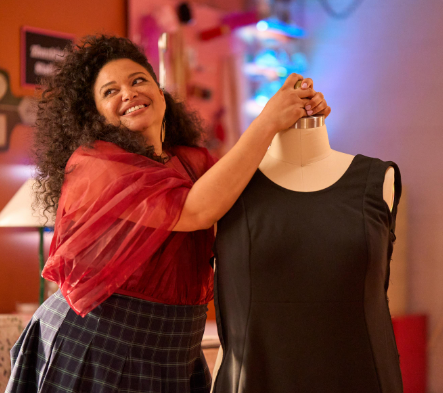
Television has often treated plus-sized women as comic relief or as side characters whose entire personalities revolve around losing weight. Mavis changed that narrative. She was stylish, ambitious, romantic, funny, vulnerable and occasionally chaotic. Her body was simply one part of who she was.
Instead of preaching about confidence, the show quietly demonstrated it through everyday moments. Whether Mavis was walking into a fashion event in a stunning outfit or awkwardly navigating the dating scene, viewers saw someone learning to love herself without waiting for society’s approval.
That authenticity made many viewers feel seen for perhaps the first time.
It proved that funny shows can still have emotional depth
There were plenty of moments that made audiences laugh out loud.
Mavis had a remarkable talent for turning ordinary conversations into unforgettable comedy. Her awkward encounters, dramatic reactions and witty observations kept the series light even when it tackled difficult subjects.
But beneath the humour lived stories about grief, betrayal, fertility, rejection, career setbacks and personal growth. The final season continues exploring those emotional realities while never losing the playful spirit that made the show so enjoyable.
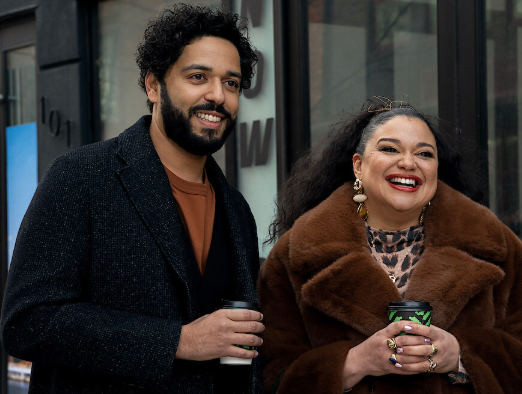
Life rarely fits neatly into one genre. Some days are hilarious. Others are heartbreaking. Survival of the Thickest understood that balance better than many television comedies.
It reminded viewers that sometimes the best way to survive difficult moments is to laugh before crying, then laugh again.
It gave us characters who felt like real friends
One reason fans became attached to the show was its cast of wonderfully imperfect characters.
Mavis was the heart of the story, but she never carried it alone. Khalil brought loyalty, humour and honest advice whenever life became overwhelming. Luca added romance without overshadowing Mavis’ personal growth. Even the supporting characters felt like people you might actually meet in everyday life.
Their friendships were messy, supportive and believable.
Nobody was perfect. People argued, made mistakes and occasionally disappointed one another. Yet they kept showing up for each other when it mattered most.
That sense of chosen family became one of the show’s strongest messages.
Some fans were disappointed by the reduced presence of Marley in the final season because her friendship with Mavis had become one of the emotional pillars of the series. Her absence sparked plenty of discussion online, showing just how deeply audiences had connected with those relationships.
It made diversity feel effortless instead of forced
Representation has become an important conversation in television, but Survival of the Thickest succeeded because it never felt like it was ticking boxes.
The series celebrated Black women, plus-sized bodies, queer characters, different cultures and inclusive fashion without turning anyone into a stereotype.
Everyone simply existed as themselves.
Behind the scenes, the final season also reflected that commitment. The executive producing team was made up entirely of women, with most of them being women of colour. Michelle Buteau and co-creator Danielle Sanchez-Witzel also stepped behind the camera to direct episodes, making the farewell season even more personal.
That authenticity gave the series warmth. Viewers were not watching diversity as a marketing strategy. They were watching real people tell stories that reflected the world many audiences already live in.
It knew when to say goodbye
In today’s streaming world, many shows disappear without warning, leaving fans frustrated by unresolved storylines. Others continue long after their best ideas have been exhausted.
Netflix confirmed well ahead of time that Season Three would be the last, giving the writers enough room to complete Mavis’ journey instead of rushing toward an unfinished ending. Michelle Buteau has spoken about how valuable it was to know in advance that they were creating a farewell season, allowing every character to receive meaningful closure.