Lupita Nyong’o says black women face higher fibroid risks
By Valerian Khakayi, March 20, 2026Award-winning Kenyan actress Lupita Nyong’o has spoken out about fibroids, shedding light on a condition that affects millions of women but disproportionately impacts Black women.
In a statement shared on her official Instagram account on Friday, March 20, 2026, Lupita said that fibroids do not discriminate, adding that they affect women of every race and background.
However, she says black women are significantly more likely to develop fibroids earlier, often in greater numbers and with more severe symptoms.
“Fibroids don’t discriminate; they affect women of every race, but the numbers don’t lie: Black women are disproportionately affected, and we need to talk about it,” Lupita said.
“Black women are 3x more likely to develop fibroids earlier, in greater numbers, and with more severity, and 7x more likely to need surgery.”
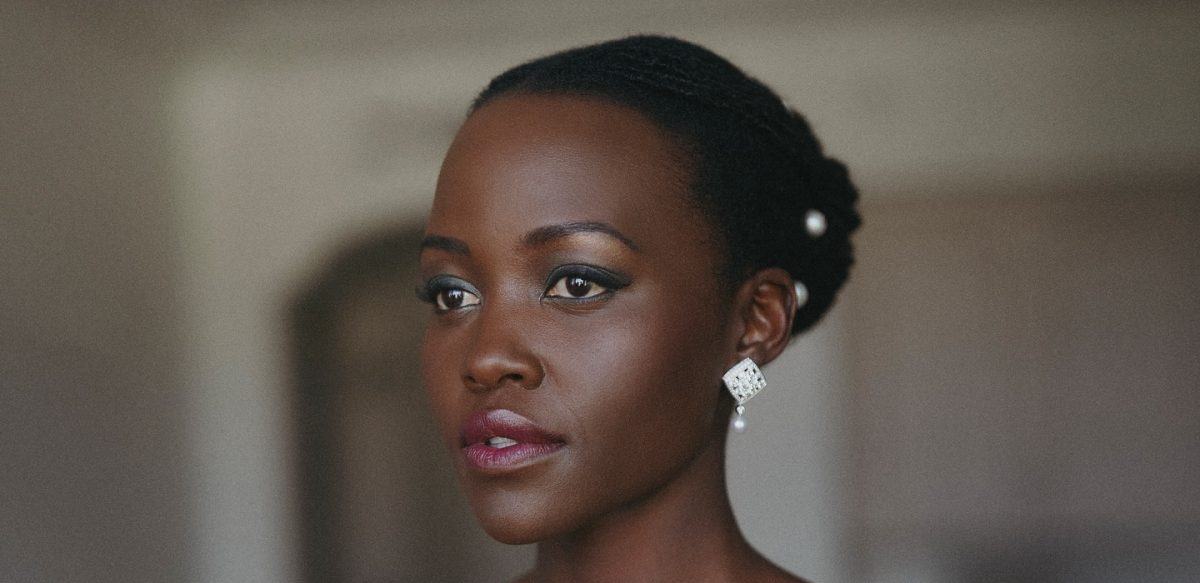
The actress further added that one of the most powerful things is being aware and informed about fibroids.
“None of us asked for this, but being informed is one of the most powerful things we can do,” she added.
In addition, Lupita explained that fibroids can range in size from as small as a seed to as large as a melon, but their impact goes far beyond size.
She says a tiny fibroid in the wrong location can cause debilitating pain, heavy bleeding, and fertility challenges. Larger ones may require complex surgical intervention.
“Whether a fibroid is the size of a pomegranate seed or a cantaloupe, the impact can be devastating. A tiny seed-sized fibroid in the wrong location can cause life-altering pain. A melon-sized one can mean serious surgery. And with fibroids often showing up earlier and hitting harder, they can steal years from our lives,” Lupita explained.
What helped her?
Lupita, who has been open about her battle with fibroids, further disclosed what has helped with the battle.
One of the key steps she highlights is understanding your family history.
She says talking openly with mothers, grandmothers, aunts, and sisters can reveal patterns that might otherwise be overlooked, adding that what has long been normalised in families could actually be a sign of an underlying condition.
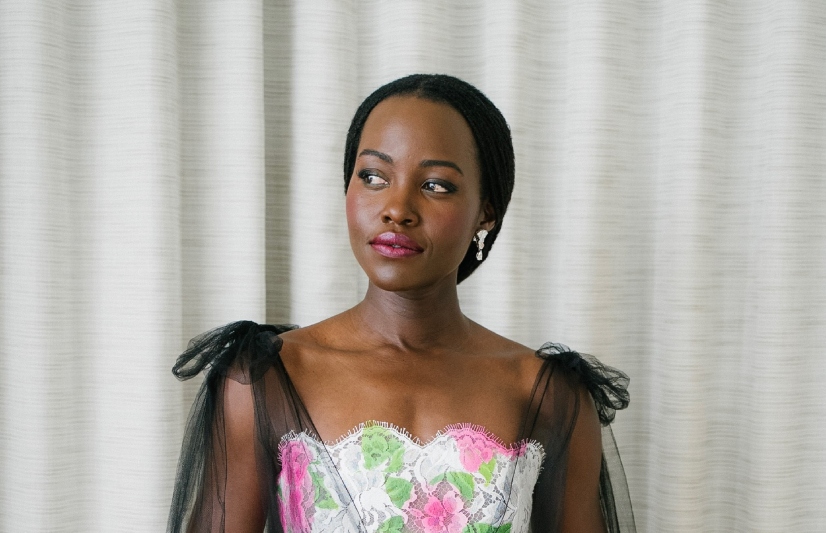
Here’s what has helped me:
KNOW YOUR FAMILY HISTORY.
Talk to the women in your family: grandmothers, mothers, aunts, and sisters. What you’ve been calling “a bad period” might be more, and sharing that history with your doctor could mean earlier detection for you, and better options for the next generation.
FIND YOUR PEOPLE AND TAKE ACTION.
Link arms with other women and say out loud: *we will not keep normalising women’s pain.*
I’ve partnered with @foundationwomenshealth to launch a research grant focused on less invasive fibroid treatments. Donate today and support the effort at MakeFibroidsCount.org.
KNOW THIS: IT IS NOT YOUR FAULT.
We’re not taught about fibroids. Women’s health is stigmatised and minimised all the time. Release the blame. Not for a single minute should you carry that.