Everything you need to know about ‘Exit 8’, the film based on a viral game
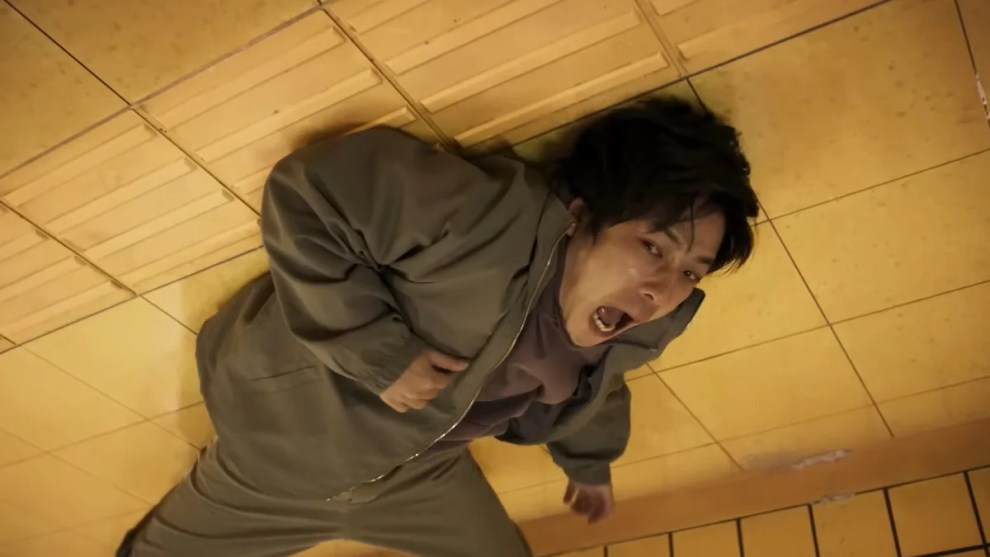
Released on Friday, April 10, 2026, Exit 8 has emerged as one of the most talked-about video game adaptations in recent memory.
Directed by Genki Kawamura, the film is based on the 2023 indie game The Exit 8 by Kotake Create, a minimalist walking simulator that gained a cult following for its unsettling simplicity and psychological tension built around repetition and observation.
Endless subway loop
You might also like



The original game placed players in a looping subway corridor with a simple instruction: observe. If everything appears normal, move forward. If something feels wrong, turn back. One mistake resets progress to the beginning.
The film expands this idea into a 95-minute psychological experience, using the loop structure not as a gimmick but as the core of its storytelling, building tension through repetition rather than conventional action.
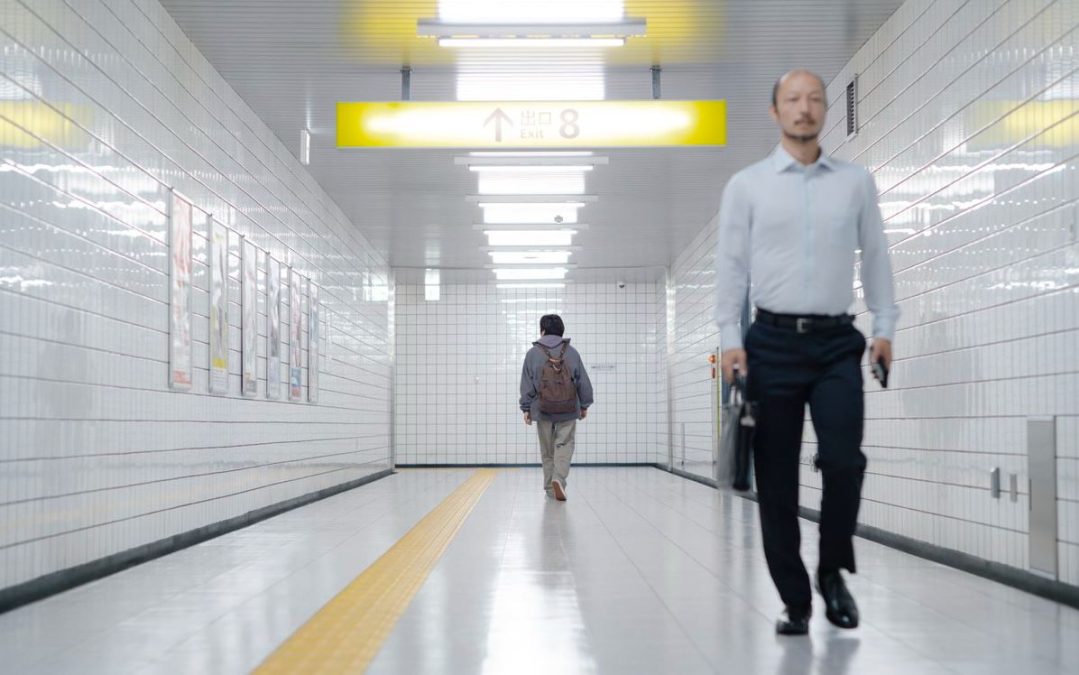
Kazunari Ninomiya and Yamato Kochi in Exit 8, in a subway loop.PHOTO/https://www.umbrellaent.
The story follows an unnamed man, known as the Lost Man and played by Kazunari Ninomiya, who steps off a subway train only to find himself trapped in an endless underground passageway.
At first, everything appears ordinary: tiled walls, fluorescent lighting, empty staircases, but subtle inconsistencies begin to surface.
A set of rules governs his movement: observe, proceed only if everything seems normal, and turn back immediately if anything feels off.
Each mistake sends him back to the beginning, creating a cycle that slowly distorts his perception of reality.
Cast and atmosphere
As the loops continue, the corridor grows increasingly unstable, with anomalies escalating into unsettling distortions that blur the line between what is real and imagined.
Supporting roles from Yamato Kochi, Nana Komatsu, Kotone Hanase, and Naru Asanuma add layers of mystery, as they appear and reappear within the passageway in ways that are never fully explained.
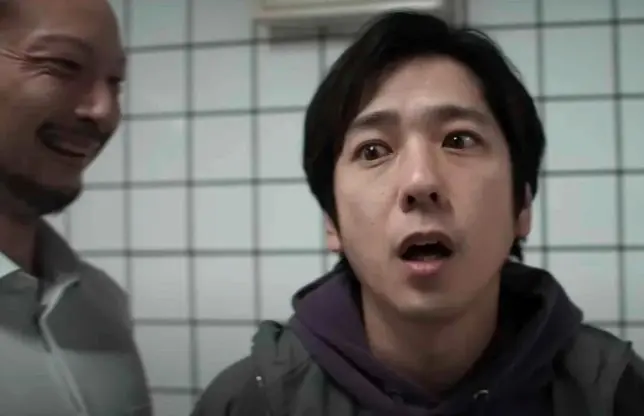
Kazunari Ninomiya and Yamato Kochi in Exit 8, caught in a tense subway loop.PHOTO/https://www.umbrellaent.
Visually, Exit 8 leans heavily on liminal space design, sterile environments, repetitive architecture, and controlled lighting that turns familiar spaces into something uneasy.
The sound design is minimal, relying on silence and subtle audio cues to build tension instead of a traditional score.
Critics on Rotten Tomatoes describe Exit 8 as a restrained and atmospheric adaptation that prioritises mood over explanation.
While some point to its repetitive structure as a limitation, others argue it is precisely what makes the film effective.
In the end, Exit 8 stands as a meditation on routine, perception, and the quiet discomfort of noticing too much in spaces that should feel ordinary.
Author
William Muthama
William Muthama is a digital journalist with a focus on entertainment, human interest, and current affairs. Share stories: [email protected]/ [email protected]
View all posts by William Muthama