Advertisement
Why Shakira was not paid to perform at the 2026 World Cup final halftime show
20th July, 2026 10:52 PM
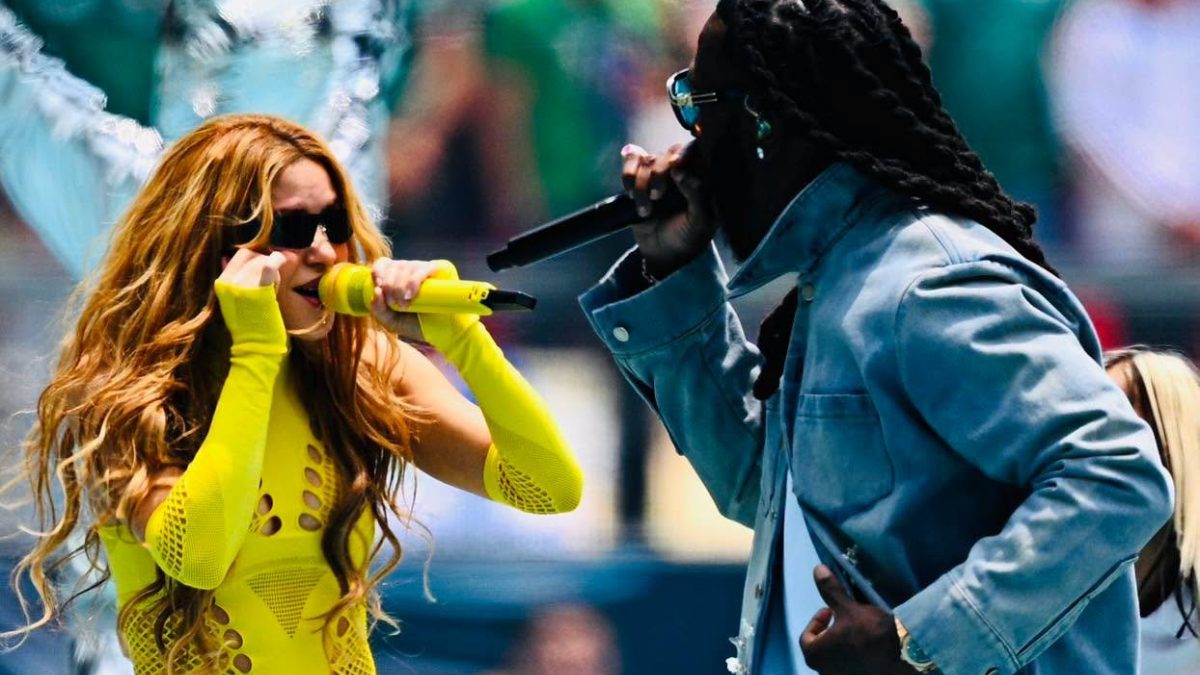
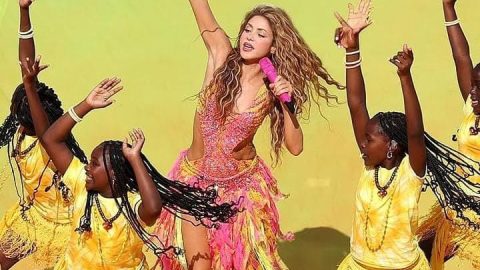
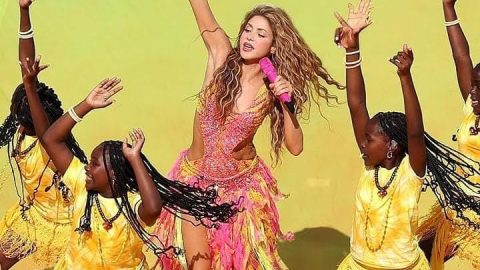
The 2026 FIFA World Cup final on Sunday, July 19, 2026, was not only remembered for the action on the pitch but also for its star-studded halftime show.
Shakira, Madonna, and Justin Bieber took to the stage in a performance that brought together different generations of music fans. Despite the event’s scale, the artists did not receive a traditional performance fee.
No fixed payment for performers
According to information obtained by MARCA, artists who performed during the 2026 World Cup final halftime show were not paid a fixed amount for appearing on stage. Instead, FIFA covered the costs of producing the show, including logistics and other expenses needed to make the performance happen.
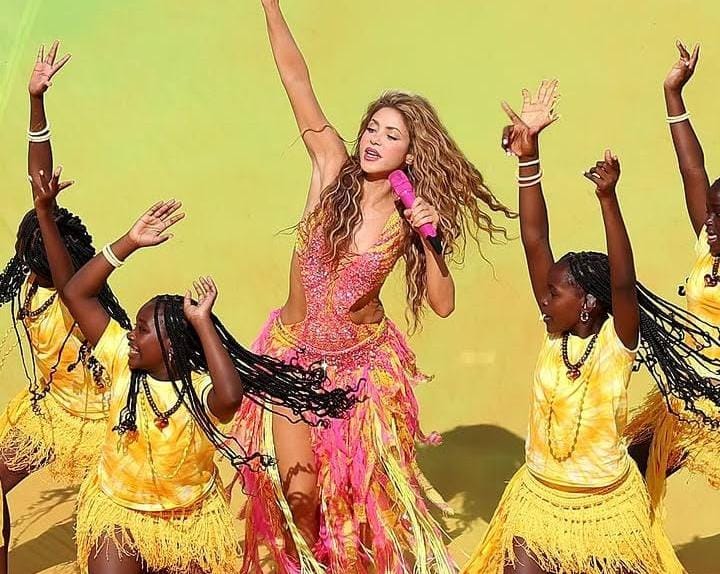
The payment model follows a similar approach to the Super Bowl halftime show, where performers are not given a standard performance fee. Rather than earning a large paycheck, the artists benefit from the worldwide attention that comes with appearing at one of the biggest sporting events.
The performers also received a small stipend during rehearsals, but this was not considered a full payment for the show itself.
Global exposure brings bigger rewards
While there was no traditional fee, the appearance is expected to benefit the artists in other ways. Performing in front of a global television audience gives musicians a major boost in visibility.
This kind of exposure often leads to higher music sales, increased streaming numbers and growth across other income sources. For many artists, the worldwide audience can be more valuable than a single performance payment.
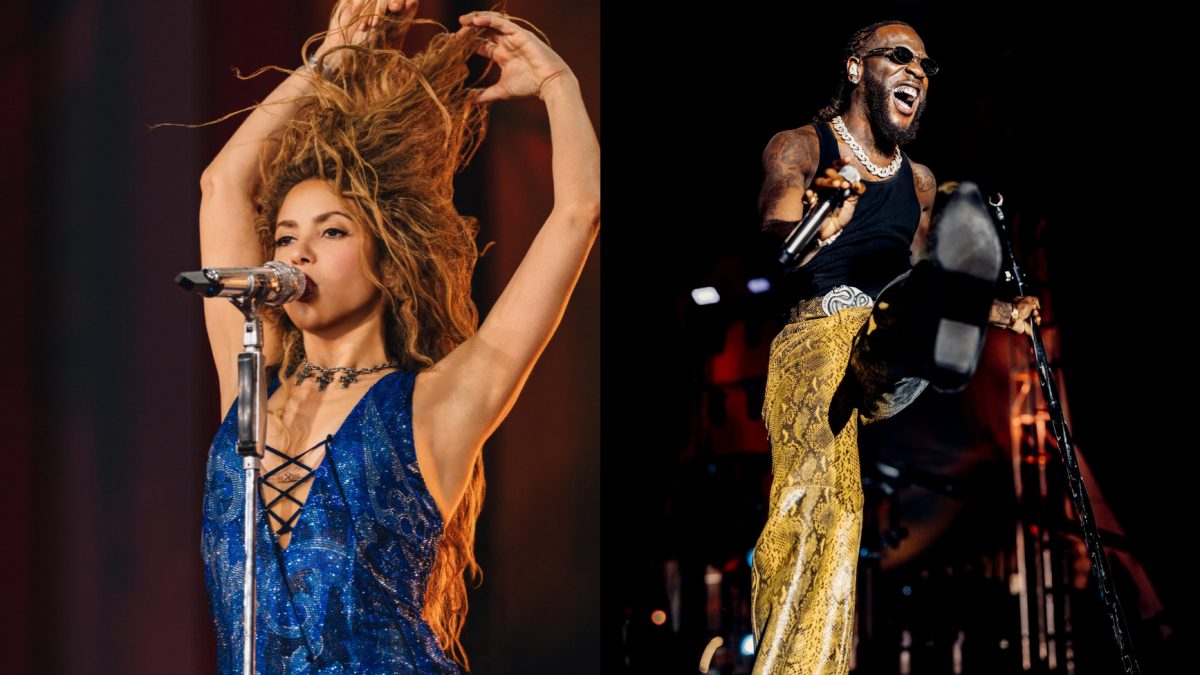
According to MARCA, previous World Cup ceremonies have followed a similar pattern. Artists have agreed to perform without receiving a standard fee because the event helps expand their reach to millions of viewers around the world.
A historic halftime show
The 2026 World Cup final made history by introducing a halftime show featuring Shakira, Madonna, and Justin Bieber. The performance added another attraction to an already highly anticipated final and brought together some of the biggest names in music.
The halftime show lasted about 11 minutes. Although it was brief, it was designed to deliver a fast-paced performance combining the different music styles and stage presence of the four acts.
The unique payment arrangement has drawn attention following the tournament, with many learning that appearing on one of the world’s biggest stages can offer rewards that go beyond a direct paycheck.