Tr. Cillah questions state of Kenyan schools, demands answers over learning conditions
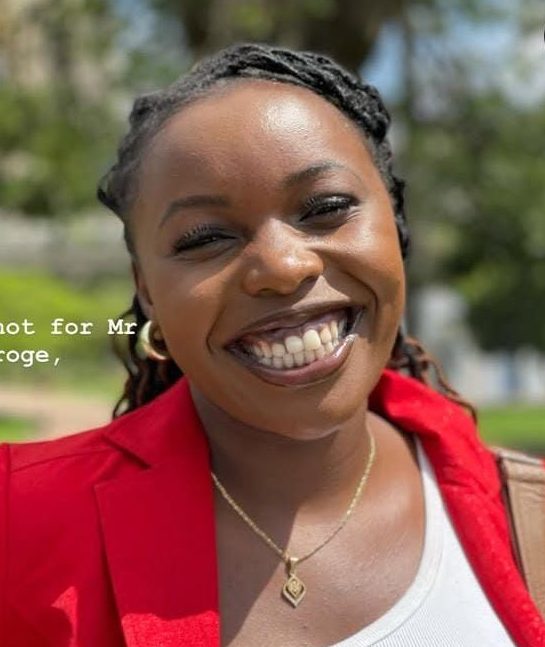
By Trizer Lijondo, September 29, 2026Tr. Cillah has questioned the state of schools in Kenya, challenging leaders and education officials to account for the learning conditions children and teachers continue to face.
Speaking in a video, Cillah has argued that children deserve to study in good learning environments and questioned why funds allocated for education have not translated into better conditions in some schools.
Cillah recounts benefiting from Kiambu bursaries
Cillah has shared her personal experience as a student from Kiambu Constituency, saying she benefited from constituency bursaries while in high school around 2013 and 2014.
She has said she received bursary support in Form Two, Form Three and Form Four before continuing to college, where she again benefited from CDF bursaries.
According to Cillah, the support demonstrates how education funding can directly benefit students when it reaches them. However, she has questioned why some children continue learning in poor environments despite the resources allocated to education.
She has also referenced Kiharu Constituency, questioning why some schools receive improvements while other children are left studying in difficult conditions, including schools where parents have been required to pay as little as KSh500 per term.
She questions accountability across education system
Cillah has called on education officials and leaders to examine what happens on the ground rather than assuming that schools are functioning well.
She has questioned whether quality assurance officers and sub-county directors of education regularly visit schools to assess learning conditions and whether teachers have the resources and environment required to teach effectively.
She has also raised questions about capitation, asking head teachers and Boards of Management to account for how the funds are used and whether they reach students.
Turning to county governments, Cillah has highlighted the responsibility for PP1 and PP2, describing foundational learning as critical to children’s education and questioning whether schools have enough teachers and learning resources.
She has similarly challenged the Ministry of Education to establish whether children are receiving quality education and whether teachers are being provided with suitable working conditions.
Cillah has ultimately argued that the issue should not be reduced to politics or personal criticism, saying adults have a responsibility to protect children’s future.
“Tunawakosea sana,” she has said, insisting that children are the ones who ultimately suffer when education systems fail to provide safe and effective learning environments.