The rise and rise of Heha Movers: How Kibera youths turned comedy into a growing brand
By Ascah Mwango, September 1, 2026There are a few things Kenyans enjoy more than discovering a new internet sensation and immediately turning it into a national inside joke. One minute, nobody knows who you are. The next, your name is everywhere, people are copying your phrases, brands want you around, and even the BBC is interested in what you are doing.
That is the curious journey of Heha Movers.
Putting young men from Kibera in oversized suits, giving them grand corporate titles, making them speak with the seriousness of senior executives and presenting a moving company that appears capable of handling almost anything caught fire.
Within a short time, the comedy group had become a familiar name on Kenyan social media, with their videos spreading across TikTok, Facebook and other platforms while their characters became recognisable for their straight faces, exaggerated confidence and distinctive suits.
The group has since attracted commercial interest and mainstream attention, culminating in a visit to the BBC East Africa bureau in Nairobi.The purpose of that visit has not been publicly confirmed by the BBC or the group, so it would be premature to describe it as a formal BBC interview, partnership or commissioned programme, but the appearance comes at a time when interest in the creators continues to grow.
The growing popularity of Heha Movers, however, has also brought a more uncomfortable conversation about the particular image of masculinity, money and street power surrounding their characters. Social media personality Nyawanga brought the issue into sharper focus in a post on X, where she warned, “Continue trivialising and glamorising goon culture in this country and see where it takes us next year.”
Her remarks sparked discussion about whether audiences are simply enjoying a comedy persona or whether certain street stereotypes are gradually being turned into fashionable and desirable identities.
What HEHA movers do
Led by their self-proclaimed CEO Waho, alongside their Human Resource Manager and Managing Director, the group presents itself as a highly versatile company offering relocation and transport services. Their content is built around deadpan humour, corporate jargon and exaggerated claims about the kind of services they can provide, making ordinary business conversations part of the joke.
While moving and transport remain at the centre of their identity, HEHA Movers jokingly claim to offer a wide range of other services, including micro-loans, car repairs, plumbing, tiling, gypsum installation and even relationship mediation. They have also claimed to have an international reach, including moving clients in South Africa. Their videos are deliberately presented with a straight face, with the members appearing in their trademark oversized suits and speaking with the seriousness of corporate executives, despite the increasingly unusual services they describe.
The group has gained a large following on TikTok and YouTube, turning their comedy into a growing commercial brand. Their manager, known as Big Fish, has helped guide their growth, secure brand deals and monetise their creative work. Beyond entertainment, HEHA Movers also use their platform to speak to young Kenyans about drug and substance abuse, encouraging them to stay away from cheap liquor and drugs.
The familiar Nairobi character behind the joke
The reason the Heha Movers formula has travelled so quickly is partly that Kenyan audiences already understand the character they are presenting. It is the young man who speaks with complete confidence, appears to know somebody in every important office, suggests that almost any problem can be solved through the right connection and carries himself as though he is far more powerful than his surroundings would suggest.
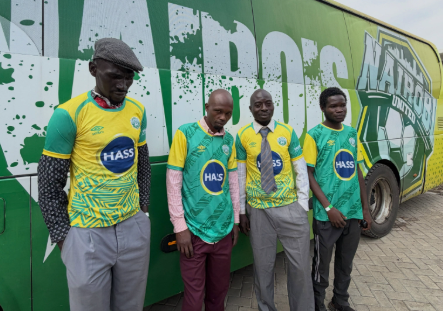
Heha Movers take that familiar street personality and place him inside a fictional corporate environment, turning the intimidating neighbourhood character into a CEO and transforming street confidence into executive authority. Their videos extend the joke by presenting an organisation that supposedly offers everything from moving houses to dealing with vehicles, loans, construction and even personal problems, all delivered with an extraordinary level of seriousness.
When parody starts becoming a style
The central issue raised by the criticism is what happens when a character becomes more popular than the joke that created it. Watching Heha Movers does not automatically mean that someone supports criminality, and there is no evidence in the reporting about the group that would justify labelling its members criminals simply because their characters look intimidating or because some Kenyans associate their appearance with “goons”.
When a particular image is repeatedly shown alongside humour, money, confidence, attention and eventually commercial success, the image itself can become attractive to an audience, particularly younger viewers who may be more interested in the lifestyle and appearance than in the satire behind the character.
From Kibera comedy to commercial success
There is also an important part of the Heha Movers story that can easily disappear when the conversation is reduced to “goon culture”. The group represents the growing ability of young Kenyan creators to turn social media entertainment into a source of income and commercial opportunity.
The group has also spoken about using its platform to discourage young people from drugs and cheap alcohol, a message that adds another dimension to the public image created through their comedy.
BBC appearance matters
The visit to the BBC East Africa bureau is another indication of how far the group has travelled from its beginnings in Kibera. While the exact purpose of the visit has not been publicly established, being received at the Nairobi bureau of one of the world’s best-known media organisations represents a significant change in the scale of attention surrounding the creators.
Heha Movers have become an example of how quickly Kenyan internet culture can move from a local joke to a national phenomenon. A line from a short video can become a meme, a costume can become a recognisable brand identity, and creators who were previously known mainly within a neighbourhood can suddenly find themselves receiving attention from international media.