Advertisement
Man accused of ordering Tupac Shakur’s killing goes on trial
11th August, 2026 01:08 AM
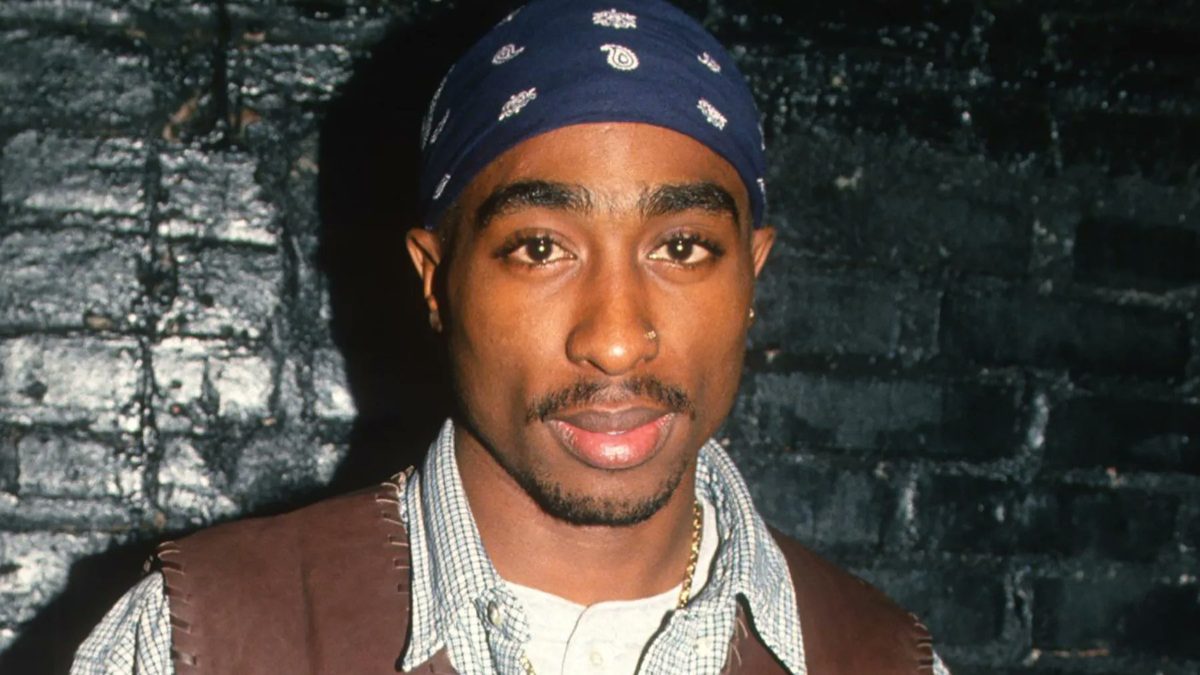
Almost 30 years after rap legend Tupac Shakur was gunned down near the Las Vegas Strip, the former gang leader accused of ordering the killing went on trial Monday, August 10, 2026.
The 1996 drive-by shooting remains one of the hip-hop world’s defining moments and enduring mysteries.
Family members of Shakur were among those who gathered at a Las Vegas courthouse for the beginning of jury selection, which could continue through much of this week.
“Whoever had anything to do with it, whoever set it up, whoever had any hand in it should be locked up in prison,” said Shakur’s cousin, Kendrick Lesane.
Duane “Keffe D” Davis, 63, has pleaded not guilty to murder with a deadly weapon with the intent to promote, further or assist a criminal gang in the rapper’s death. At the time, Davis was a leader of the South Side Compton Crips in California.
Davis sat next to his attorney Monday while Nevada Judge Carli Kierny asked a group of 75 potential jurors whether they have any medical issues, language barriers or conflicts with serving in a trial scheduled to last about a month.
Thirty years after his death, Shakur remains a cultural icon and is considered one of the most influential and versatile rappers of all time.
Shakur’s death at age 25 came as his fourth solo album had sold 5 million copies.

He was in a BMW on Sept. 7, 1996, with music mogul Marion “Suge” Knight when a white Cadillac pulled up at a red light. Shakur, who was in the passenger seat, was shot multiple times and died six days later, while Knight survived.
The case went cold until recent years, when public statements and a tell-all memoir from Davis in 2019 revived it. He was arrested in 2023.
Trial is unlikely to answer who killed Tupac Shakur
As the trial began in Clark County District Court, Davis said Monday that if he’s convicted, he wants the judge to decide his sentence, not the jury.
Binu Palal, the county’s chief deputy district attorney, told potential jurors they were in court for a murder trial involving Shakur. He began listing names of people involved in the case to see if potential jurors were familiar with them, including Knight and Sean “Diddy” Combs.
Questions posed to the potential jurors included their favourite books and movies, and whether they had listened to Shakur’s music. One man said he used to.
Prosecutors are not accusing Davis of pulling the trigger that night, and the trial likely won’t confirm who did. Instead, prosecutors plan to show that Davis made the calls that led to Shakur’s death and provided the gun.
Davis co-wrote the memoir “Compton Street Legends,” which vividly describes the shooting. The book says Davis obtained a handgun from an associate and tossed it into the back seat of the Cadillac but did not say who fired the fatal shots.
Orlando “Baby Lane” Anderson, Davis’ nephew, has long been considered the suspect who pulled the trigger, but charges were never brought against him. He died two years after Shakur in an unrelated gang shootout in Compton.
Two others — Deandrae “Freaky” Smith and Terry “Bubble Up” Brown — were in the car with Davis and Anderson, but they have since died as well.