Advertisement
How Tupac often talked about dying young
25th August, 2026 01:11 AM
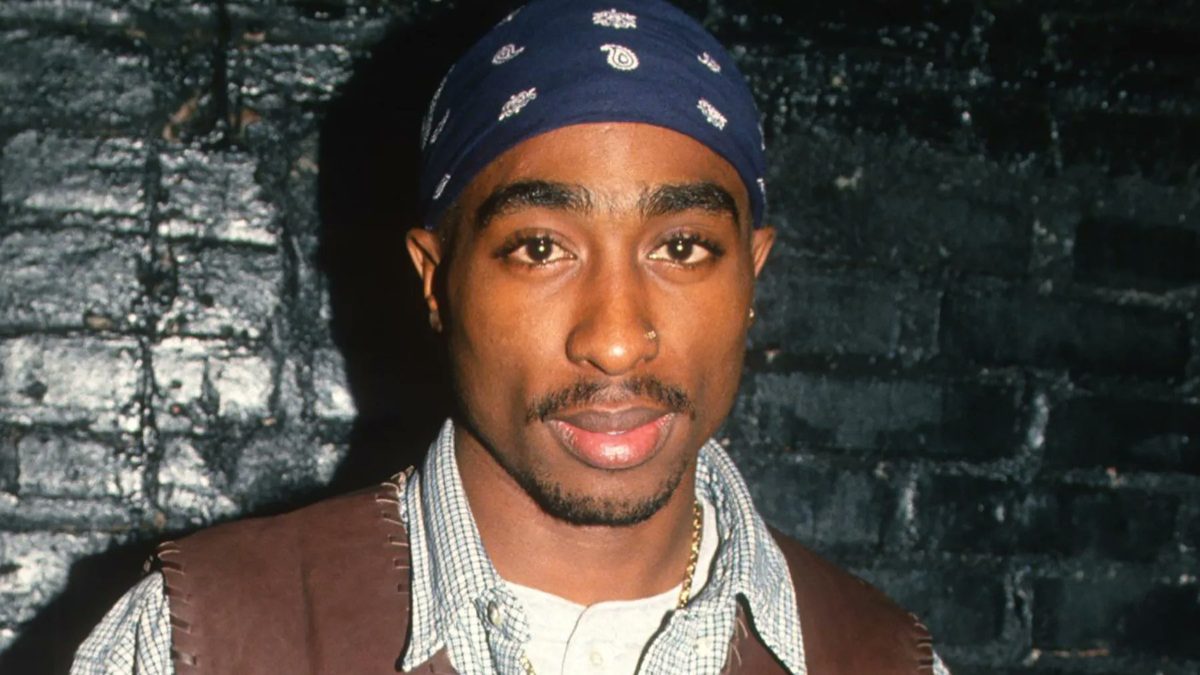
Tupac Shakur’s death has returned to the minds of many these days, as a man stands trial for his murder nearly three decades after the rapper and actor was gunned down.
The renewed attention is also a reminder that Shakur thought about his own mortality often — and said so, out loud, again and again.
In a now-famous Vibe magazine interview the year before his death at the age of 25, Shakur told journalist Kevin Powell, “I don’t have no fear of death.”
“My only fear is coming back reincarnated,” he said at the time. “I’m not trying to make people think I’m in here faking it, but my whole life is going to be about saving somebody. I got to represent life.”
Ultimately, no one was able to save Shakur, who died days after a hail of bullets struck the car he and Death Row Records co-founder Marion “Suge” Knight were driving near the Las Vegas Strip on September 7, 1996, following a Mike Tyson fight at the MGM Grand.
A trial decades in the making
Duane “Keffe D” Davis, 63, is now on trial for allegedly masterminding that killing. Prosecutors don’t claim he pulled the trigger — they allege he orchestrated the ambush from inside a white Cadillac that pulled alongside Shakur’s BMW, in retaliation for an earlier assault on his nephew, Orlando Anderson, at the MGM Grand after the fight.
The case hinges largely on Davis’ own words.
He spoke openly — in interviews, on the VladTV podcast, and in a memoir he co-wrote, “Compton Street Legend: Notorious Keffe D’s Street-Level Accounts of Tupac and Biggie Murders, Death Row Origins, Suge Knight, Puffy Combs, and Crooked Cops” — about his claimed involvement in the crime.
Davis’ 2019 memoir later became a key piece of evidence in the murder case against him, with prosecutors relying heavily on his own published account of the shooting and other public statements. Davis has pleaded not guilty and is now denying any involvement, including claiming he wasn’t in Las Vegas that night in a recent jailhouse interview with KLAS.
His defence appears to be akin to rappers who display bravado in their lyrics: What he has said in the past can be chalked up to exaggeration designed to publicise the book.
A prolific chronicler of his own death
The power of words sits at the heart of the current trial but was also a defining feature of Shakur’s life.
A prolific lyricist, he used his music constantly to work through his thoughts on both life and death, rapping in “Smile” about wanting his own funeral turned into a party, and, on the posthumously released “Thugz Mansion,” imagining himself telling his mother not to cry because he was doing fine in heaven.
That there was still music left to release after he died speaks to how Shakur worked.
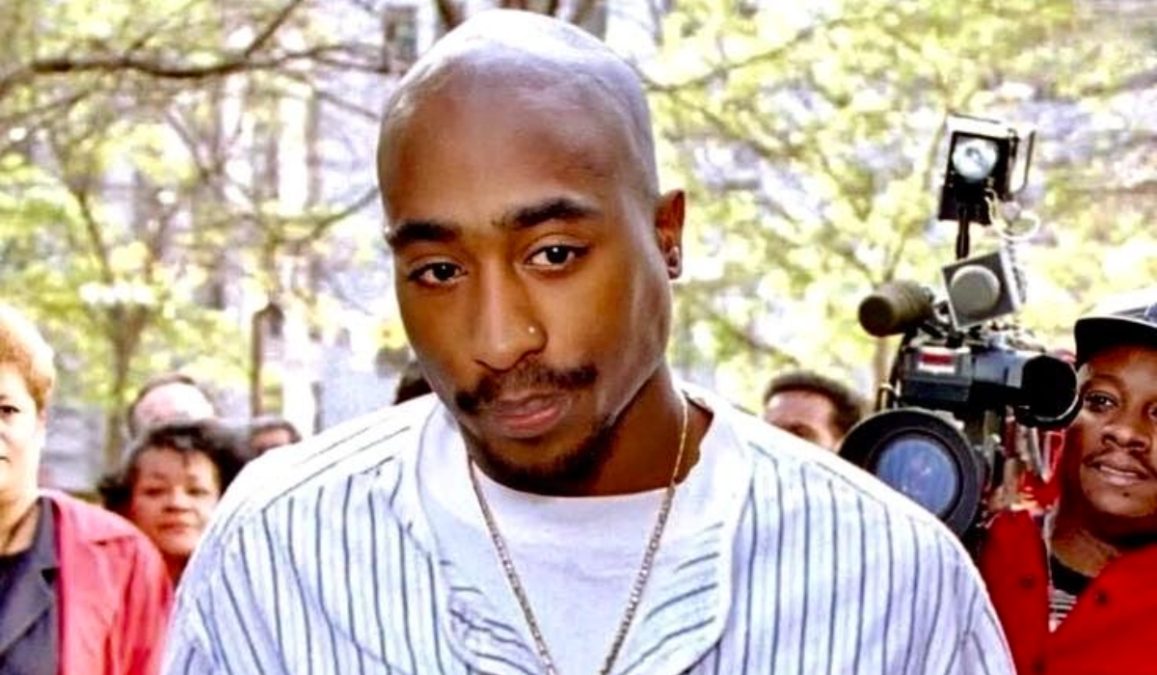
Mopreme Shakur has said that if you listen closely through Shakur’s catalogue, there’s a constant thread running through it — a “death chant,” he called it, always circling back to mortality.
According to his step-sibling, Shakur was far from alone in that: For many young Black men of his generation, violence and early death weren’t abstract fears but a lived, ever-present possibility.
The shooting that changed everything
Shakur had already survived one such brush with death.
In November 1994, he was shot multiple times during a robbery in the lobby of Quad Recording Studios in Manhattan. The attack helped ignite the East Coast–West Coast rap rivalry that many believe eventually contributed to his murder.
According to an excerpt from Ben Westhoff’s book “Original Gangstas,” published by Vice in 2016, Shakur came to believe that a group he encountered at the studio that night — including producer Sean “Puffy” Combs and his close friend and fellow rapper Christopher Wallace, known as the Notorious B.I.G. — had a hand in the ambush.
Shakur later described the group as looking guilty and startled when he rode the elevator up, wounded, and found them there, as recounted in the book’s excerpt. Combs and Wallace denied any connection, with Combs insisting they’d shown Shakur nothing but concern.
The fallout compounded quickly.
Thirty years later, still unfinished
Nearly 30 years on, the case remains unresolved in the fullest sense.
A conviction, if it comes, would answer who allegedly organised the killing, but potentially not who fired the fatal shots. Many of those thought to have been involved in Shakur’s fatal shooting have since died.
For Shakur’s family, watching it unfold has been draining. His stepbrother has talked about how difficult it has all been for the family and told CNN they remain “cautiously optimistic” about the trial.
Mopreme Shakur and Sekyiwa Shakur, Tupac’s sister, have been in the court gallery throughout the start of the trial. They chose to leave before prosecutors showed graphic autopsy photos of Shakur in court last week.