Advertisement
God of the mountains took it away: Gachagua cheekily reacts to Kindiki’s coronation hat falling
20th September, 2026 08:58 AM
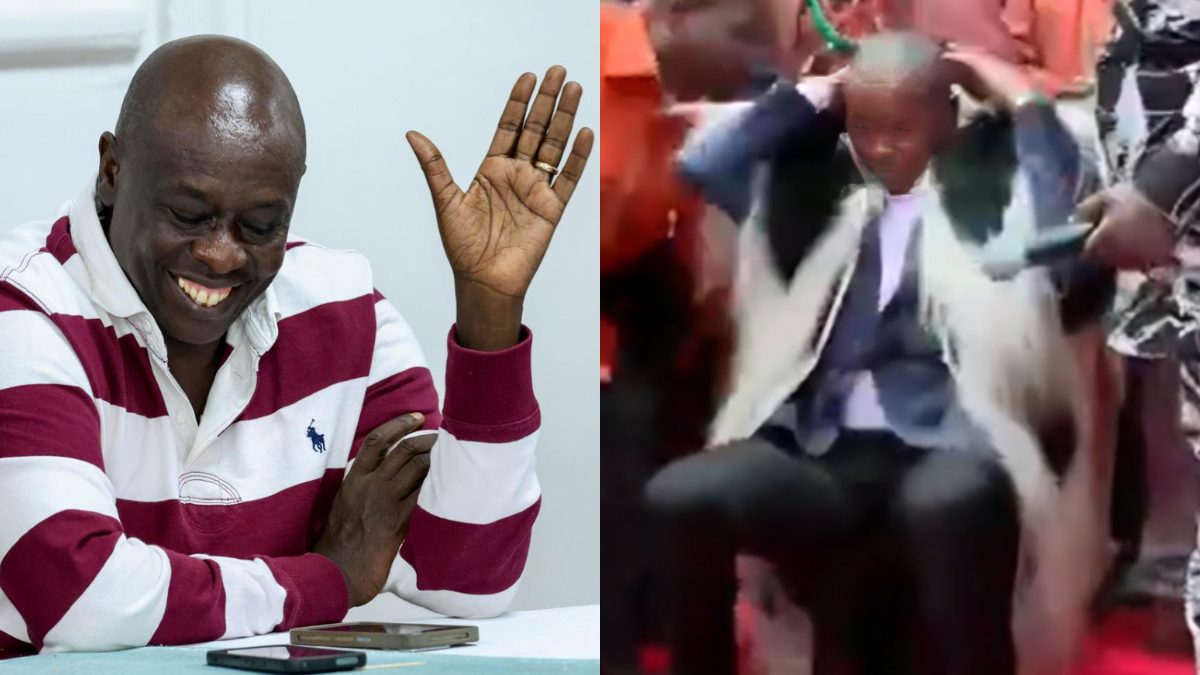
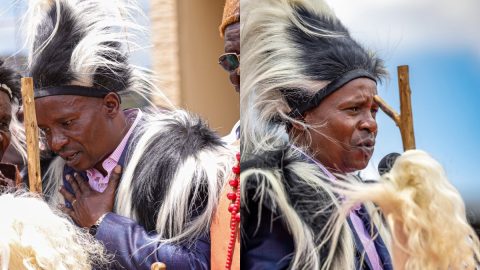
Former Deputy President Rigathi Gachagua has reacted to the moment Deputy President Kithure Kindiki’s traditional hat fell off during a meeting with Mt Kenya elders, linking the incident to what he described as a rejection by the Gods of the mountains.
Gachagua spoke about the incident while referring to Kindiki’s installation as the Mt Kenya spokesperson. He said the fallen hat had a deeper meaning and suggested that the ceremony had been rejected by the Gods from the mountains.
“I think the Gods from the mountains are very powerful. I don’t think they can allow such a thing. As the fake elders were giving him the throne and put it on his head, the Gods from the mountains took it away,” Gachagua said on Sunday, September 20, 2026, during a community address and engagement at Matt Ross Community Centre, Kansas City, USA.
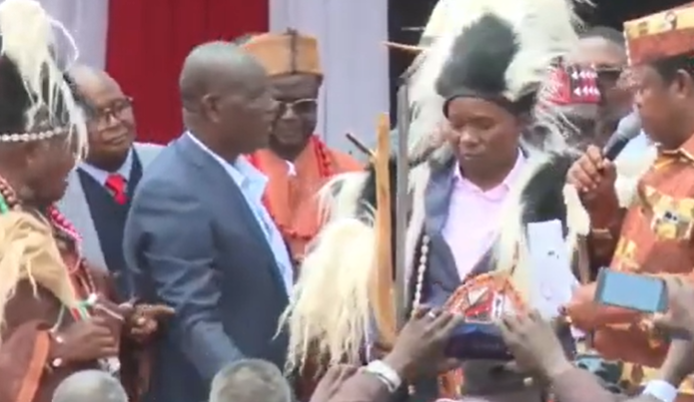
Gachagua also pointed out that Kindiki had to pick it up and put it back, which he interpreted as a sign that the ceremony had not gone as intended.
“And it fell. And he had to take it and put it back. Which means the ceremony was aborted. The Gods have refused,” Gachagua said.
The ceremony and the fallen hat
Gachagua continued by questioning the decision to install Kindiki as the community’s spokesperson. Speaking with a little smile on his face, he linked the incident to his claim that Kindiki had tried to divide the community.
“They are saying, ‘ How do you coronate a…’ he tried to divide the community, and he has failed; he wants to be made king. The God of the mountains said no,” Gachagua said.
The incident involving Kindiki happened on Saturday, September 19, 2026, at Kirigiti Stadium in Kiambu County. Kindiki was seated during the meeting when his traditional hat fell off his head.
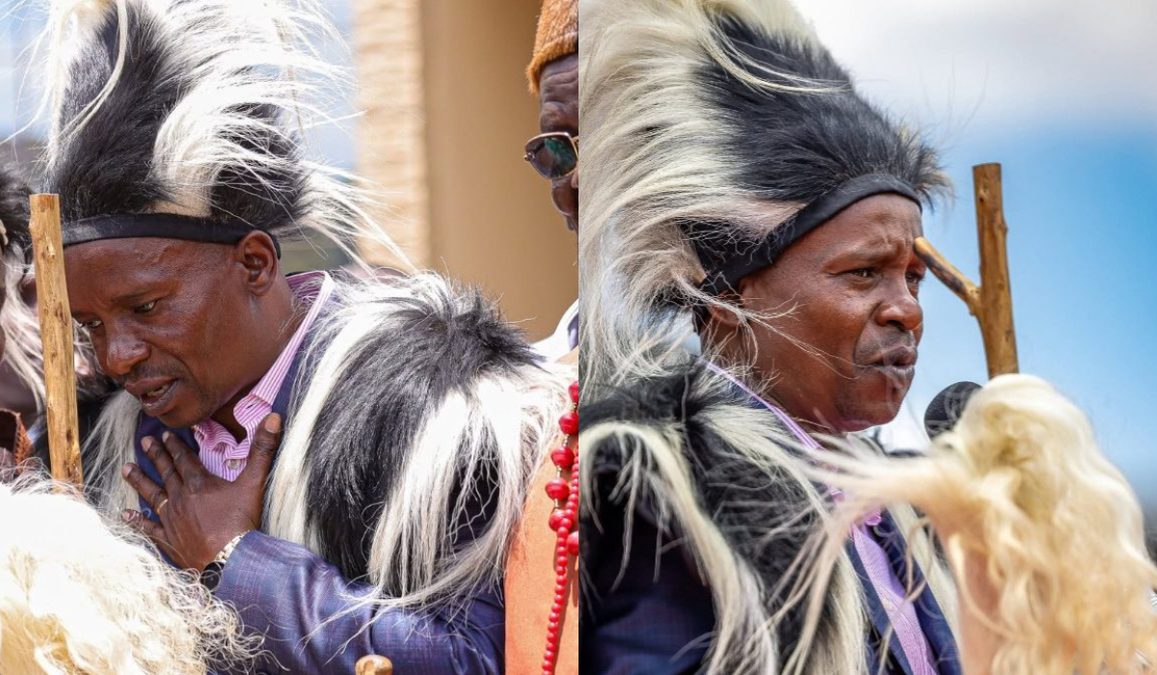
People around him quickly picked up the hat and tried to place it back on his head. The moment happened during his installation as the Mt Kenya spokesperson at the gathering.
Traditional headgear can carry meaning beyond its everyday use as clothing in different African societies. It has historically been associated with status, authority, identity, achievement and, in some settings, spiritual significance.
The National Museums of Kenya notes that African headdresses have been worn by leaders, administrators and spiritual figures, with some forms reserved for chiefs and elders.