Advertisement
‘Bad girl’: Millie Odhiambo explains why she embraced the nickname
30th June, 2026 12:41 PM
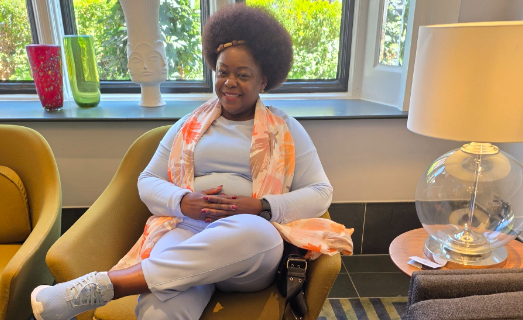
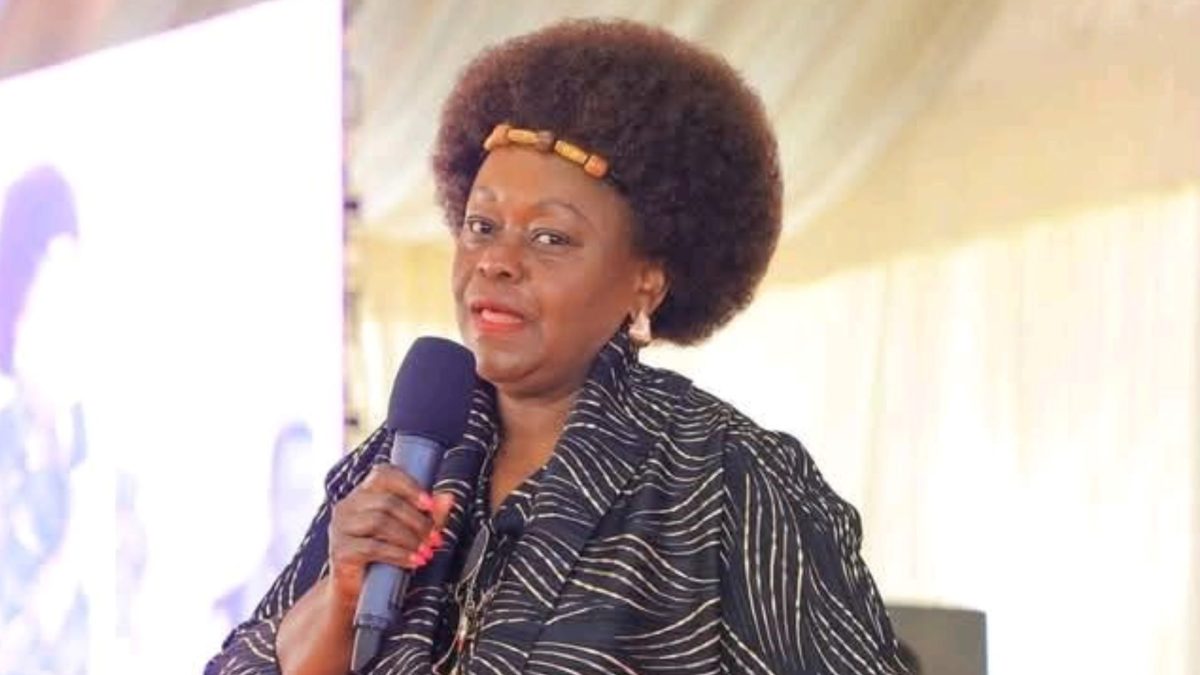
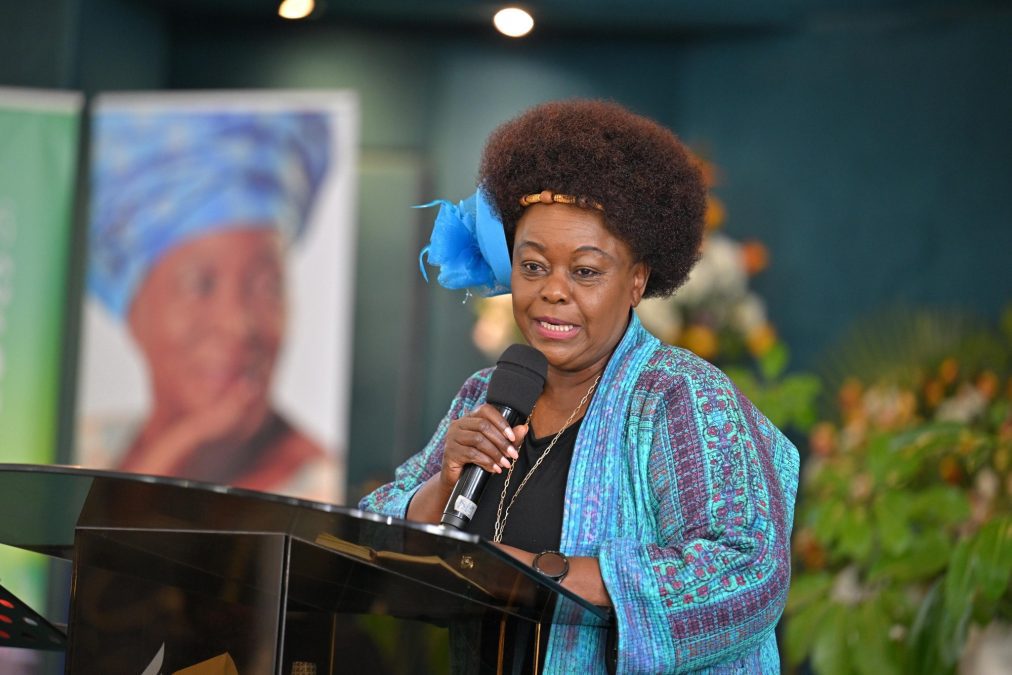
Suba North Member of Parliament Millie Odhiambo has opened up about the story behind her famous “Bad Girl” nickname, explaining how a label that was initially given to her eventually became part of her identity.
Speaking during an interview with Chaxy on Tuesday, June 30, 2026, the outspoken legislator said she did not originally call herself “Bad Girl” but later chose to embrace the nickname.
“Well, what I am called, but which I’ve adopted now. So I was called Bad Girl… but it’s picked up, so yeah, I’m Bad Girl,” she said.
Society’s expectations
Millie explained that the nickname has nothing to do with bad behaviour. Instead, she said it reflects her views on how society raises girls and the expectations placed on them from a young age.
“Well, it’s because of society conditioning. We are raised as girls to be good, which is not necessarily a bad thing. But when you grow older, you discover that being good limits,” she said.
According to the ODM legislator, girls are often taught to remain quiet, avoid confrontation and seek approval, habits that can later stand in the way of leadership and personal growth.
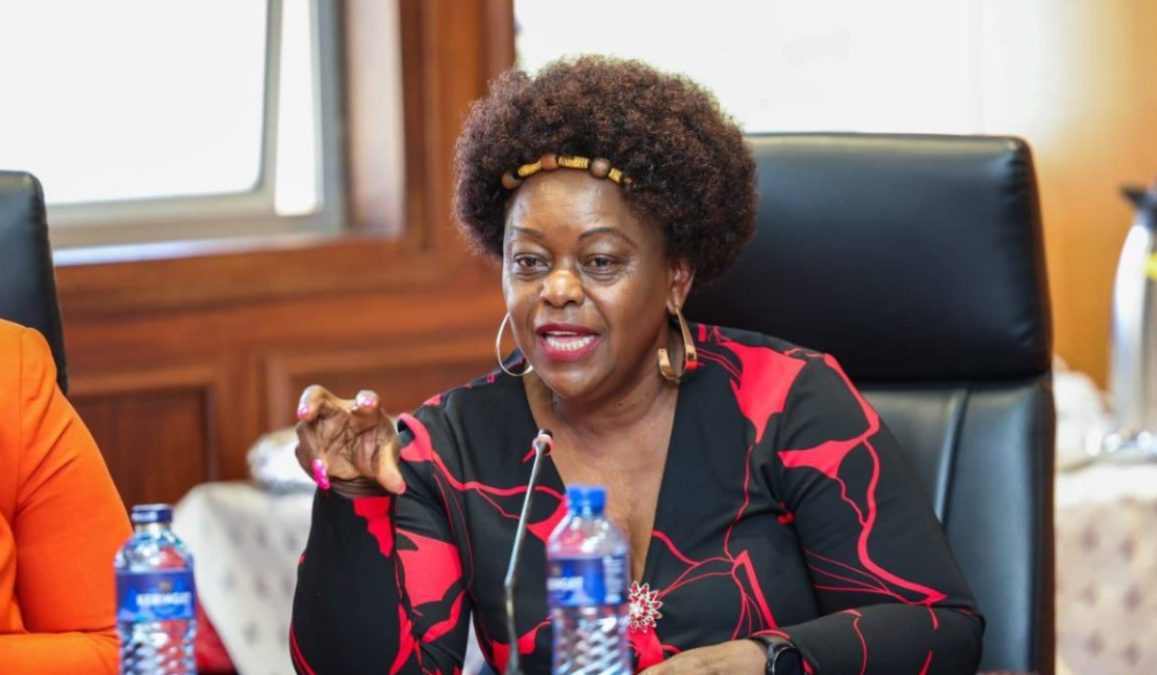
“Being good means don’t speak when you need to speak. Being good means don’t challenge when you need to challenge. Being good means rise, but only to a given level,” she said.
Millie said she eventually rejected those expectations, choosing instead to pursue her ambitions without being held back.
“I’m not good. I’m bad. I want to rise as high as I can. I want to be the best I can be and I can’t be that being good,” she said.
She also repeated one of her most memorable remarks, saying: “Good girls never get the corner office. You’ve got to be bad to get the corner office.”
Childhood lessons
The MP said people-pleasing is something many girls grow up with because they are taught to be “sweet,” “lovely” and “demure.”
“When you’re a girl, you are raised to be loved. You are raised to be demure. You are raised not to raise your voice,” she said.
She recalled a defining moment in primary school when she was punished for something she had not done. Although she believed the truth would eventually come out, nobody defended her, including her mother.
“From that time I said, ‘Hell no.’ I will say no when I don’t like it. I will speak my voice, and where I’m being mistreated, I will say I’m being mistreated,” she said.
Finding her voice
Looking back, Millie said she always had a fearless side and often stood up to boys who tried to bully her while growing up.
“I didn’t take any nonsense from anybody,” she said, recalling that she would defend herself whenever someone crossed the line.
She said life experiences helped shape her confidence and reinforced the importance of speaking up, challenging unfair systems and refusing to let traditional expectations define her.
Author
William Muthama
William Muthama is a digital journalist with a focus on entertainment, human interest, and current affairs. Share stories: [email protected]/ [email protected]
View all posts by William Muthama