5 fun facts about tortoises
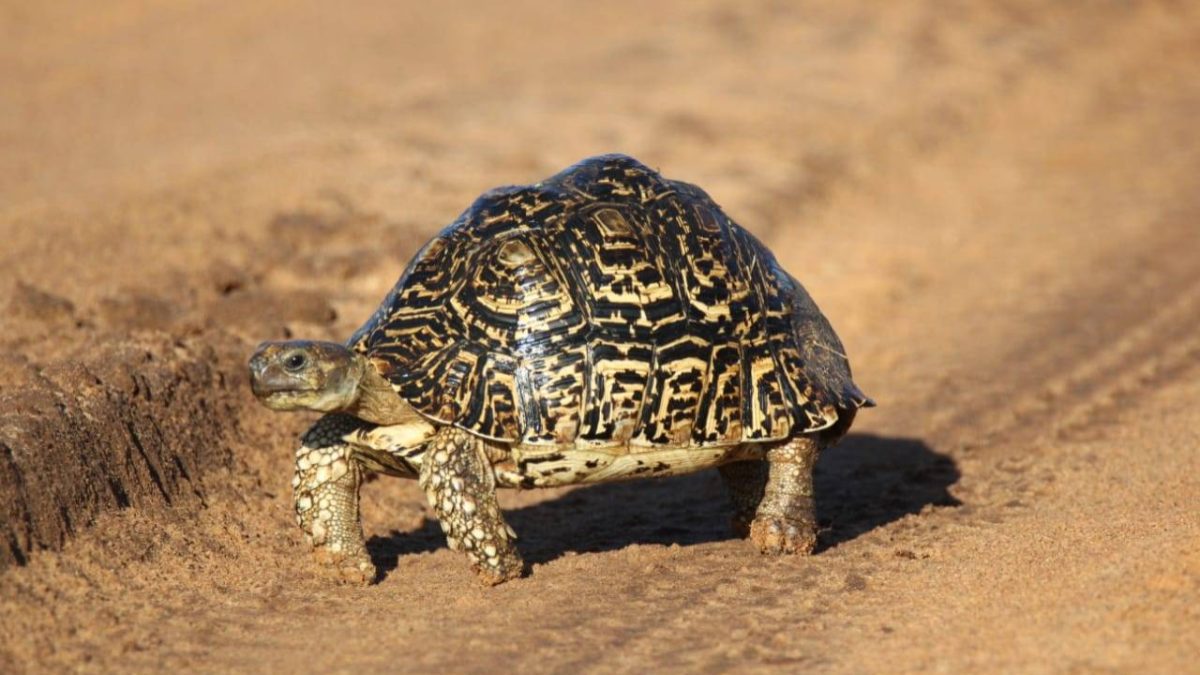
Tortoises are unique animals with features that make them different from many other reptiles.
From their strong shells to their surprising habits, these slow-moving creatures have interesting traits that many people do not know about.
You might also like
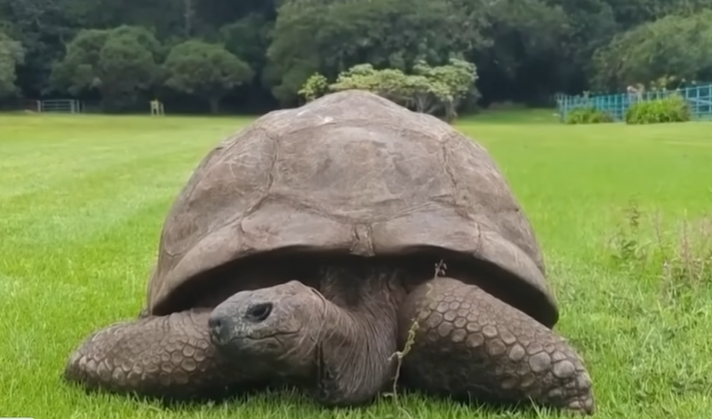
They have a special body structure that includes both an outer and inner skeleton. This means their shell is not just for protection but is also part of their body system. Their ribs, spine, and collar bone are all found inside the shell, showing how closely their bodies are linked to it.
Structure of the tortoise shell
The shell of a tortoise is made up of three main parts that work together to provide full protection and support. The top part is called the carapace, which forms the curved upper section that people easily recognise. The bottom part is known as the plastron, which covers and protects the underside of the tortoise.
The shell has three main parts: the top carapace, the bottom plastron, and the bridge that fuses these pieces together.
These two parts are connected by a section called the bridge, which helps hold the entire shell together as one strong structure. This design allows the shell to act as both armour and a support system, helping the tortoise survive in different environments while protecting its internal body parts.
Protective scutes and growth rings
The outer surface of the shell is covered with tough scales known as scutes, which add another layer of protection. These scutes are made of keratin, the same material found in fingernails and hooves, making them strong and resistant to damage. They help protect the shell from injury and also prevent infections from reaching the bone underneath.
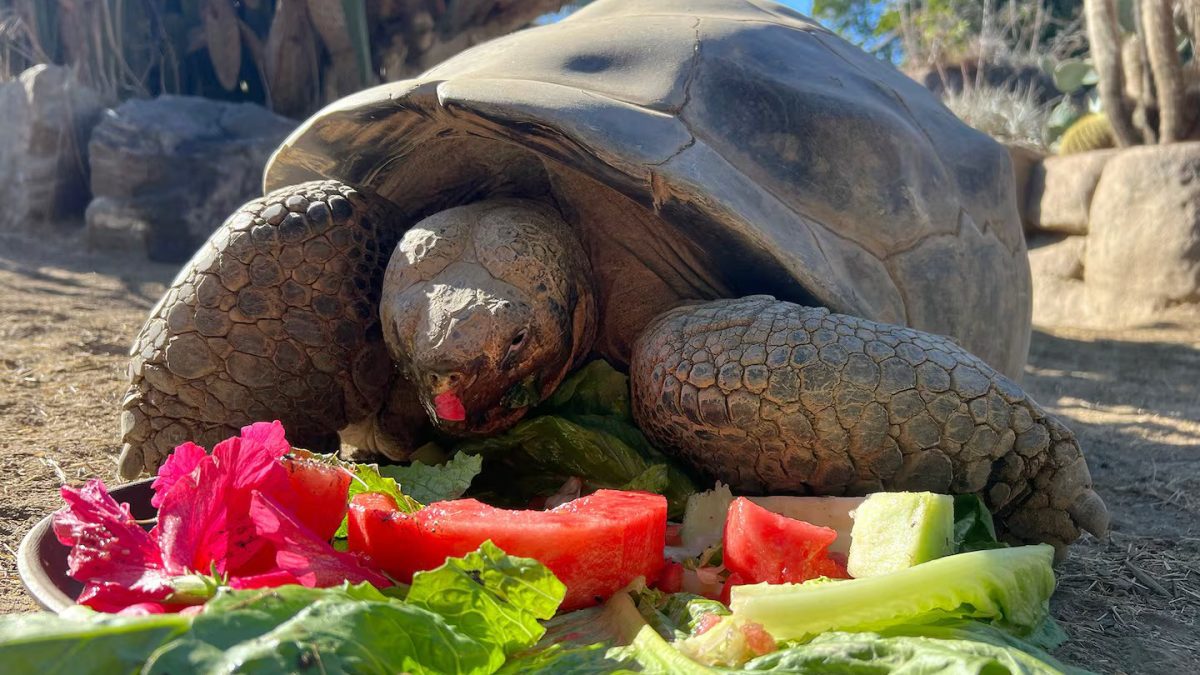
As a tortoise grows, the scutes develop visible rings that can be used to estimate its age in the wild. These rings form over time and can give a general idea of how old the tortoise is, even though they may not always be exact. They are still useful for studying the life and growth of tortoises. Growth rings around scutes can be counted to determine the approximate age of wild tortoises.
Shell colour and environment
Tortoises also show differences in shell colour depending on the climate of the places they come from. Those that live in hot regions usually have lighter-colored shells, which help reflect heat and keep their bodies cooler. In contrast, tortoises from cooler areas often have darker shells that absorb more heat.
The lighter the shell, the warmer the origin. For example, the light tan sulcata tortoise comes from the southern part of the Sahara Desert, where temperatures are very high. Its lighter shell is an adaptation that helps it survive in such harsh conditions by reducing heat absorption.
Breathing and survival traits
Another surprising fact is that tortoises cannot swim, even though some people assume they can because of their reptile nature. Despite this, they are able to hold their breath for a long time, which helps them stay safe when they feel threatened or need to hide.
They are also very tolerant of carbon dioxide, which allows them to stay without fresh air for longer periods. Before pulling into their shells, tortoises must empty their lungs, which is why they often make a hissing or exhaling sound when startled.
Growth and identifying sex
Tortoises do not reach maturity based on age but instead based on their size, which can vary depending on the breed. This makes it difficult to tell whether a tortoise is male or female when it is still young. Physical differences only become clear once the tortoise grows to a certain size.
One of the easiest ways to tell the difference is by looking at the plastron. Females usually have a flatter plastron, while males have a curved one that helps during mating. Males also tend to be larger and have longer tails compared to females.
In some cases, males will show their private parts while soaking, making identification easier over time. Females can also lay eggs even without mating, which is another interesting trait that surprises many tortoise owners.