Lillian Ng’ang’a: People who thrive on bullying others online will soon be jobless
By Paulette Mboga, October 22, 2025Social media personality Lillian Nganga has reacted strongly to the enforcement of the new Computer Misuse and Cybercrimes (Amendment) Act, 2024, warning online bullies that their time is up.
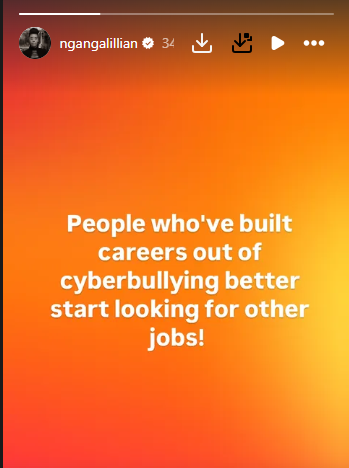
In a statement shared online on Wednesday, October 22, 2025, Lillian said the new law should serve as a wake-up call to those who have made insulting and demeaning others on the internet their daily job.
“People who’ve built careers out of cyberbullying better start looking for other jobs,” she said.
Her remarks come at a time when the new Cybercrimes Act is generating widespread debate across Kenya, with some supporting it as necessary to protect victims of online harassment, while others believe it poses a threat to freedom of speech.
The law, signed by President William Ruto on October 15, 2025, introduces stricter penalties for online behaviour considered harmful.
The new cybercrime law explained
The amended Section 27 of the Computer Misuse and Cybercrimes Act now defines cyber harassment as any online post — including a tweet, comment, video, blog post, meme, or even a private message — that causes serious emotional distress, mental harm, or could make someone contemplate suicide.
Anyone found guilty of such acts can face charges even if they used an anonymous account. The National Computer and Cybercrimes Coordination Committee (NCCCC) has also been given expanded powers to block websites or social media pages without first seeking court approval.
Police officers can now make arrests based on the committee’s directives before the accused appears in court.
The amendment has sharply divided public opinion. Supporters of the law, including several public figures like Lillian Nganga, argue that it will bring accountability to online spaces that have long been plagued by harassment and defamation.
They believe it will protect individuals, especially women and public figures, from the toxic culture of insults and cyberbullying.
However, critics, including activists, say the law could be misused to silence dissent and stifle free expression.
Human rights groups have warned that vague definitions within the Act could make even legitimate criticism a criminal offence.
Lillian Ng’anga’s statement reflects growing support from those who see the new Act as a long-overdue step toward curbing online abuse and restoring civility in Kenya’s digital spaces.