Julio Supercharge recalls neighbours warning kids not to play with him after losing sight
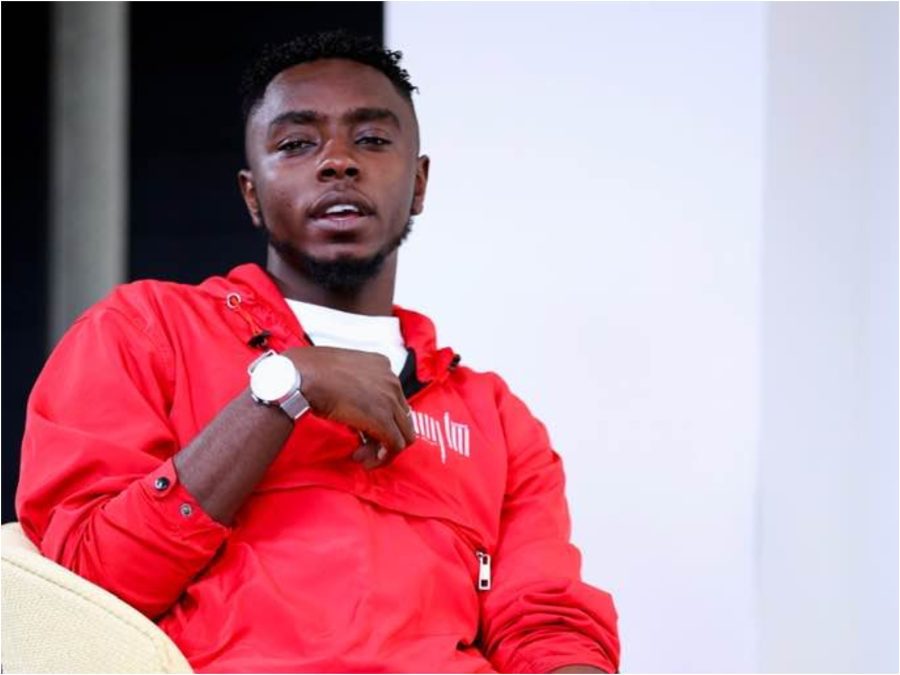
By Valerian Khakayi, September 15, 2025Visually impaired digital content creator and advocate Julius Mbura, widely known as Julio Supercharge, has opened up about the stigma and rejection he faced after losing his sight for the first time at a young age.
In a candid, exclusive interview with K24 Digital, Julio revealed that he was not born blind. But at just 10 years old, his life changed when his vision faded, turning what should have been a childhood full of dreams and play into painful experiences of stigma and rejection from some people around him.
Stigma and isolation
He said the change exposed him to isolation, recalling that neighbours warned their children, once his playmates, not to play with him simply because he was visually impaired.
The pain ran so deep that he felt like he did not want to exist, certain that losing his sight as a child had destroyed his dreams and his future.
“When I came home for the holidays, I’d hear neighbours telling their kids not to play with me just because I was blind. That hurt deeply. I felt like I didn’t want to exist. At that young age, I believed every dream I had was tied to my sight, so losing it meant losing my future,” Julio revealed.
Shattered dreams
In addition, Julio disclosed how he thought his dreams were shattered after his vision faded. He says he felt hopeless about the future and believed it was the end of his life.
The multitalented digital content creator further explained that, at that age, many of his dreams were shaped by the people around him and the media, and being taken to a school for the visually impaired made him feel he had lost the future he had envisioned.
“After losing my sight the first time, my outlook became very dark. I thought that was the end of my life. At only 10 years old, I already had so many dreams, shaped by the people I saw around me and what I consumed in media and literature, “Julio narrated.
“When I lost my sight, I felt everything was over. I thought I’d never have a normal life again. Going blind and being taken to a school for the blind felt like the end of everything I had envisioned for my future.”
Acceptance
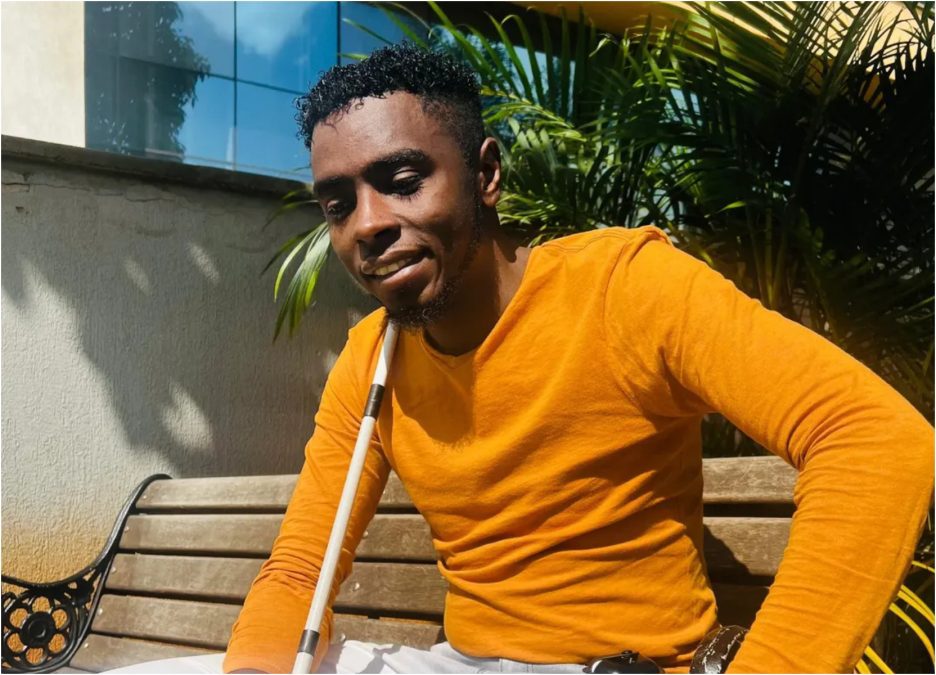
Reflecting on his journey, Julio said acceptance of his condition came gradually and not through a single turning point.
He explained that after a year and a half of blindness, he began regaining his sight gradually, which gave him hope and made him believe he could still lead a fulfilling life.
“Acceptance came gradually; there wasn’t one turning point. After a year and a half of being blind, I began regaining my sight bit by bit. That gave me hope again and made me believe I could still have a fulfilling life,” he revealed.
The trained lawyer, who had initially regained some of his sight, lost it completely three weeks before his bar exams, added that full acceptance came later, with maturity and broader interactions at the university.
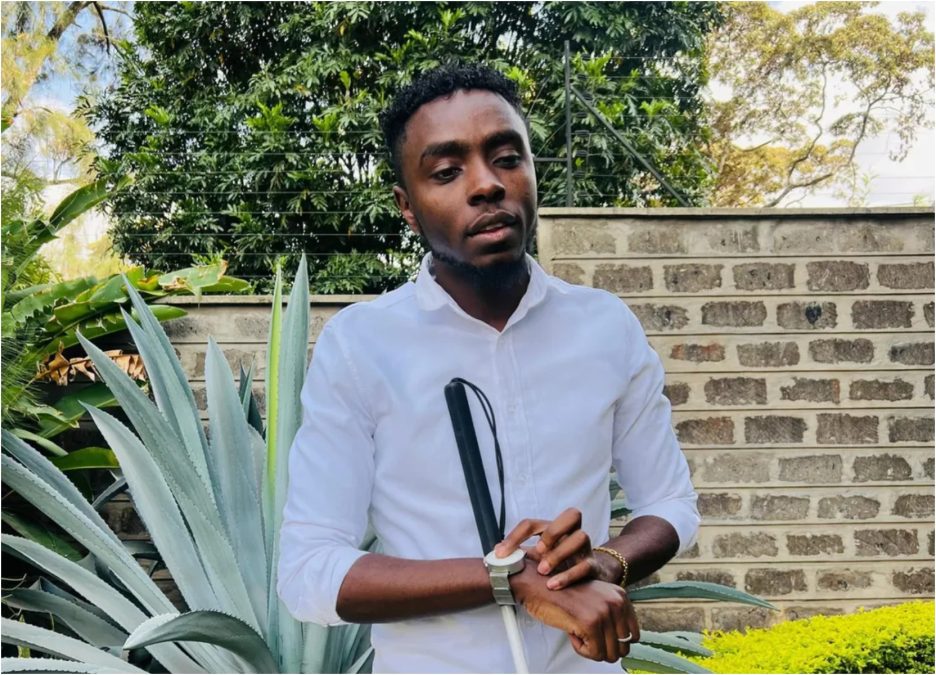
He further explained that being the only blind student in a class of 300 students exposed him to rejection, discrimination, and stigma, but he realised he needed to embrace who he was.
“Full acceptance came later, with maturity and interactions, especially at university. In primary and high school, I had only been in schools for the blind, which limited my exposure. But in university, I was in a class of 300, the only blind person, in fact, the only person with any disability. That threw me into the deep end: rejection, discrimination, stigma. I realised it was up to me to embrace who I am. This is my disability, my life. If people couldn’t accept it, that was their problem, not mine,” he added.
“So I worked on my self-esteem, my confidence, and my attitude toward life. I also learned that accessibility and equality for persons with disabilities require many advocates to move the needle. But first, I needed to be okay with myself.”