Which health conditions are considered emergencies on SHA cover?
By Nancy Marende, November 11, 2025Health emergencies can strike at any time, and having insurance coverage like the Social Health Authority (SHA) can make all the difference in saving lives and reducing medical costs.
SHA covers a wide range of medical emergencies that require immediate attention to prevent severe harm or loss of life. Understanding which conditions qualify as emergencies helps beneficiaries know when and how to seek urgent medical help.
Also watch: SHA seeks to double cancer cover limit to Ksh1 million
Below are the main health conditions considered emergencies under SHA cover.
1. Heart attacks
A heart attack occurs when blood flow to the heart is suddenly blocked, leading to damage to the heart muscle.
Common symptoms include chest pain, shortness of breath, sweating, and dizziness.
Because every second counts, SHA classifies heart attacks as medical emergencies.
Treatment may include medication, oxygen therapy, or emergency procedures such as angioplasty or surgery. Immediate care under SHA ensures timely intervention to save the patient’s life and minimise long-term damage.
Also watch: SHA warns Kenyans against fraudsters impersonating officials
2. Strokes
A stroke happens when the blood supply to part of the brain is interrupted or reduced, depriving brain tissue of oxygen and nutrients. Symptoms include sudden numbness, slurred speech, confusion, and loss of coordination.
SHA covers emergency treatment for strokes, including hospitalisation, brain scans, and medication to restore blood flow. Early medical intervention is critical to prevent permanent brain damage or disability.
3. Severe accidents or major trauma
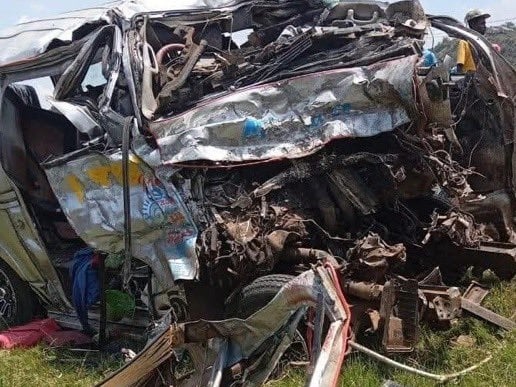
Accidents such as road crashes, falls, or burns can cause life-threatening injuries. Major trauma may include broken bones, internal bleeding, or head injuries. SHA covers emergency stabilisation, surgery, and intensive care for such patients.
This ensures victims receive immediate medical attention at the nearest accredited facility before being referred to specialised hospitals if necessary.
4. Pregnancy complications
Pregnancy-related emergencies can occur suddenly, endangering both mother and child. SHA recognises conditions such as preeclampsia, severe abdominal pain, prolonged labour, and heavy bleeding during or after childbirth as emergencies.
The cover provides for emergency obstetric care, including cesarean sections, blood transfusions, and neonatal care, ensuring safe delivery and postnatal management.
5. Heavy bleeding
Uncontrolled or heavy bleeding, whether caused by injuries, surgery, or medical conditions like ulcers, can lead to shock or death if untreated. SHA covers emergency care to control bleeding through transfusions, surgical procedures, or medication.
Timely treatment under the cover helps stabilise the patient and prevent complications.
Also watch: Govt warns of 2% penalty for delay in remitting SHA premiums
6. Seizures
Seizures, especially when prolonged or occurring in individuals without a known history of epilepsy, are medical emergencies. SHA covers the emergency management of seizures, including diagnostic tests, medication, and supportive care to prevent brain injury or respiratory distress.
7. Difficulty breathing
Severe breathing difficulties can be caused by asthma attacks, allergic reactions, pneumonia, or heart failure. SHA considers such cases emergencies requiring immediate oxygen therapy, medication, or intensive care. Patients are stabilised before further evaluation or referral.
8. Loss of consciousness
Sudden loss of consciousness may result from a stroke, head injury, cardiac arrest, or low blood sugar. Under SHA, such cases are treated as emergencies requiring prompt medical evaluation and resuscitation to restore normal body functions.