Senator Nyutu: Dialogue table should have highest representation of young people
By Steve Ireri, July 9, 2025Murang’a County Senator Joe Nyutu has warned that ongoing efforts to engage young people in national conversations risk falling flat if leaders approach such dialogues with assumptions instead of honest listening and trust.
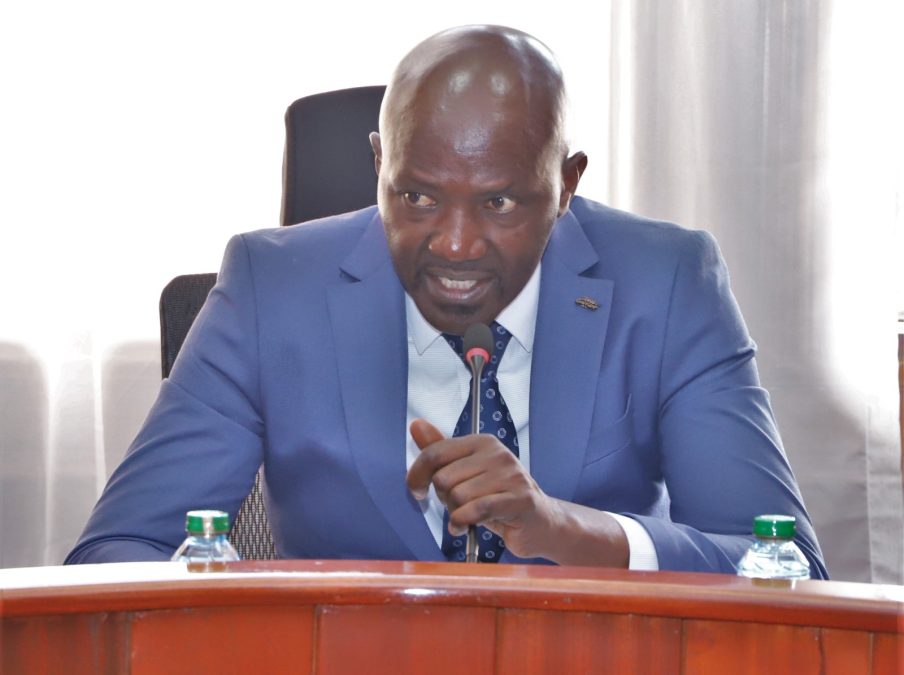
Speaking during an interview with a local TV station on Wednesday, July 9, 2025, on the direction national dialogue must take, Nyutu dismissed the notion that the country has already heard enough about the challenges facing the youth.
He argued that true solutions will only emerge when leaders stop speaking on behalf of young people and instead sit down with them sincerely, creating room for open and psychologically safe conversations.
“You cannot say that people have talked many times before and that we already know the problems that bedevil our society and our youth,” he said, firmly pushing back against the narrative that previous forums had already addressed the youth agenda.
Referencing politician-turned-civic advocate Justina Wamae, the senator also spoke on the belief that Kenya is no longer dealing with a population that thinks like that of the 1990s.
He noted that the youth today are more aware and more vocal and demand authentic engagement, not tokenistic gestures or pre-scripted solutions.
Senator Nyutu underscored the often-overlooked psychological power of dialogue, insisting that when young people are given a platform where they feel seen and respected, they begin to express themselves more truthfully and constructively.
“There are things that are timeless. Psychology is one of them. When you sit down with someone, there is that psychological effect they feel—and they will open up more, and there will be trust in both parties,” he said.
He explained that the emotional atmosphere of a genuine conversation is what determines whether people will contribute honestly or withdraw silently.
The senator added that the process of finding solutions must be treated as a journey, not a one-day event, emphasising that only sustained, trust-based dialogue will uncover the core of what truly ails Kenya’s younger population.
“The solutions to these problems will not be done overnight. When we sit down, we will be able to talk about some of the key issues and problems,” he said.
Sidelining youth
Senator Nyutu further expressed concern over the historical sidelining of young people in national discussions, stating that many previous panels were composed entirely of older individuals who lacked lived experience of the present youth reality.
He said that if current dialogue processes are to make any real difference, the voices of young people must not only be heard but also be given meaningful space at the decision-making table.
“I do not remember any dialogue in this country that had young people in the panel or in the composition of the panellists. So this one would be very different. We should have on that dialogue table the highest representation of young people,” Nyutu said.
He also urged the country not to lose sight of what truly makes dialogue powerful—not the microphones, the stages, or the media coverage—but the emotional and psychological shift that occurs when those being spoken to feel genuinely listened to.
“I do not want us to lose the point that dialogue has a psychological effect,” he said.