Advertisement
Senator Maanzo explains why fight against corruption at county level is ineffective
13th August, 2025 08:26 AM
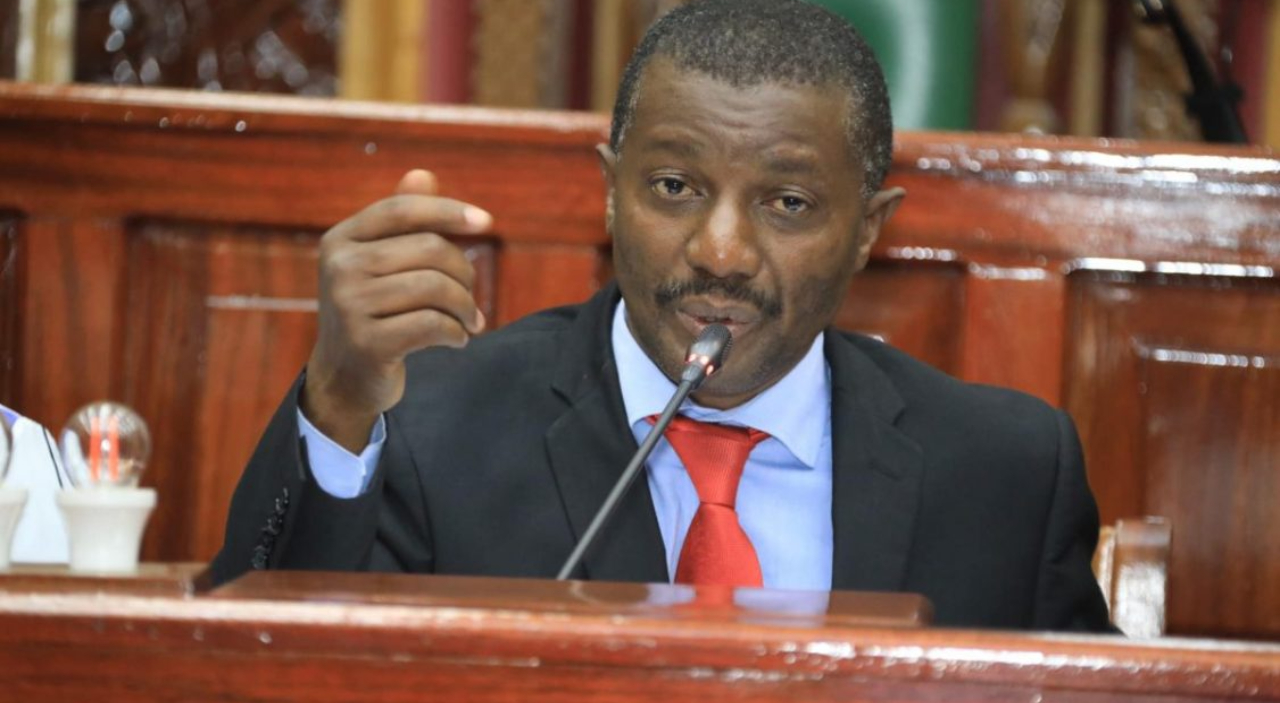
Makueni County Senator Dan Maanzo has criticised the effectiveness of the fight against corruption at the county level, saying the vice was devolved alongside governance.
Speaking in a TV interview on Tuesday, August 13, 2025, Maanzo expressed concern that corruption has become entrenched in devolved units, making it just as difficult to tackle as it is in the national government.
“Corruption was devolved, so the fight against it is not effective at the county level,” Maanzo said.
He argued that without stronger systems, oversight, and accountability measures, county governments risk repeating the same mistakes that have plagued national institutions for decades.
Maanzo’s sentiments were echoed by Murang’a’s Deputy Governor, Stephen Munania, who emphasised that corruption is not confined to one level of government but is a deeply rooted national challenge.
“Corruption has been a consistent problem across this country, in both the national government and the devolved systems, since the inception of our administration,” Munania said.
“It has long been a major obstacle to development and good governance.”
Countrywide challenge
Both leaders highlighted the need for comprehensive anti-corruption strategies that target all levels of government. They noted that while devolution was intended to bring resources and services closer to the people, it has also created new opportunities for mismanagement and misuse of public funds.
The leaders urged agencies such as the Ethics and Anti-Corruption Commission (EACC) to intensify their work at the county level and ensure that political considerations do not influence investigations and prosecutions. They also called for improved transparency in budget allocation, procurement processes, and implementation of development projects in the counties.
Maanzo pointed out that corruption not only undermines service delivery but also erodes public trust in leadership, further widening the gap between the government and citizens. Munania added that tackling the vice requires a unified approach, with both levels of government and the public working together to demand accountability.
Kenya’s devolution system, established by the 2010 Constitution, was hailed as a transformative governance model designed to promote equitable development. However, critics have consistently warned that without proper checks and balances, county governments risk becoming mini-centres of corruption.