Raila’s daring political moments: From resigning as an MP to swearing in as people’s president
By Aloys Michael, October 15, 2025It was a bold and historic moment that captured the attention of the world and shook the foundations of Kenya’s political landscape.
On January 30, 2018, Raila Odinga, Kenya’s long-time opposition leader, stood at Uhuru Park in Nairobi and declared himself the “People’s President.”
Holding a Bible in his right hand and speaking to thousands of cheering supporters, Raila took an oath of allegiance, not backed by the state, but by the people he said had been robbed of their democratic voice.
The controversial swearing-in came just three months after former President Uhuru Kenyatta had officially been sworn in for a second term following a disputed election rerun.
Odinga’s move was widely seen as symbolic but powerful, a protest against what he and his National Super Alliance (NASA) coalition called a stolen presidency.
2017 disputed polls
The general elections were marred by controversy from the start. The initial vote, held on August 8, 2017, saw former President Kenyatta declared the winner.
But Raila challenged the results in court, and in a historic ruling, the Supreme Court annulled the election, citing massive irregularities and illegalities in the process.
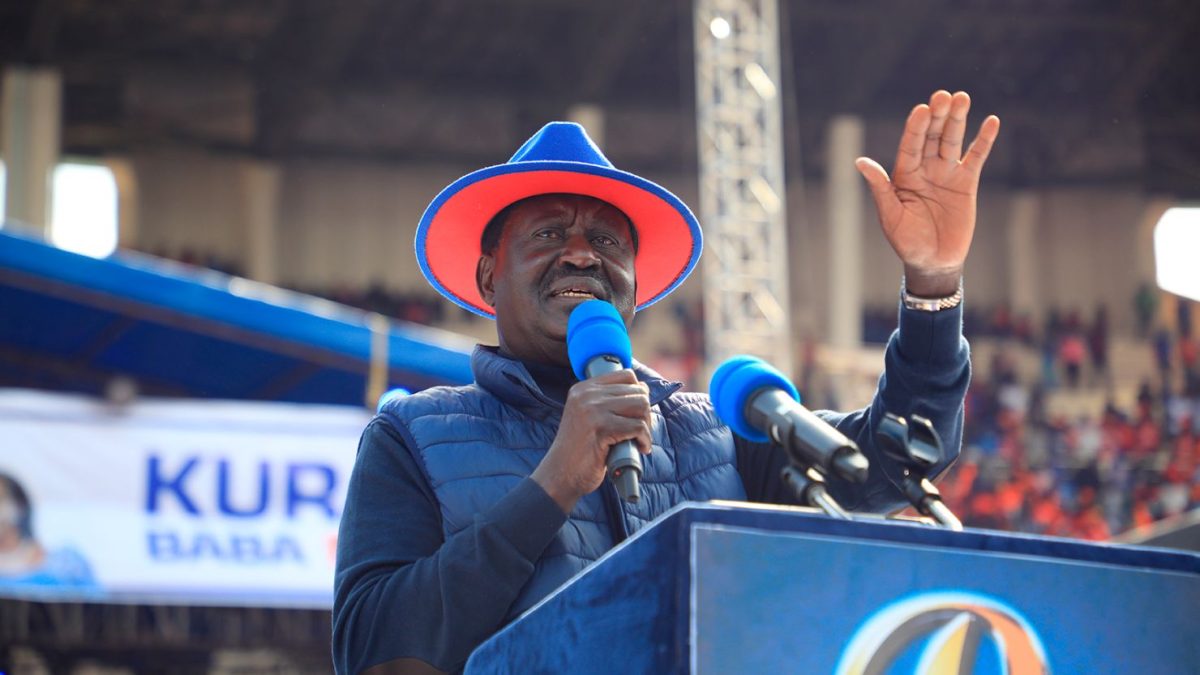
A repeat election was set for October, but he and NASA withdrew, citing failure by the Independent Electoral and Boundaries Commission (IEBC) to implement meaningful reforms. The rerun proceeded without him, and Kenyatta won with over 98 per cent of the vote in an election with just 39 per cent turnout.
The opposition claimed the result was illegitimate. Tension filled the air. And Odinga promised action.
Also watch: Former IEBC commissioners claim that the National Security Advisory Council wanted Raila sworn in.
The swearing-in and backlash
Despite government warnings and heavy police presence, thousands gathered at Uhuru Park on the morning of January 30, 2018.
As helicopters hovered above, Raila walked onto the podium, flanked by a few opposition leaders.
He was expected to be joined by NASA co-principals Kalonzo Musyoka, Musalia Mudavadi, and Moses Wetangula. None of them appeared, a move that would later raise eyebrows.
At 1:20 p.m., Odinga raised his right hand, held a Bible, and took the oath:
“I, Raila Amolo Odinga, in full realisation of the high calling I assume as the People’s President of the Republic of Kenya, do swear…”
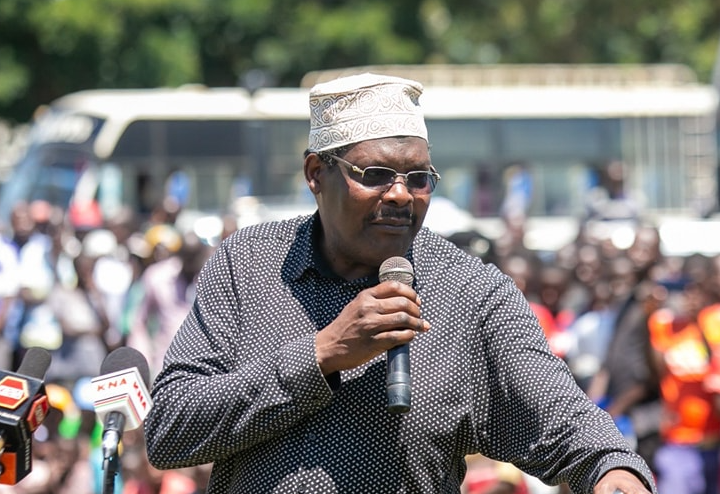
He said that Kenyans had had enough of rigged elections and that the oath was a step towards restoring electoral justice and real democracy in the country.
Immediately after the ceremony, the government declared the event illegal, branding it treasonous. There were fears of arrests, violence, or even a government crackdown.
Miguna Miguna, one of Raila’s allies who played a role in the swearing-in, was arrested, deported, and remained locked in legal battles for years.
However, Raila himself was not arrested.
Raila’s handshake king
Months later, in March 2018, came the unexpected handshake between Raila and Uhuru, a move that stunned the nation.
The two rivals publicly reconciled and committed to a shared path toward national unity, setting the stage for the Building Bridges Initiative (BBI).
History maker
In 1994, he made history by becoming the only sitting MP in Kenya to resign from his party, Ford Kenya, and seek re-election under another party, the National Development Party (NDP).
He won back his Lang’ata seat with a landslide, proving his strong grassroots appeal and political resilience.
Over the decades, Raila Odinga defined himself not just as a politician but as a movement. Whether as a freedom fighter, reform crusader, or protest leader, his political life has been marked by unforgettable, often risky, moments.