NCIC is failing Gen Zs by letting politicians spew hate without consequence
By Aloys Michael, August 17, 2025In an era where Gen Z demands accountability, truth, and justice, the National Cohesion and Integration Commission (NCIC) has become a glaring disappointment.
Formed to prevent ethnic hatred and promote national unity in Kenya, the NCIC is increasingly viewed not as a pillar of justice but as a toothless institution, selective in its enforcement and blind to the very rot it was created to weed out. Today, Gen Z is calling it out for exactly that.
Every election cycle, every national crisis, and every political upheaval is accompanied by hate-laced rhetoric from the usual suspects in the political class. Their words divide, incite, and fuel tribalism, yet there are rarely any real consequences.
The NCIC, tasked with investigating and prosecuting hate speech, seems more inclined to issue press statements than take firm action. This performative justice does not fool anyone, especially not Gen Z, a generation tired of selective justice and cosmetic accountability.
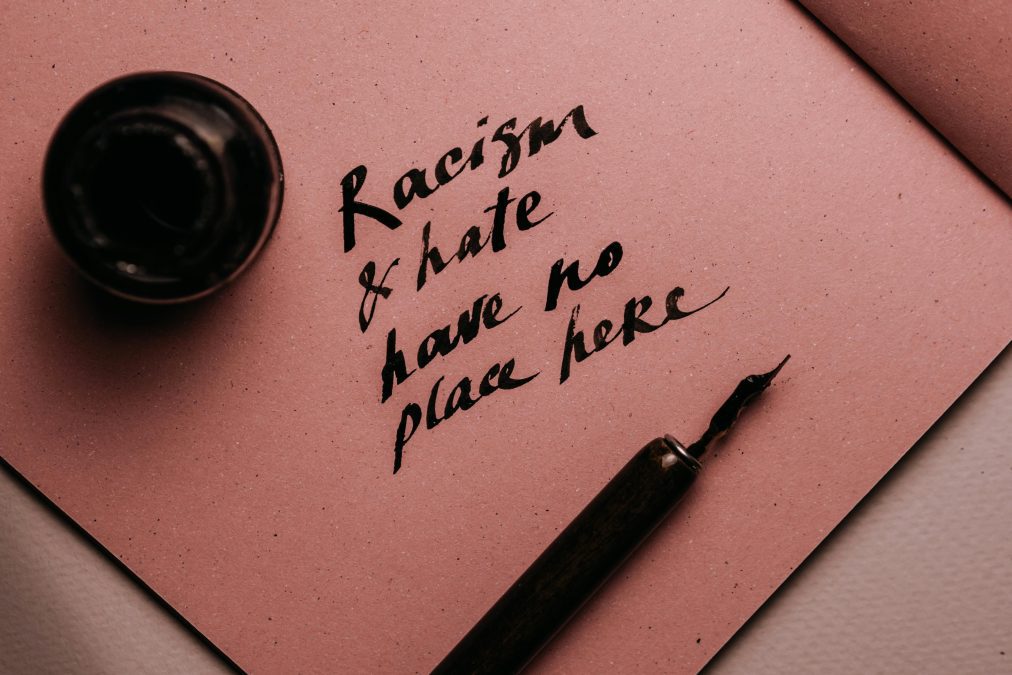
No one is above the law. That is the principle upon which any just society must be built. But what we are seeing in Kenya today, especially from our leaders, is anything but justice. Politicians use their platforms to insult communities, spread ethnic fear, and deepen divisions.
Yet when ordinary Kenyans speak out online, even if they are simply angry or frustrated, they are swiftly tracked, summoned, and punished. Why the double standard? Why is the NCIC so quick to act against youth, students, or activists on X but hopelessly slow when it comes to well-connected politicians?
What the political class is doing is not politics. It’s not freedom of speech. It is not leadership. It is bad manners, plain and simple. It is a grotesque display of impunity that has infected our national discourse. And the NCIC, whether by design or dysfunction, is enabling it. A society where politicians can say anything and walk away unscathed while hiding behind party colours or wealth is not a cohesive society; it is a failed one.
Worse still, this failure is teaching the next generation that ethics does not matter; only power does. The louder and more divisive you are, the more attention you get. That you can insult entire communities, call for violence, or weaponise identity politics and still appear on national TV the next day. The signal being sent to Gen Z is that the law is not a shield for all but a sword wielded selectively against the weak, the poor, or the politically unaffiliated.

Disband NCIC?
Gen Z is not asking for perfection. But it is demanding fairness. And it is not alone. Across the country, there is a growing frustration with institutions that were created to serve the people but now seem to serve only power. The NCIC, despite its potential, is slowly proving to be one of them. If it continues to act like a spectator instead of a watchdog, the calls to disband it will only grow louder.
Many Kenyans, including those of us in Gen Z, do not want to see the NCIC disbanded. At its core, the idea behind it is noble and necessary. However, an institution that fails to act on its mandate is worse than useless; it gives false hope, offers a false sense of order, and in the end, perpetuates the very division it claims to combat.
Selective justice is injustice. If the NCIC truly wants to be relevant to Gen Z and to this country’s future, it must act boldly and impartially. It must go after hate, not hashtags. It must protect unity, not privilege. And it must stop being afraid of power, because power unchecked is what has gotten us here in the first place.
Kenya deserves better. Gen Z demands better. And if the NCIC will not be part of the solution, it risks becoming part of the problem.