MPs question govt over lack of transparency in KPC privatisation
By William Muthama, August 12, 2025Members of Parliament raised serious concerns over the government’s plan to privatise the Kenya Pipeline Company (KPC), criticising what they described as a lack of transparency in the process.
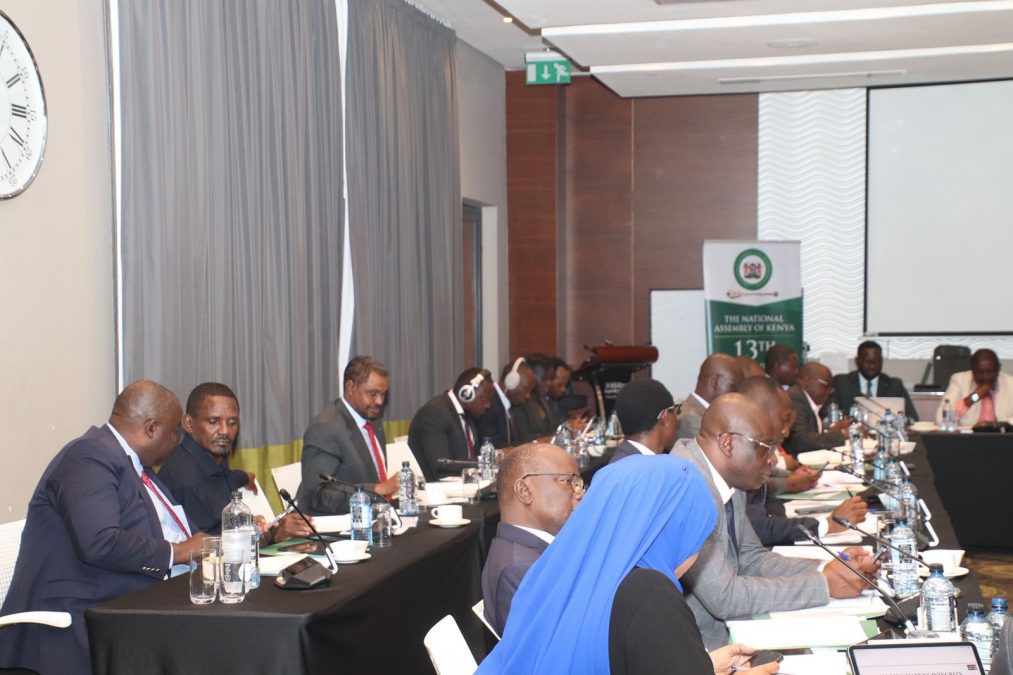
The Joint Committee on Energy and the Committee on Public Debt and Privatisation, co-chaired by Nakuru East MP David Gikaria and MP Abdi Shurie, met on Tuesday, 12 August 2025, to discuss the decision to sell a majority stake in KPC despite steady profit growth in recent years.
Under the proposed plan, the National Treasury intends to retain a 35% stake while offering 65% of shares to the public through the Nairobi Securities Exchange.
Process under scrutiny
Lawmakers accused the Treasury of conducting an opaque process, pointing out that the committee has yet to receive a valuation report for the company.
“You cannot sell something that you do not even know its value,” said Aden Daudi, emphasising the need for a comprehensive and public valuation to establish KPC’s true worth.
Job security concerns
Members also voiced concerns about the future of KPC employees, fearing privatisation could lead to restructuring and job losses.
Cabinet Secretary for Energy and Petroleum, Opiyo Wandayi, assured the committee that employee welfare is protected under existing laws.

“We do not foresee any job losses or any restructuring to the current job structures at KPC,” he said.
Despite these assurances, Elisha Odhiambo claimed many employees are anxious but hesitant to speak out due to fear of victimisation.
“Most KPC employees are afraid to speak openly, but the true position is that they are distressed by the proposal,” he said.
The parliamentary committees are expected to meet again with the National Treasury and the Attorney General’s office before making their final recommendations on the privatisation plan.