Advertisement
MP Okello: NACADA is solving a societal crisis, not destroying businesses
31st July, 2025 09:59 AM
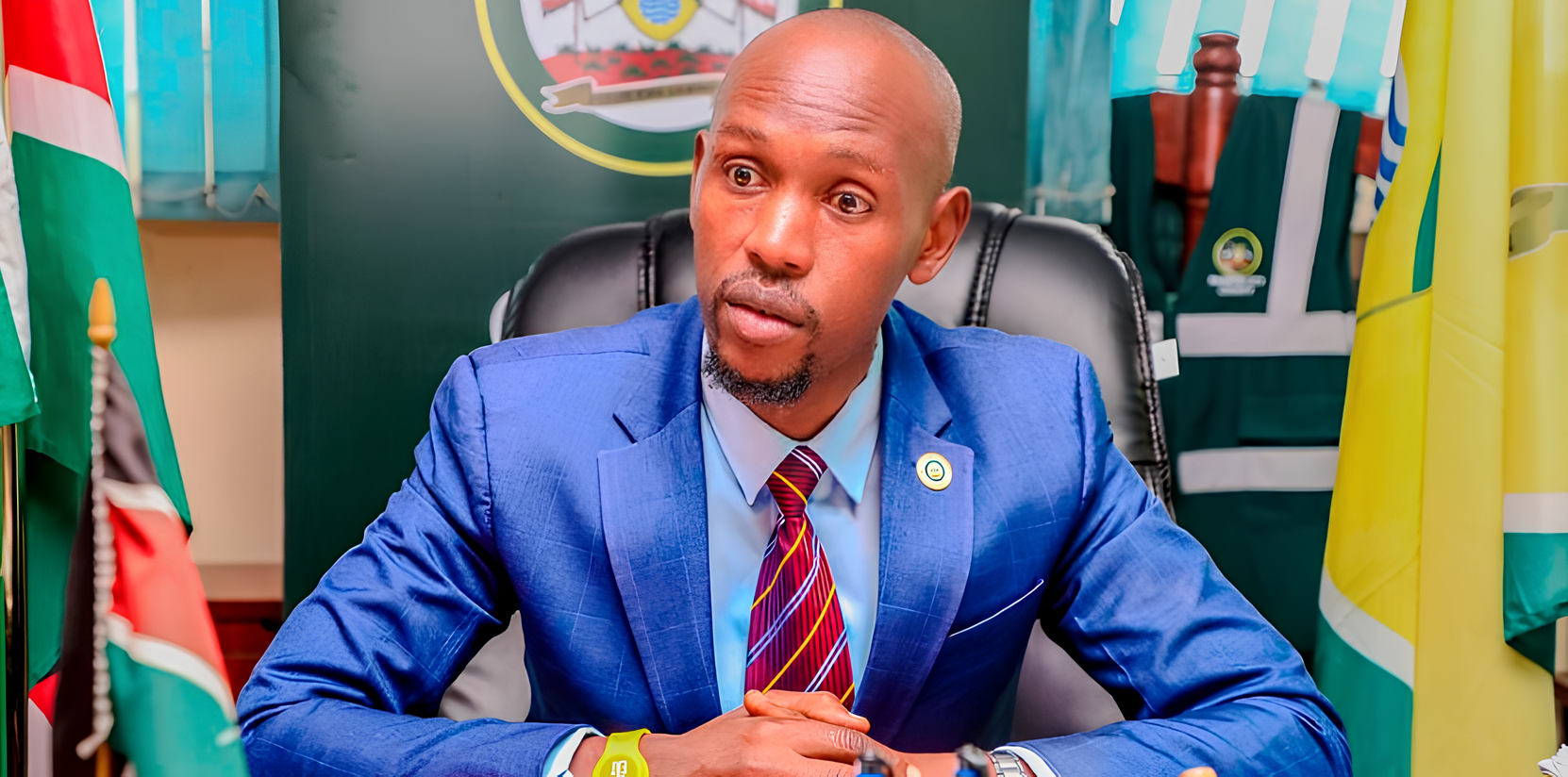
Nyando Member of Parliament Jared Okello has defended NACADA’s controversial crackdown on alcoholic drinks, saying the agency’s intent is not to dismantle the alcohol industry but to address a growing societal crisis that has left many young Kenyans battling addiction.
Speaking during an interview at a local TV station on Thursday, July 31, 2025, the MP argued that the public outrage surrounding NACADA’s directive stems from the way it was communicated, not necessarily its intent.
He maintained that Kenya is facing a national emergency with widespread alcohol and substance abuse, and state agencies cannot afford to sit back and watch society crumble.
“NACADA is trying to solve a societal problem, not destroy businesses. We are facing a serious wave of alcoholism, stress, and dependency, especially among our youth. Rehabilitation centres are mushrooming across the country. These rules are meant to protect the public, not to kill industries,” he said.
Okello further cautioned that while the proposals may be well-intended, their implementation must follow the law.
He said that any regulation that carries the effect of law must pass through Parliament, which is the only institution constitutionally mandated to legislate.
“Whether it is a regulation or an Act of Parliament, it must come before the House. That is why we have the Delegated Legislation Committee. You cannot allow state agencies to create their own laws and impose them on the public without parliamentary scrutiny and public participation. That is not how we function as a democracy,” he noted.

The legislator emphasised that public participation is a non-negotiable part of the legislative process.
He warned that several laws have already been nullified by courts due to the lack of proper consultation with the public.
“Public participation is not just a checkbox; it is an integral part of our law-making process. Courts have ruled that it must be both quantitative and qualitative. That means you must present actual empirical data on how many people gave input and also demonstrate that the quality of that engagement was meaningful,” he explained.
Okello also drew parallels with previous laws that were initially met with resistance but eventually became part of accepted practice.
He cited the cigarette ban in public spaces as an example of a regulation that was once controversial but ultimately did not destroy the tobacco industry.
“Look at the smoking regulations. At one point, it became illegal to smoke anywhere in public, and many feared that such rules would kill BAT and other cigarette companies. But what happened? Smoking just moved to designated areas. The industry adjusted, and so did the people,” he said.
According to Okello, the current uproar must not overshadow the urgency of the problem NACADA is trying to solve.
He maintained that Parliament must step in to ensure the agency’s actions are properly anchored in law, but the conversation must also include an honest reflection of the country’s substance abuse epidemic.
“We must protect our people. We cannot run away from the fact that alcohol addiction is ruining families and futures. If these regulations can help rescue a generation, let us improve them where necessary, but let us not throw them out altogether,” he added.
Author
Steve Ireri
Steve is a senior writer with over four years of experience in digital journalism. His focus is on the showbiz and human interest stories. Emails: [email protected] , [email protected]
View all posts by Steve Ireri